.png?width=375&height=100&name=WebPage%20logo%20with%20curves%202026%20(8).png)
Electrical Energy & Circuits
"Demonstrate and describe how electrical energy travels in a closed path that can produce light and thermal energy."
💡 What This Standard Actually Means
"Demonstrate and describe". Fourth graders are actually building a circuit, watching it work, and explaining what they see. The standard locks in two big ideas: electrical energy needs a closed path to travel, and that traveling energy can produce light and thermal energy. A bulb in a circuit lights up. A wire in a circuit gets warm. Both are proof that electricity is moving through. If the path is open (broken, missing a piece), no light, no warmth, nothing. Closed path = energy flows. Open path = energy stops.
Electricity is invisible, but the things it does aren't. 4.8C is the standard where 4th graders prove that electrical energy is moving by watching a tiny light bulb come on. The TEKS specifies that the path has to be closed, meaning every piece is connected end-to-end with no gaps. As soon as you open the path even a little, the light goes out. That's the demo students need to see: a working circuit, a broken circuit, and the difference.
The setup is simple. A battery, a small bulb, and a couple of wires. Connect them in a loop so that the energy from the battery has a complete path to the bulb and back. The bulb lights up. That light is one form of energy the circuit produced. If you leave the bulb on for a minute and feel it (carefully), the bulb is also slightly warm. That's thermal energy, the second form the TEKS calls out. Both came from the electrical energy moving through the closed path.
By the end of this unit, kids should be able to build a working circuit, show what happens when the path is closed, and show what happens when they break the path. They should be able to point at the bulb and say "that's light energy from the electricity" and feel the warmth and say "that's thermal energy from the same electricity." They don't need parallel circuits or series circuits at this level. They just need to understand the closed-path rule and the two forms of energy a working circuit produces.
If I were teaching this, I'd resist the urge to jump ahead into "current" and "resistance" because 4th graders glaze over in 30 seconds when those words show up too early. The move I'd lean on is one demo and one demo only on day one: hold up a battery, a wire, and a bulb. Tape them together in front of the class. Bulb lights up. The room cheers. Pull one wire loose. Bulb goes off. The room groans. Closed path on, open path off. That's the whole lesson for day one. THEN let them build their own. The mistake I see most teachers make is trying to teach too much vocabulary at once. The TEKS doesn't ask for it. Just get them building circuits and putting them out with their finger like a magic trick. The light coming on is the lesson. The warmth on the bulb is the bonus. Save series and parallel for middle school.
⚠️ Misconceptions Your Students May Have
These are some of the most common misconceptions. Knowing what to look for can help you get ahead of them.
"A bulb just needs a battery to light up"
A bulb doesn't light up just because you set it next to a battery. The electrical energy has to be able to travel out of the battery, through the bulb, and back to the battery. That's a closed path. If the path is broken anywhere, even by a tiny gap, the bulb won't light. Touching a bulb to a battery on one side won't work. You need a complete loop.
"Electricity gets used up by the bulb"
The electrical energy travels all the way through the closed path. It goes out of the battery, through one wire, into the bulb, out the other side of the bulb, and back to the battery through the other wire. Some of the energy turns into light and some turns into heat at the bulb. But the path itself stays complete. The energy doesn't pile up and stop.
"A circuit only makes light, not heat"
A working circuit produces both light AND thermal energy. The bulb gets warm if you let it run for a minute. Touch the glass carefully and you can feel it. The TEKS specifically calls out both kinds of energy. That warmth is real and it's coming from the electrical energy traveling through the bulb's tiny wire inside.
"Any object can be part of a circuit"
Only certain materials can be part of a closed path. The wires, the battery contacts, and any added piece have to all be conductors. If you put a rubber band, a cardboard strip, or a plastic ruler into your circuit, the energy can't get through and the bulb won't light. Wires, paperclips, and aluminum foil work. Plastic, rubber, and wood don't.
📓 Teaching Resources for 4.8C
These resources are aligned to this standard.


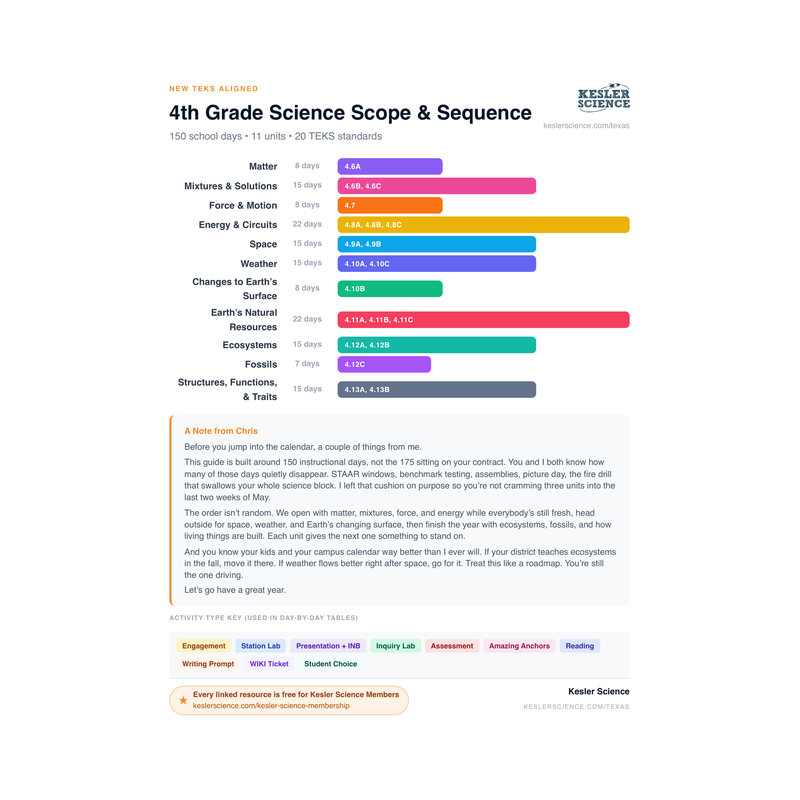
100% Aligned Lessons for Every TEKS You Teach
Kesler Science Plus puts thousands of ready-to-teach lessons and activities in your hands, so you can boost engagement and get your planning time back. Trusted by schools and districts all over the great state of Texas.
🌎 Phenomenon Ideas for 4.8C
Use these real-world phenomena to anchor your lesson. Show students the phenomenon first, let them wonder, then build toward Electrical Energy & Circuits as the explanation.
The On-Off-On Demo
Build a simple circuit at the front of the room with a battery, a bulb, and two wires. The bulb lights up. Pull one wire loose. The bulb goes dark. Push it back. The bulb lights again. Pull the other wire loose. Dark again. Snap, snap, snap. Kids see right away that the only thing that matters is whether the loop is complete.
"Why does the bulb only light when both wires are connected? What does that tell us about how electricity has to travel?"
The Warm Bulb
Build a circuit and let it run for two full minutes. Then carefully touch the glass of the bulb (not the metal base, not the wire) with the back of your hand. It's warm. Then unhook the wire so the circuit goes dark. Wait another minute. Touch the bulb again. It's cool now. The bulb only gets warm when the circuit is closed and energy is flowing.
"The bulb made light when it was on. It also got warm. What two kinds of energy did the electricity produce? Where did the energy go when the wire was disconnected?"
Make a Living Circuit
Lay all the parts on a tray: battery, bulb in a holder, two alligator clips, paperclip. Tell the kids you're going to build a circuit by connecting things one at a time. Connect the first wire. Bulb stays dark. Connect the second wire to the bulb but not the battery. Bulb stays dark. Touch the second wire to the battery. The bulb instantly lights. The exact moment the path closes is the moment the bulb turns on.
"What was the very last connection that made everything work? Why did the bulb wait until that exact moment to light up?"
💡 Free Engagement Ideas for 4.8C
Ready-to-run activities you can drop straight into a lesson. Where one of these looks like a phenomenon from the section above, that is on purpose: show it first as the hook, then let students run it themselves.
Build-a-Circuit Lab
Each pair of students gets a battery (D cell with a holder), a bulb in a holder, two alligator clip wires, and a "switch" made from a paperclip and brass fasteners on a piece of cardboard. They build a working circuit, light the bulb, then "switch" it off by lifting the paperclip. They draw their circuit and label each part. Every kid in the class lights a bulb at least once.
Open vs. Closed Sort
Print 12 circuit diagrams: half are closed (complete loops) and half are open (with a gap somewhere). Kids sort the diagrams into two piles: "Bulb lights" and "Bulb stays dark." For each one, they circle the gap if they spot one. Great post-lab activity for kids who learn from looking at pictures.
What Will Light the Bulb? Test Stations
Set up a working battery-and-bulb circuit with a gap. At each table, kids test five different materials by trying to close the gap with each one. Materials should include: paperclip, aluminum foil, copper wire, plastic spoon, rubber band, pencil eraser, key. They record yes/no on a chart. This combines circuits with the conductor/insulator idea from 4.8B.
Energy Output Notebook
After the lab, every kid draws a diagram of their working circuit. Around the bulb, they draw two arrows: one labeled "light energy" pointing to a sun symbol, and one labeled "thermal energy" pointing to a fire symbol. Underneath, they write a sentence that uses the words "closed path," "light," and "thermal" to describe what their circuit did. The diagram is the demonstration. The sentence is the description. Both verbs from the standard, in one notebook page.
🎯 What Approaches, Meets, and Masters Thinking Look Like
Here is what student thinking at each level looks like on this one task, so you know what to look for and how to move a student up.
A student builds a circuit with one battery, two wires, and a small light bulb. The bulb lights up. Then the student takes one wire off the battery, and the bulb goes dark. Draw both circuits. Then explain why the bulb lit up the first time and why it went dark the second time.
- Two drawings: one circuit that makes a full loop, and one with a wire missing so the loop is broken.
- The lit circuit shown as a closed path: battery, wire, bulb, and wire all connected end to end.
- The dark circuit shown with a gap where the wire came off.
- An explanation that uses the idea of a closed path (a complete loop) for the bulb that lit up.
- An explanation that the broken loop stopped the energy from getting through, so the bulb went dark.
- Some mention that the lit bulb makes light energy (and warmth, if they noticed it).
- The dark-bulb explanation handled correctly: the energy stopped because the path was broken, not because the battery "ran out" or "got used up." That is the easiest place to slip.
The bulb lit up because it had a battery. The battery gives it power. When you take the wire off, the bulb is too far from the battery to get power, so it goes dark.
The bulb lit up because the wires made a closed path. The energy could go all the way out of the battery, through the bulb, and back to the battery. That made a complete loop. The bulb made light energy. When I took one wire off, the path was broken. There was a gap, so the energy could not make it all the way around. That is why the bulb went dark. It was an open path.
The bulb lit up because the wires made one complete loop, so the energy could travel out of the battery, through the bulb, and back again. As it went through the bulb, some of the energy turned into light energy and some turned into heat, so the bulb got a little warm. When I took a wire off, the loop had a gap. The energy could not finish the trip back to the battery, so nothing got through and the bulb went dark.
This is the same reason a flashlight has a switch. When the switch is on, it connects the loop and the light comes on. When the switch is off, it leaves a little gap in the path, just like pulling my wire off, so the flashlight goes dark even though the batteries are still full.
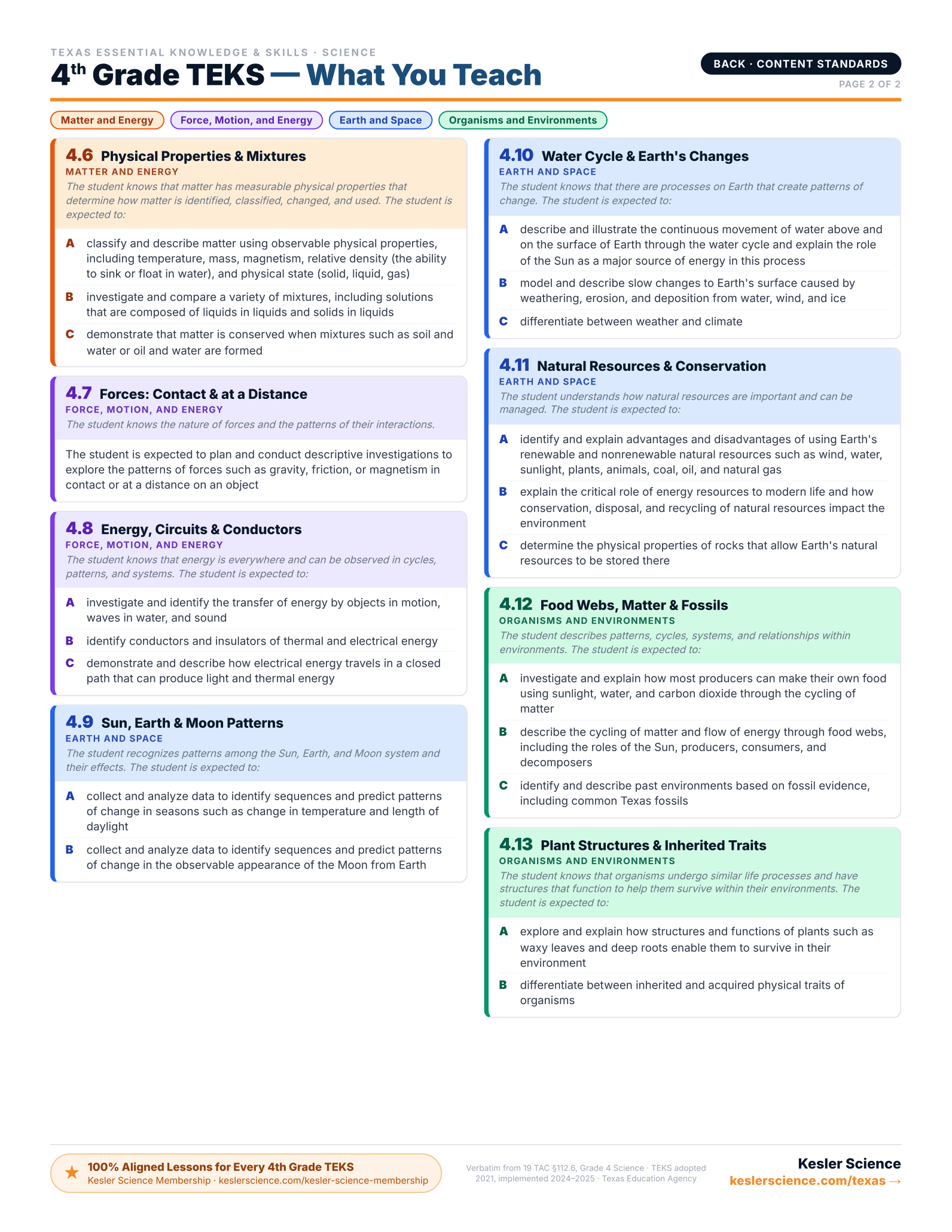
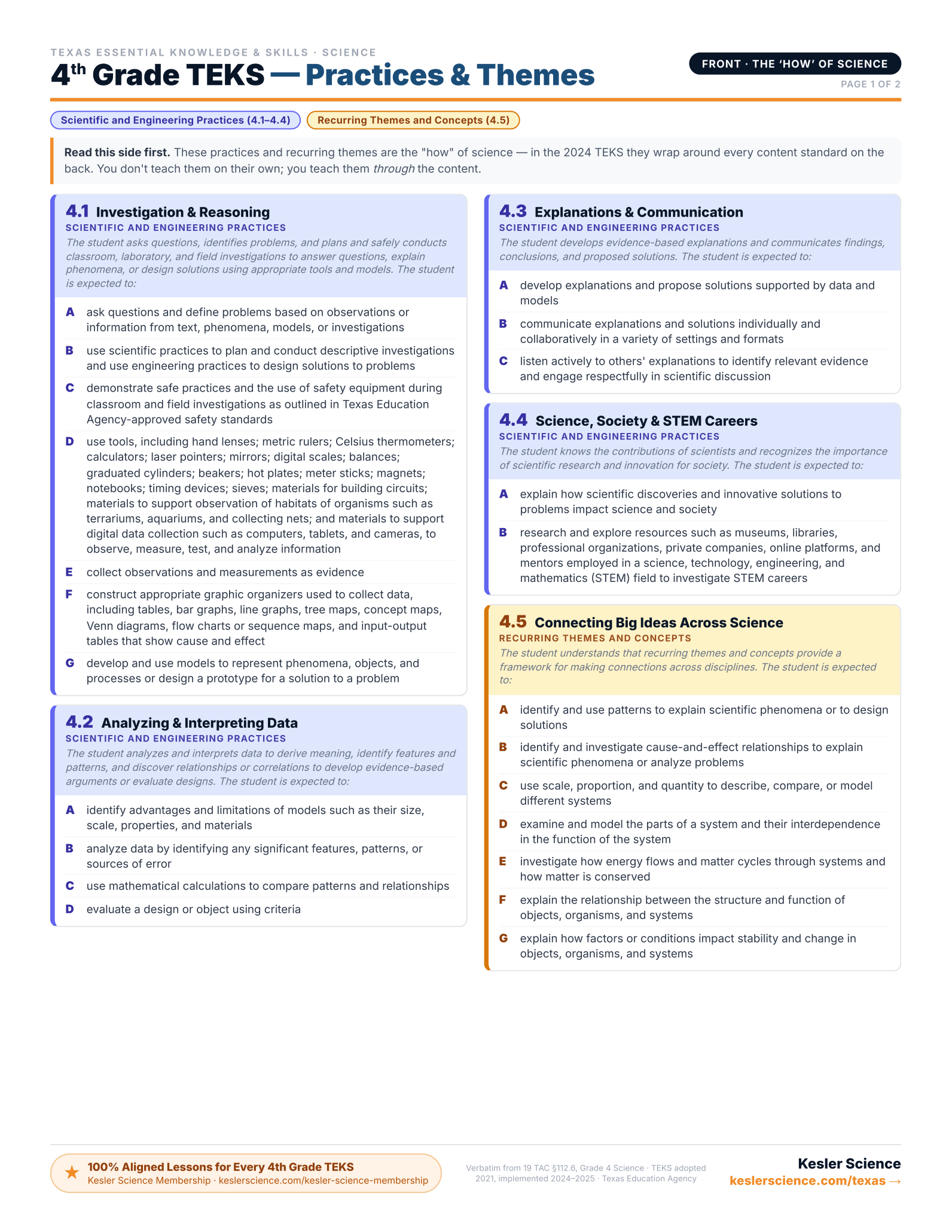
Every 4th-Grade Science TEKS on One Page
The color-coded, front-and-back cheat sheet I wish I'd had — every standard, organized by reporting category. Print it and reference it all year long. This will be your new favorite document!
Trusted Across Texas
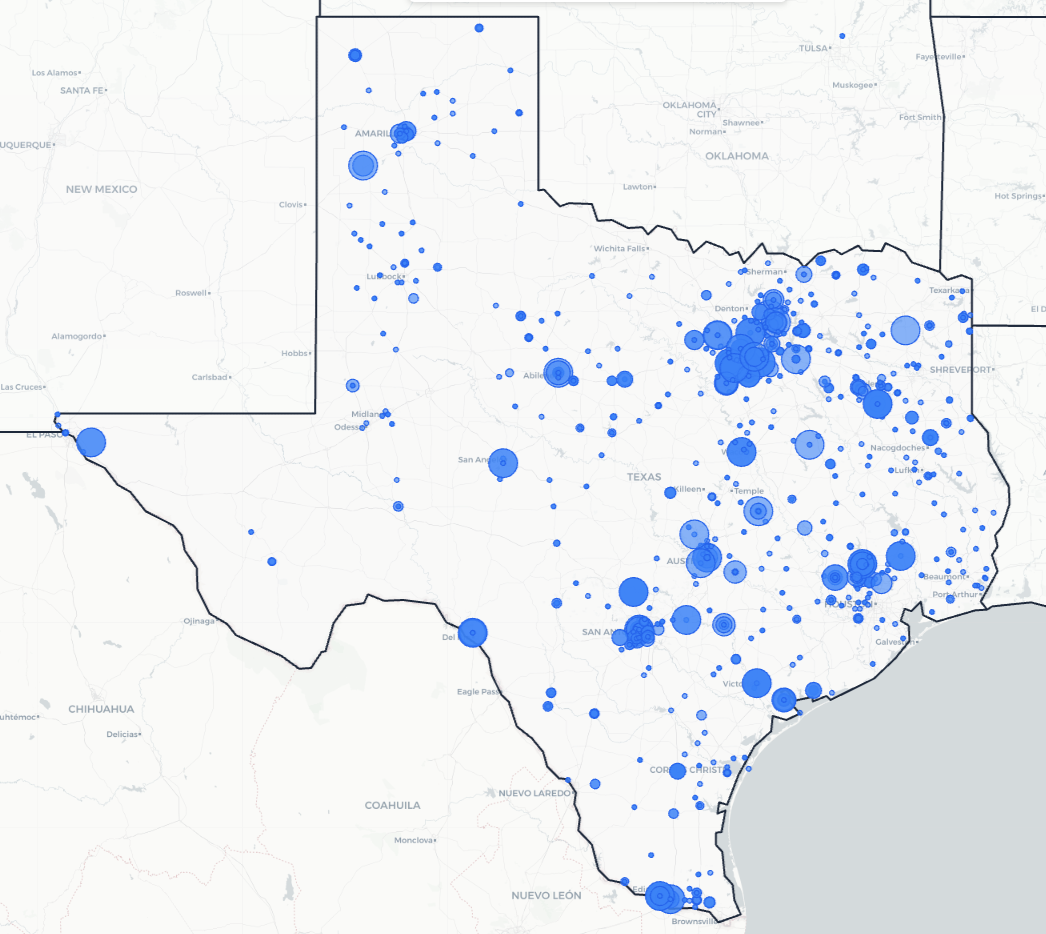
From the Rio Grande Valley to the Panhandle, Texas science teachers are using Kesler Science to save time and engage students.
Texas Schools and Districts
Love Kesler Science
What Teachers Are Saying
Give Your Science Teachers Everything They Need
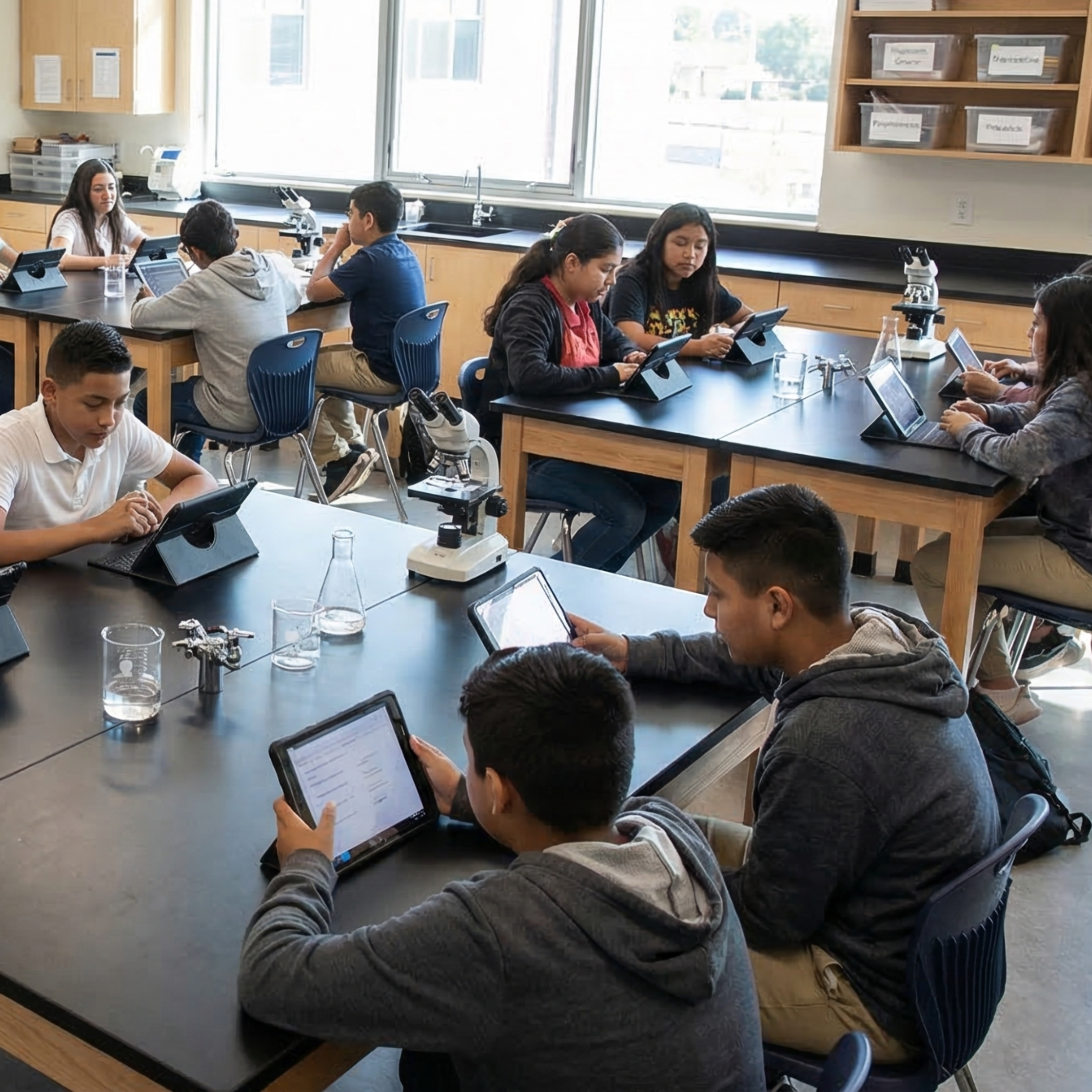
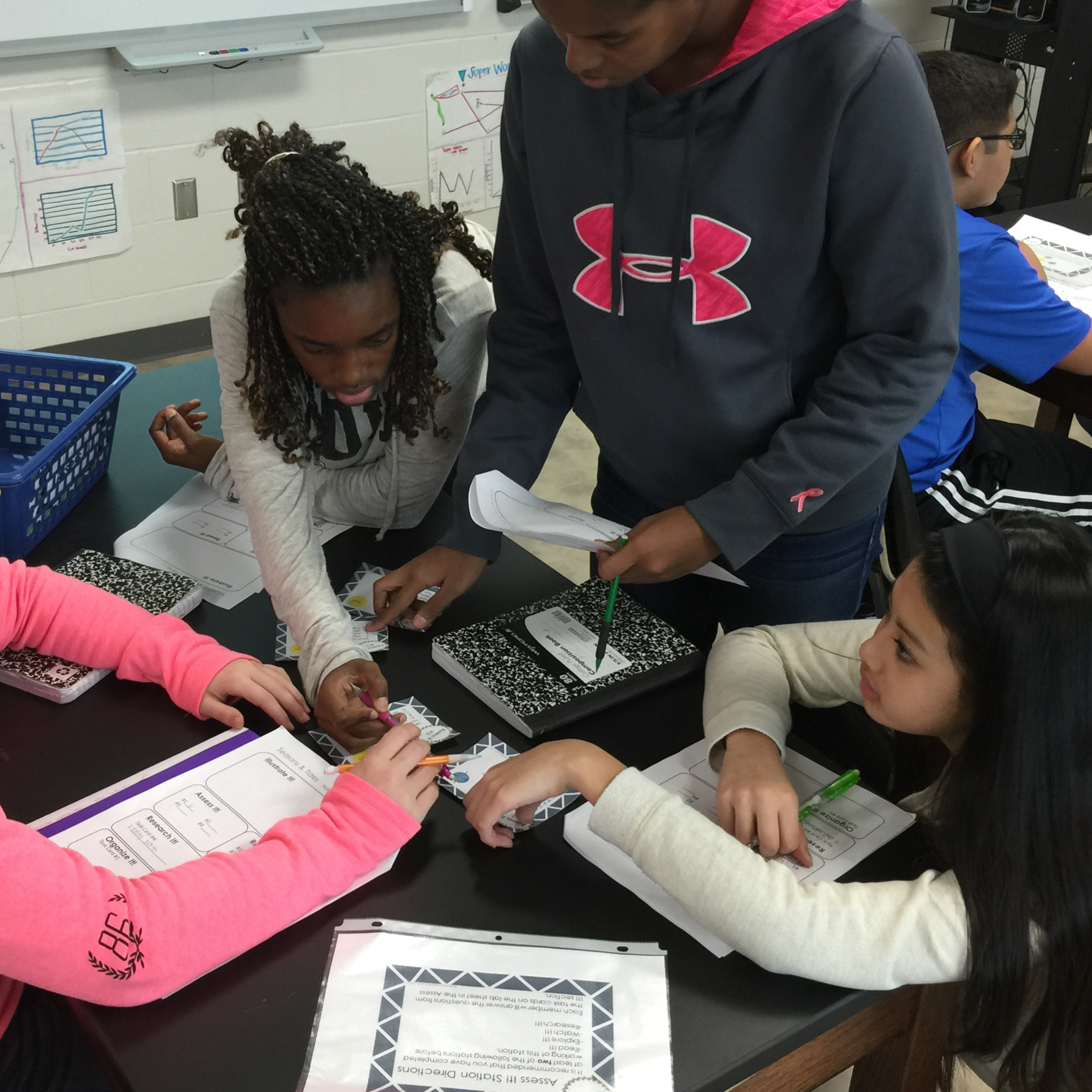
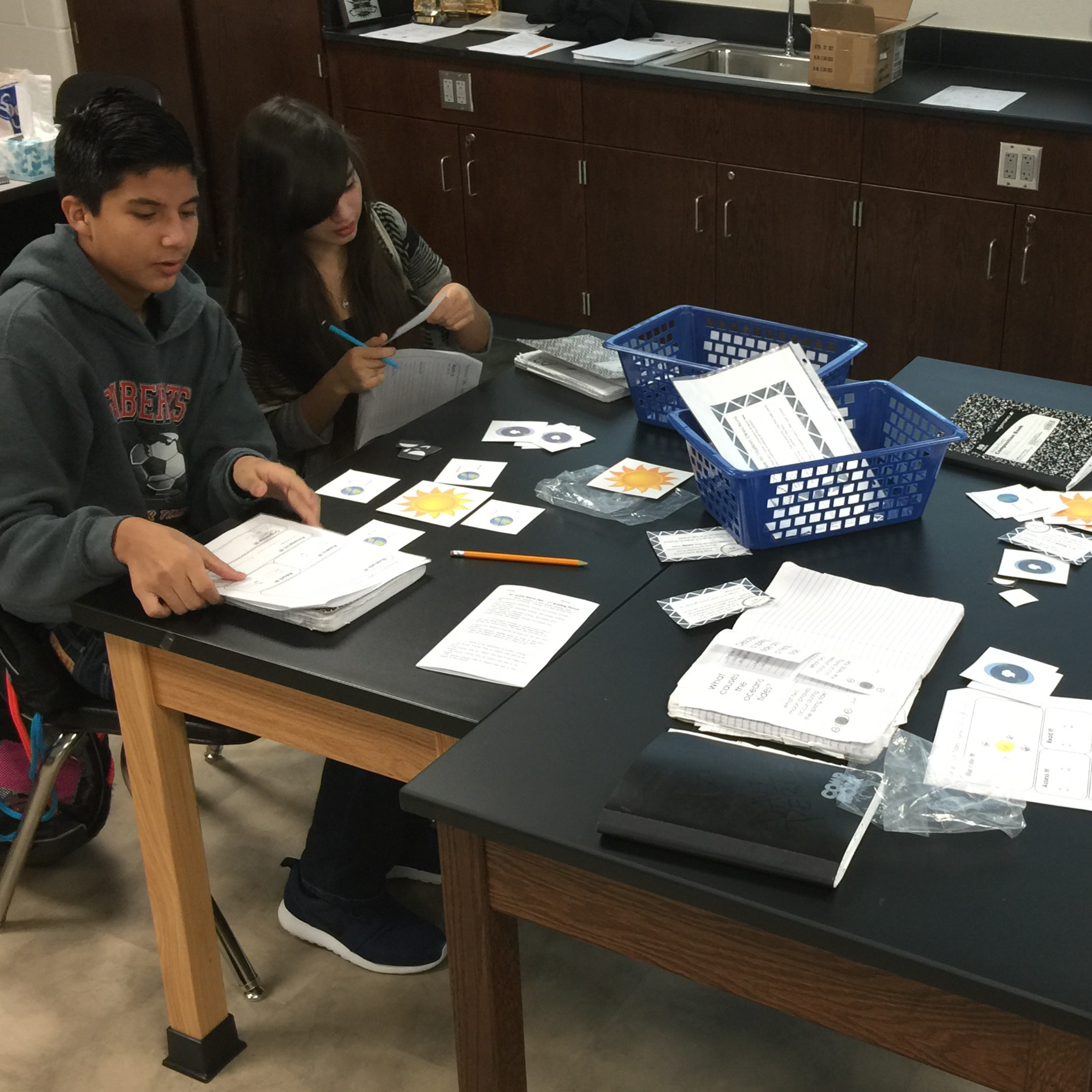
School and district licenses give your teachers access to every resource they need, including station labs, inquiry labs, anchoring phenomena, presentations, escape rooms, and much more. One purchase covers the grade levels you need.
- PO-friendly. We accept purchase orders
- Volume discounts for 11+ teachers
- Complimentary Kesler Science Plus orientation for 4+ teachers
- Three free implementation PD sessions for departments of 11+
- Aligned to the 2024 TEKS standards
See It in Action
Book a walkthrough and we'll show you how Kesler Science fits your campus.
Book Demo CallNo pressure, no hard sell