.png?width=375&height=100&name=WebPage%20logo%20with%20curves%202026%20(8).png)
Conservation of Matter in Mixtures
"Demonstrate that matter is conserved when mixtures such as soil and water or oil and water are formed."
💡 What This Standard Actually Means
"Demonstrate". Fourth graders aren't just being told that matter is conserved. They're proving it with a balance and their own data. The standard names two specific examples: soil and water and oil and water. Both are mixtures where the parts don't dissolve, which makes the demonstration easier because you can still see all of the original matter at the end. Mass the two ingredients separately. Add them together to make the mixture. Mass the mixture. The number on the balance is the same. That's conservation of matter.
Conservation of matter sounds like a big idea, and it is, but at the 4th-grade level the lesson is dead simple. If you start with 50 grams of stuff and you mix it together, you should still have 50 grams of stuff. Matter doesn't sneak away. It doesn't get created out of nowhere. The mass at the end of mixing is the same as the mass at the beginning.
The TEKS calls out two perfect examples for showing this. Soil and water is the first one. Mass a cup of dry soil. Mass a cup of water. Pour the water into the soil. Mass the muddy mixture. Same total. The water didn't vanish into the dirt. It just spread through it. Oil and water is the second one. Mass the oil. Mass the water. Pour them together. Mass the mixed-up bottle. Same total. The oil and water won't blend, but the mass is still all there.
By the end of this unit, kids should be able to explain that mixing things together never changes how much matter is in the bowl. The pieces might look different. They might be hidden. They might be settled in layers. But every gram is accounted for. The balance proves it. That's the demonstration the standard is asking for.
If I were teaching conservation of matter, I'd skip mixtures that dissolve (sugar and water) because kids end up arguing about whether the sugar is still there. The TEKS-named examples (soil and water, oil and water) sidestep that whole problem. Both of those mixtures stay visibly chunky or layered, so kids can SEE that none of the matter went anywhere. The soil settles into a layer on the bottom with cloudy water above it. The oil floats on top. They can literally point at every gram. Use a triple-beam balance or a digital scale. Mass the soil cup, mass the water cup, mix them, mass the muddy cup. Have a kid read the numbers out loud. The lightbulb moment is when they realize the math actually works. That's all this standard needs.
⚠️ Misconceptions Your Students May Have
These are some of the most common misconceptions. Knowing what to look for can help you get ahead of them.
"When water soaks into dirt, the water is gone"
The water isn't gone. It's spread out through the soil. The mass of the muddy mixture proves it. If you started with 100 grams of dry soil and added 50 grams of water, you'd weigh 150 grams of muddy soil. The water is still in there, hiding between the dirt particles. Squeeze the mud and you can wring some of it back out.
"When oil sits on top of water, you have less stuff than before"
You have exactly as much stuff as before. The oil and water won't blend, so they form layers. Both layers are still in the bottle. The mass on the balance is the oil plus the water, every drop. Layers don't mean missing matter. Layers just mean two kinds of matter that won't dissolve into each other.
"Mixing things together can create new matter"
You can't make new matter just by mixing. The total mass before and after is always the same. Mixing rearranges the parts, but it doesn't add anything to the bowl. If you start with 200 grams of stuff, you end with 200 grams of stuff, even if it looks completely different.
"If a mixture looks smaller in the bowl, you have less matter"
How much room something takes up isn't the same as how much matter is in it. Sometimes mixing makes things settle and the level in the bowl drops. The matter is still there, just packed in tighter. The balance is the only way to know the truth. Trust the scale, not your eyes.
📓 Teaching Resources for 4.6C
These resources are aligned to this standard.


100% Aligned Lessons for Every TEKS You Teach
Kesler Science Plus puts thousands of ready-to-teach lessons and activities in your hands, so you can boost engagement and get your planning time back. Trusted by schools and districts all over the great state of Texas.
🌎 Phenomenon Ideas for 4.6C
Use these real-world phenomena to anchor your lesson. Show students the phenomenon first, let them wonder, then build toward Conservation of Matter in Mixtures as the explanation.
The Muddy Math
Mass an empty plastic cup, add 50 grams of dry potting soil, and write the number on the board. Mass another cup with 50 grams of water and write that number. Now pour the water right into the soil and stir. Mass the muddy cup. The number on the scale is exactly 100 grams. The water and the soil added up perfectly, even though it now looks like one giant mud pile.
"The water soaked into the soil and you can't see it anymore. So why does the mud weigh exactly the same as the water and soil added together?"
The Oil-and-Water Two-Layer Trick
Mass a clear bottle with 100 grams of water. Mass a separate cup with 50 grams of vegetable oil. Pour the oil into the water bottle. Cap it. The oil floats on top in a yellow layer, and the water stays clear on the bottom. Drop the bottle on the balance. It reads exactly 150 grams. Shake the bottle and the layers blur, then settle back. Mass it again. Still 150 grams.
"The oil and water won't even mix together. So why is the mass exactly the same as both ingredients added up? What does that tell us about matter when we make mixtures?"
The Sealed Bag Surprise
Drop a handful of soil in a zip-top bag. Pour in some water. Seal it tight. Mass the whole bag and write down the number. Now squish, shake, and mix it up so it's a wet sloppy bag of mud. Mass it again. Same number. The matter inside got rearranged, but nothing escaped because the bag was sealed.
"Why does a sealed bag full of mud weigh exactly the same as the soil and water that went into it? What would have to happen for the mass to actually change?"
💡 Free Engagement Ideas for 4.6C
Ready-to-run activities you can drop straight into a lesson. Where one of these looks like a phenomenon from the section above, that is on purpose: show it first as the hook, then let students run it themselves.
Mass Before, Mass After Lab
Each group gets a balance, two cups, soil, water, and oil. They run two trials: first soil + water, then water + oil. For each trial they mass each ingredient separately, mix them, and mass the mixture. Then they fill in a chart with three columns: ingredient 1 mass, ingredient 2 mass, total mixture mass. Last column: "Did the math work?" Yes/No. Every group's data ends up the same.
Mystery Mixture Stations
Set up four stations with different mixtures: salt and pepper, rice and beans, oil and water, soil and water. At each station, kids mass each ingredient before mixing, mass the mixture after, and answer the same three questions. By rotation four, they've proved conservation of matter four times in a row with totally different mixtures. Repetition is the point.
The Sealed Bag Demo Wall
Every kid gets a small zip-top bag, some soil, and a squirt of water from a syringe. They mass the bag with both ingredients inside (sealed), write the number on a sticky note, then mush the bag into mud. Mass it again. Tape every bag and sticky note to the wall like a museum display. The wall is a visual proof, kid by kid, that matter was conserved every single time.
Predict, Test, Explain
Give each pair a recipe: "Mix 30 grams of soil with 30 grams of water. Predict the total mass." Most kids will write 60. Some will guess less because "water sinks in." A few will guess more. They mix it, mass it, and confirm 60 grams every time. Then each pair writes one sentence explaining why the answer was always 60, no matter what they mixed.
🎯 What Approaches, Meets, and Masters Thinking Look Like
Here is what student thinking at each level looks like on this one task, so you know what to look for and how to move a student up.
A student weighs a cup of dry soil and gets 100 grams. She weighs a cup of water and gets 50 grams. Then she pours the water into the soil and stirs it into mud. What will the muddy mixture weigh on the balance? Explain how you know.
- A clear answer for the weight of the mud: 150 grams.
- Adding the two starting weights together (100 grams of soil plus 50 grams of water).
- The idea that the water did not go away when it mixed into the soil.
- The word mass or weight used to talk about how much matter is there.
- An explanation that mixing does not make matter appear or disappear.
- The student trusts the balance, not just how the mud looks in the cup.
- The tricky part: knowing the water is still in the mud even though you cannot see it as water anymore. That is the easiest place to slip.
The mud will weigh about 100 grams, like the soil did. When you pour water on dirt it soaks in and the water is gone. So really you just have the soil left, and that is what the balance will show.
The mud will weigh 150 grams. I added the soil and the water together. 100 grams plus 50 grams is 150 grams. The water did not go away when it soaked in. It is still in the mud, just hiding in the dirt. So all the matter is still there and the balance shows 150 grams.
The mud will weigh 150 grams, because 100 grams of soil plus 50 grams of water is 150 grams. Mixing things together does not make matter appear or disappear. It just moves the parts around. The water looks like it is gone, but it is really spread out in the dirt, so every gram is still there.
It works the same way with oil and water. If I weigh 50 grams of oil and 50 grams of water and pour them into one bottle, it weighs 100 grams, even though the oil and water do not blend and just sit in layers. Layers do not mean missing stuff. The mass stays the same no matter how the mixture looks.
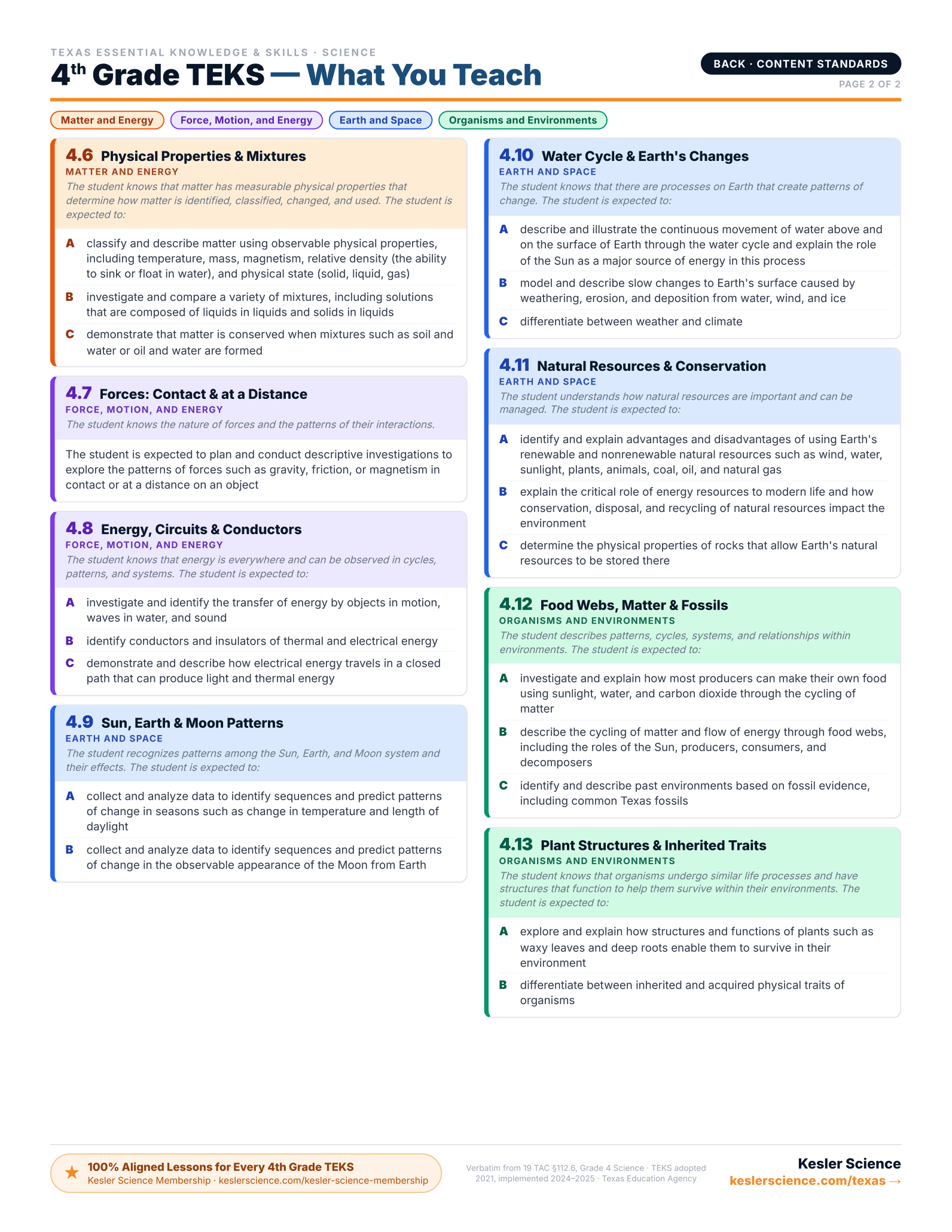
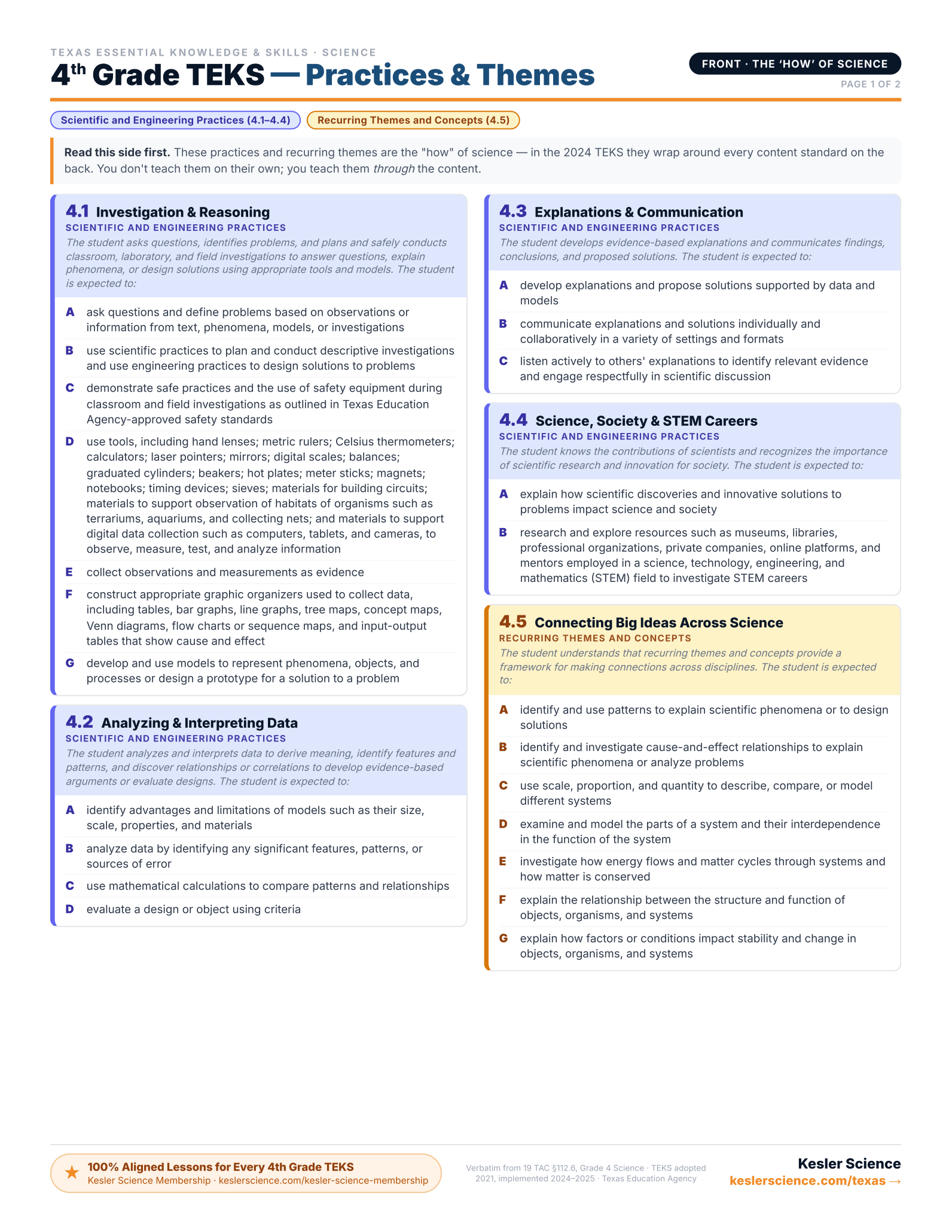
Every 4th-Grade Science TEKS on One Page
The color-coded, front-and-back cheat sheet I wish I'd had — every standard, organized by reporting category. Print it and reference it all year long. This will be your new favorite document!
Trusted Across Texas
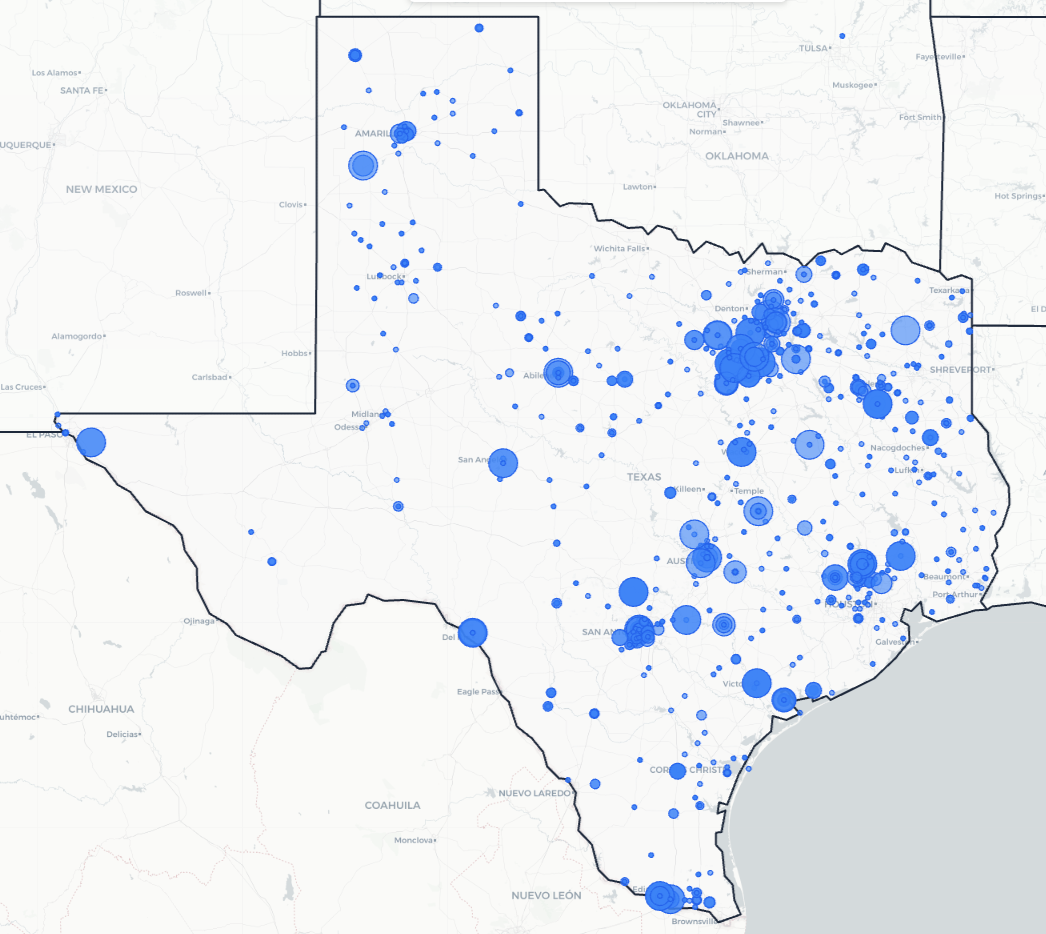
From the Rio Grande Valley to the Panhandle, Texas science teachers are using Kesler Science to save time and engage students.
Texas Schools and Districts
Love Kesler Science
What Teachers Are Saying
Give Your Science Teachers Everything They Need
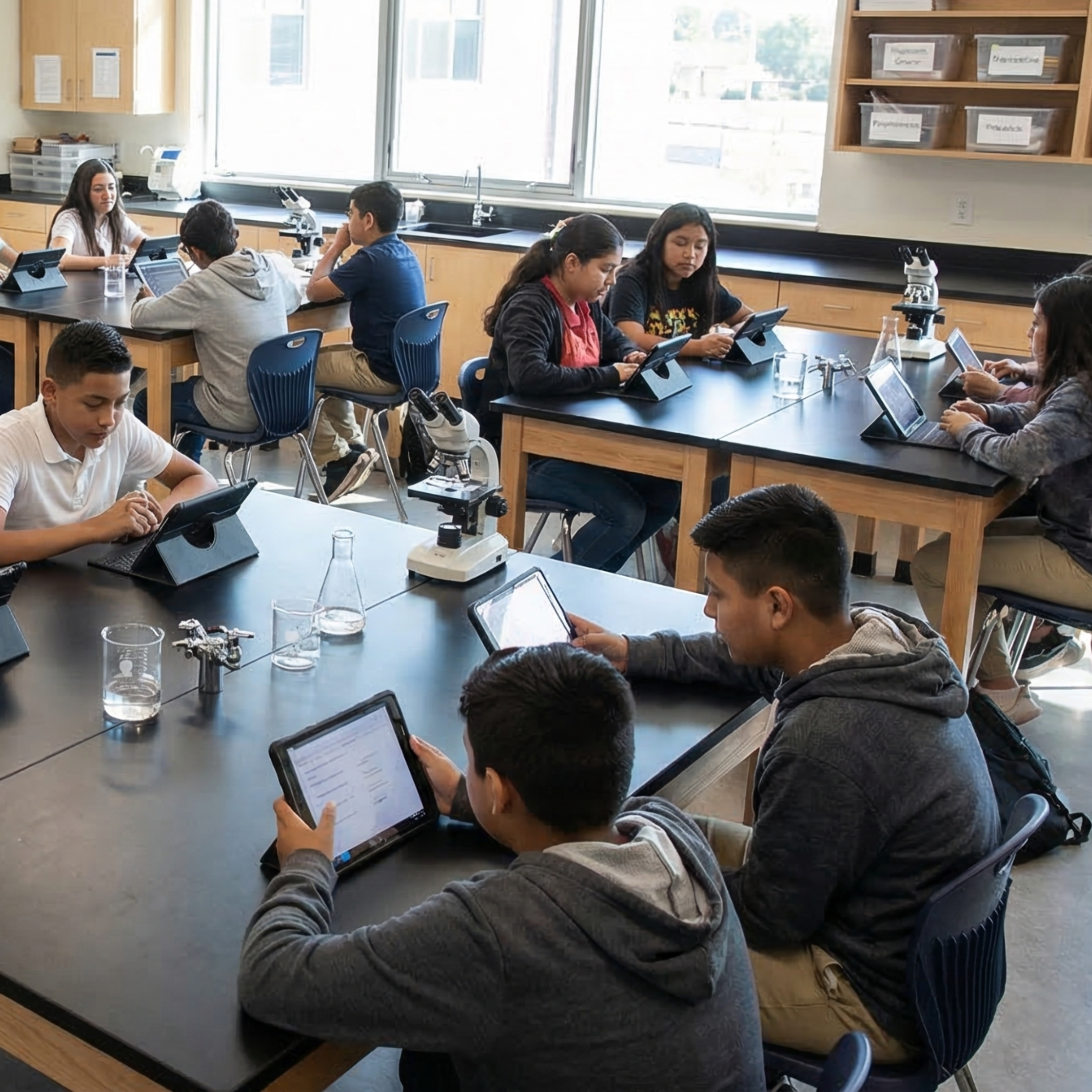
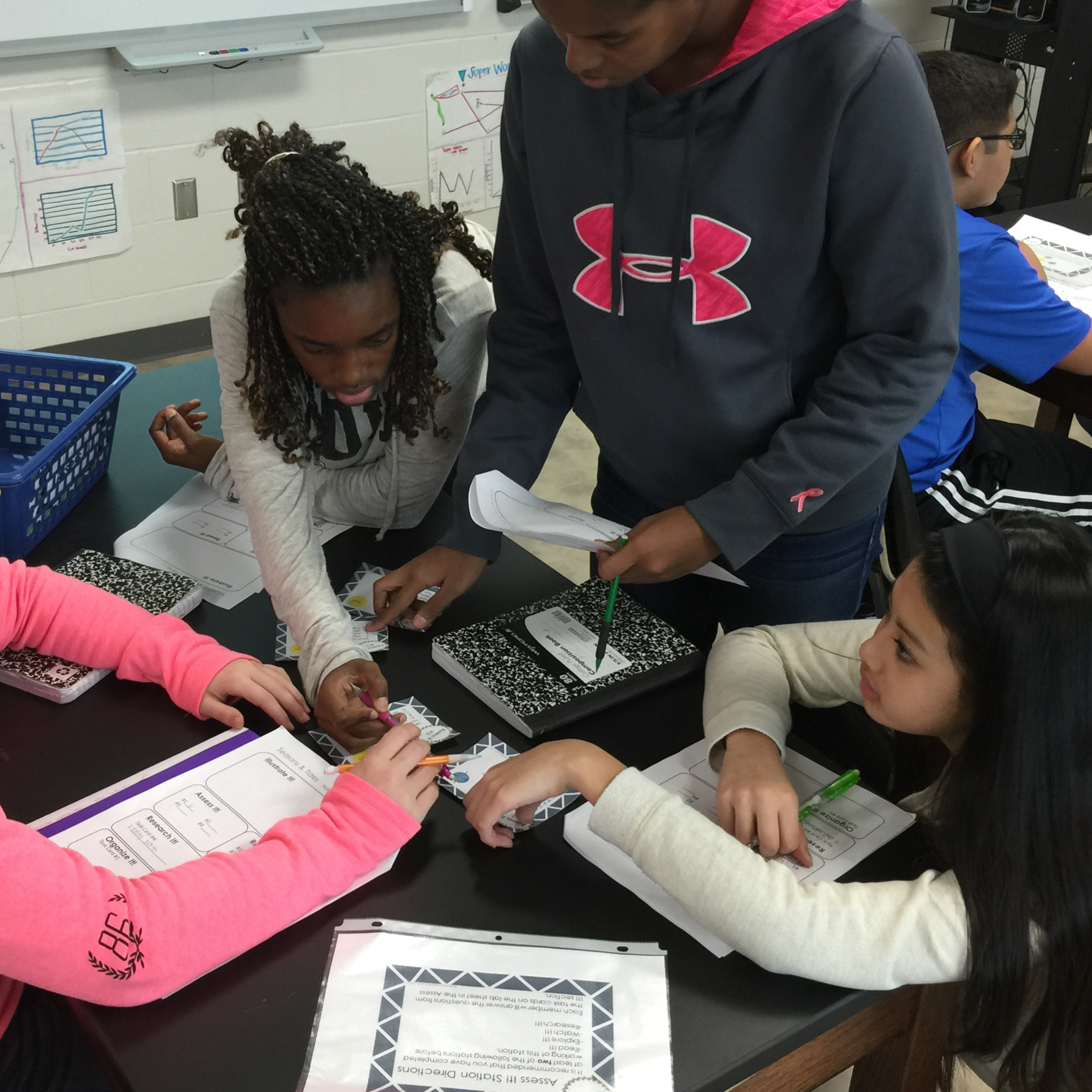
School and district licenses give your teachers access to every resource they need, including station labs, inquiry labs, anchoring phenomena, presentations, escape rooms, and much more. One purchase covers the grade levels you need.
- PO-friendly. We accept purchase orders
- Volume discounts for 11+ teachers
- Complimentary Kesler Science Plus orientation for 4+ teachers
- Three free implementation PD sessions for departments of 11+
- Aligned to the 2024 TEKS standards
See It in Action
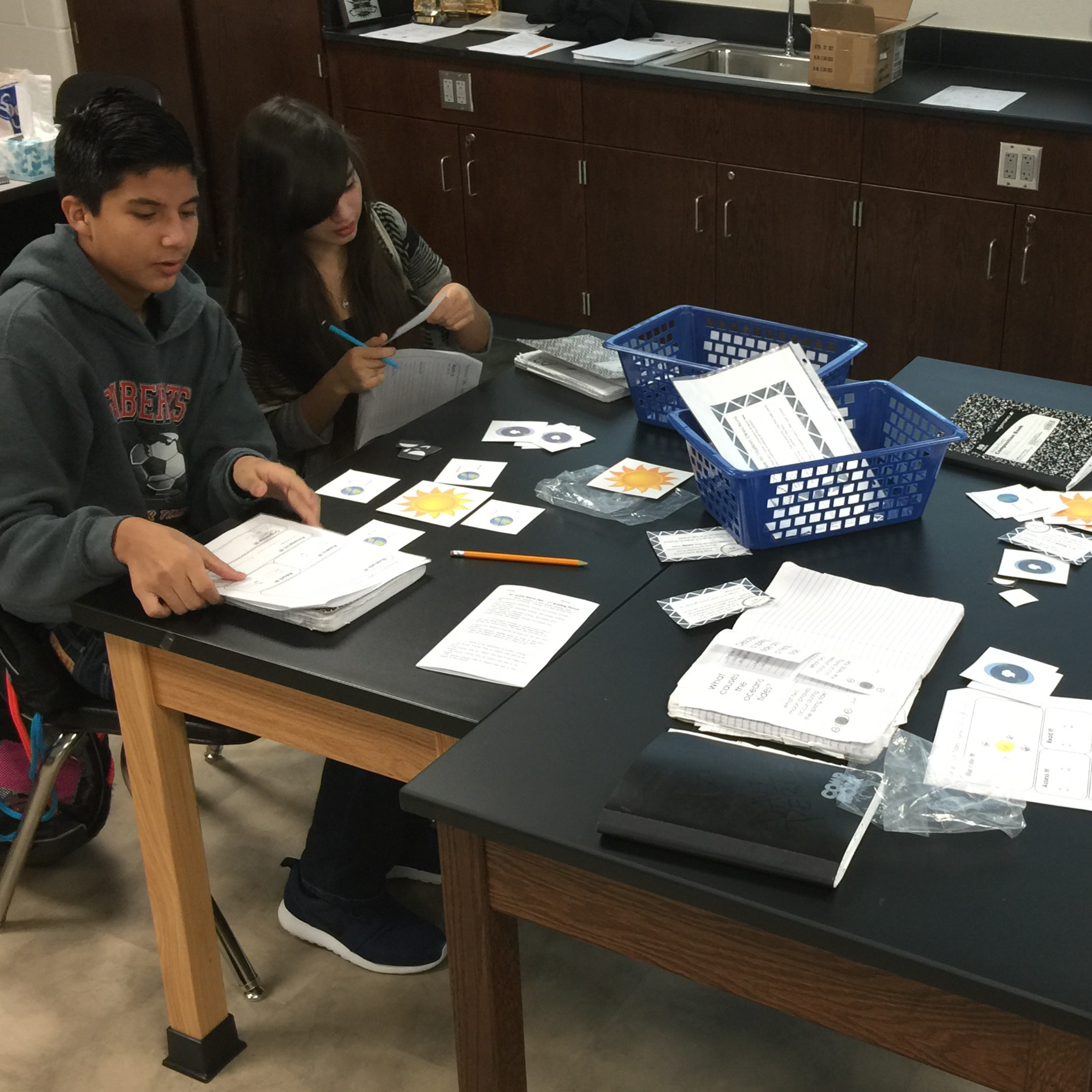
Book a walkthrough and we'll show you how Kesler Science fits your campus.
Book Demo CallNo pressure, no hard sell