.png?width=375&height=100&name=WebPage%20logo%20with%20curves%202026%20(8).png)
Inherited & Acquired Traits
"Differentiate between inherited and acquired physical traits of organisms."
💡 What This Standard Actually Means
"Differentiate". Fourth graders are telling apart two kinds of traits. Inherited traits come from parents. They're built into the organism from birth and you can't change them. Eye color, hair color, the shape of a dog's ears, the spots on a leopard. Acquired traits are picked up DURING the organism's life. They happen because of things that happen to the organism. A scar on your knee. A suntan from a summer at the pool. A cat that learned tricks. Acquired traits don't pass to the babies. Inherited ones do. The kid version of the test: did the trait come from your parents or did it happen to you after you were born?
Every living thing has traits, and those traits come from one of two places. Some traits show up because they were passed down from parents. Others show up because of things that happened during the organism's life. 4.13B is a clean, focused standard with one job: teach kids how to tell the two apart.
Inherited traits are passed from parents to offspring. A puppy gets its fur color from its parents. A kid gets eye color from mom and dad. A leopard gets its spots, a fish gets its fin shape, a sunflower gets its yellow petals. These traits are set by genes the organism inherited from its parents. Some show up at birth (eye color, fur color) and some develop later (adult height, beard color), but they're all part of the inherited 'instruction manual' from the parents. You can't change them by what you do later. The puppy can't grow brown fur if its parents both had black fur and passed black fur on to the puppy.
Acquired traits are picked up during life. A person gets a scar from falling off a bike. A skin gets darker from a summer in the sun. A dog learns to sit on command. A houseplant grows bent toward the window. A baseball player builds bigger arm muscles from practice. None of these things came from parents. They came from things that happened to the organism. And they don't pass to the next generation. A kid born to a parent with a scar isn't born with that scar. By the end of this unit, kids should be able to look at any trait and decide: did it come from the parents or did it happen during life?
The fastest way to teach this standard is the "you" lesson. Have every kid grab a piece of paper and draw a self-portrait. Then have them label five things on their drawing as either "inherited" or "acquired." Hair color = inherited. Eye color = inherited. Scar on the chin = acquired. Tooth gap from when the tooth fell out = acquired. Knowing how to read = acquired. Your natural skin tone passed from parents = inherited (any tan you got at the pool last summer = acquired). Kids GET this immediately because it's about their own bodies. From there, extend it to pets and animals: a dog's spots are inherited, but a dog's tricks are acquired. A leopard's spots are inherited, but a scar from a fight is acquired. Don't try to teach genetics here. The TEKS just wants "differentiate." If kids can sort traits into two columns, they've nailed it.
⚠️ Misconceptions Your Students May Have
These are some of the most common misconceptions. Knowing what to look for can help you get ahead of them.
"If a parent has a scar, their kid will be born with that scar"
Scars are acquired traits. They happen during life because of an injury. They don't pass to babies. A baby is born with the inherited traits from the parents (eye color, hair color, body shape) but not with any of the marks the parents picked up along the way. Same with tattoos. Same with sun-tanned skin. Acquired things stay with the individual.
"Anything I learned is inherited because it's part of me now"
Skills you learned (how to ride a bike, how to read, how to play soccer) are acquired traits. You weren't born knowing them. You picked them up during your life. Your kids someday will not be born already knowing how to ride a bike just because you know how. They'll have to learn it themselves.
"Eye color and hair color can change if you really want them to"
Eye color and hair color are inherited traits, set by what your parents passed to you. You can dye your hair, but the new color is acquired (it'll wash out or grow out, and your real hair color comes back). You can wear contacts, but your real eye color stays the same. The inherited trait is what your body actually grows on its own.
"All the traits a pet has are inherited from its parents"
Pets have both kinds of traits, just like people. A dog's coat color, ear shape, and size are inherited from its parents. But a dog's tricks (sit, roll over, shake), its scars, and how friendly it is with humans are acquired during its life. The dog wasn't born knowing how to sit. Someone trained it.
📓 Teaching Resources for 4.13B
These resources are aligned to this standard.


100% Aligned Lessons for Every TEKS You Teach
Kesler Science Plus puts thousands of ready-to-teach lessons and activities in your hands, so you can boost engagement and get your planning time back. Trusted by schools and districts all over the great state of Texas.
🌎 Phenomenon Ideas for 4.13B
Use these real-world phenomena to anchor your lesson. Show students the phenomenon first, let them wonder, then build toward Inherited & Acquired Traits as the explanation.
The Family Photo Test
Show a series of family photos (cleared with families ahead of time, or use stock photos of families). Each set has parents and a kid. Ask the class: "What do you notice that the kid got from the parents?" Eye color, hair color, nose shape, height (eventually), even ear shape can show up. Then point out the kid's t-shirt with a sports team logo or a soccer trophy nearby and ask: "Did the kid INHERIT being a soccer player?" No. They learned it. Acquired.
"What did the kid get from their parents that they couldn't change? What did the kid pick up themselves during their life?"
The Two-Dog Story
Show photos of two dogs from the same litter (same parents, same birthday). One dog has a scar over its eye and knows three tricks. The other doesn't have a scar and only knows one trick. Both dogs are the same breed, same color, same general size, because those traits were inherited from the parents. But the scars and the tricks are different because of what happened to each dog during its life.
"How can two dogs from the same parents end up so different in some ways and so alike in others? Which differences came from the parents, and which ones came from the dogs' lives?"
The Suntan Surprise
Show a photo of someone with a serious "farmer's tan": dark forearms and pale upper arms because they wore short sleeves all summer working outside. Their skin tone in places that didn't see the sun is the inherited color. The dark skin on their arms is acquired from being out in the sun. Same person, two different shades of skin, only one of which they were born with.
"Was this person born with darker arms than legs? Where did the difference come from? When winter comes, what happens to the tan?"
💡 Free Engagement Ideas for 4.13B
Ready-to-run activities you can drop straight into a lesson. Where one of these looks like a phenomenon from the section above, that is on purpose: show it first as the hook, then let students run it themselves.
Trait Sort Two-Column Chart
Each kid gets a chart with two columns: INHERITED and ACQUIRED. They list 10 traits about themselves: things like hair color, eye color, learning to ride a bike, getting a scar, height, knowing how to read, being able to wiggle their ears, having a freckle on their nose. They sort each trait into one column and explain why. Personal, fast, and locks in the verb directly.
Pet Profile Project
Each kid writes a one-page profile of a real or imaginary pet. They include five inherited traits (fur color, breed, size, ear shape, eye color) and five acquired traits (tricks the pet knows, scars, favorite spot to sleep, vocabulary of words the pet responds to). Color-code the two kinds. Forces practice in real organism examples beyond just humans.
Trait Card Sort
Print 30 trait cards: a mix of inherited (eye color, fur color, leaf shape, fin shape, beak shape, height) and acquired (scar, tan, learned trick, callused hands, broken tooth, missing leaf from a storm). Kids work in pairs to sort cards into two stacks. Then they pull out three "tricky" cards they argued about and explain their reasoning to the class.
Self-Portrait with Labels
Each kid draws a full-body self-portrait. Then they label at least 6 things on it as either "inherited from parents" or "acquired during my life." Hair color, eye color, height, freckles, scars, the haircut they have right now, the t-shirt brand they like, knowing how to write their name. Display the portraits on the wall. Personal, visual, fun.
🎯 What Approaches, Meets, and Masters Thinking Look Like
Here is what student thinking at each level looks like on this one task, so you know what to look for and how to move a student up.
A dog named Pepper has black fur, floppy ears, and a small scar on her leg from a fall. Pepper also knows how to sit when her owner says "sit." Pick two of Pepper's traits and tell whether each one is inherited (passed down from her parents) or acquired (picked up during her life). Explain how you know.
- Each chosen trait is clearly labeled as either inherited or acquired.
- Black fur correctly called inherited (it came from Pepper's parents).
- Floppy ears correctly called inherited (the ear shape came from her parents).
- The scar correctly called acquired (it happened to Pepper during her life, from the fall).
- The "sit" trick correctly called acquired (Pepper learned it, she was not born knowing it).
- An explanation that gives the reason, not just the label: did the trait come from the parents, or did it happen to Pepper after she was born?
- The scar handled correctly. That is the easiest place to slip, because it is part of Pepper's body now but it still did not come from her parents.
Pepper's black fur is inherited because she got it from her mom and dad. Her scar is inherited too, because it is on her body and it is part of her now. If she has puppies, they will probably have the scar in the same spot.
Pepper's black fur is inherited because it was passed down from her parents. She was born with it. The scar on her leg is acquired because she got it from falling. She was not born with the scar, it happened to her later. So one trait came from her parents and one trait happened during her life.
Pepper's black fur is inherited because her parents passed it down to her in their genes, so she was born with it. The scar is acquired because it happened to her body during her life when she fell. The real way to tell them apart is to ask if the trait came from the parents or if it happened to the animal after it was born. Inherited traits can pass to babies, but acquired traits cannot.
That is how I know Pepper's "sit" trick is acquired, not inherited. She was not born knowing how to sit. Someone trained her, so it happened during her life. If Pepper had puppies, they would have her black fur, but they would not be born already knowing how to sit. They would have to be trained too.
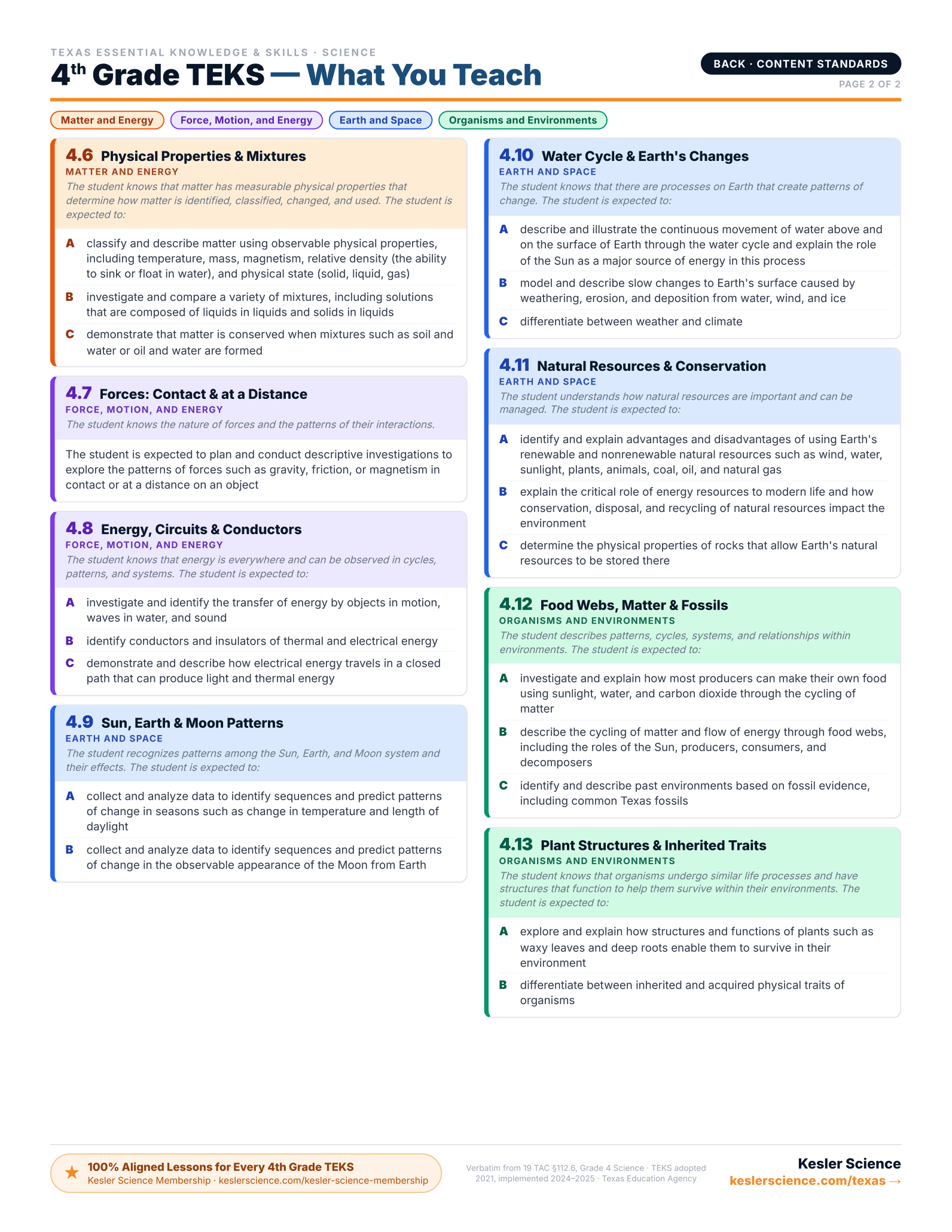
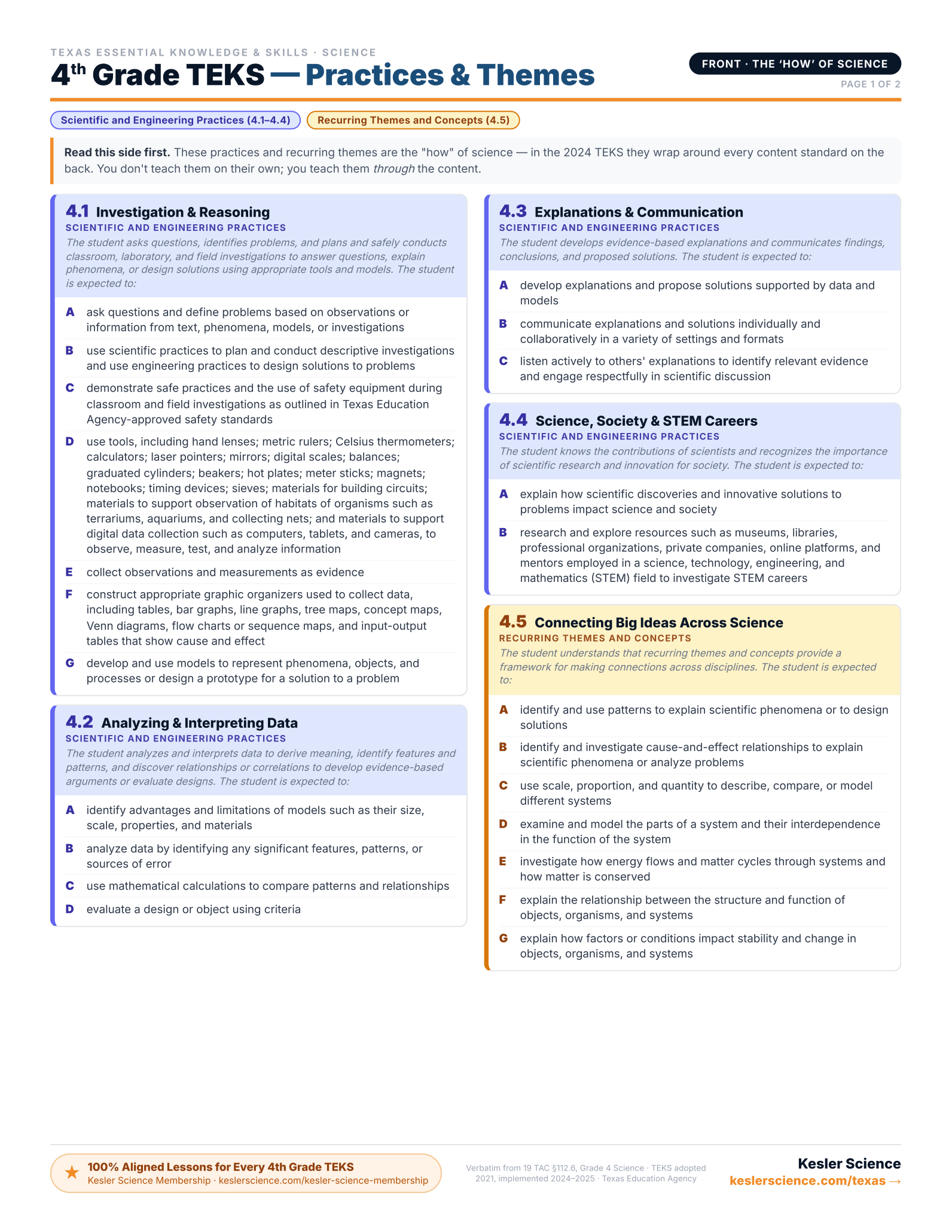
Every 4th-Grade Science TEKS on One Page
The color-coded, front-and-back cheat sheet I wish I'd had — every standard, organized by reporting category. Print it and reference it all year long. This will be your new favorite document!
Trusted Across Texas
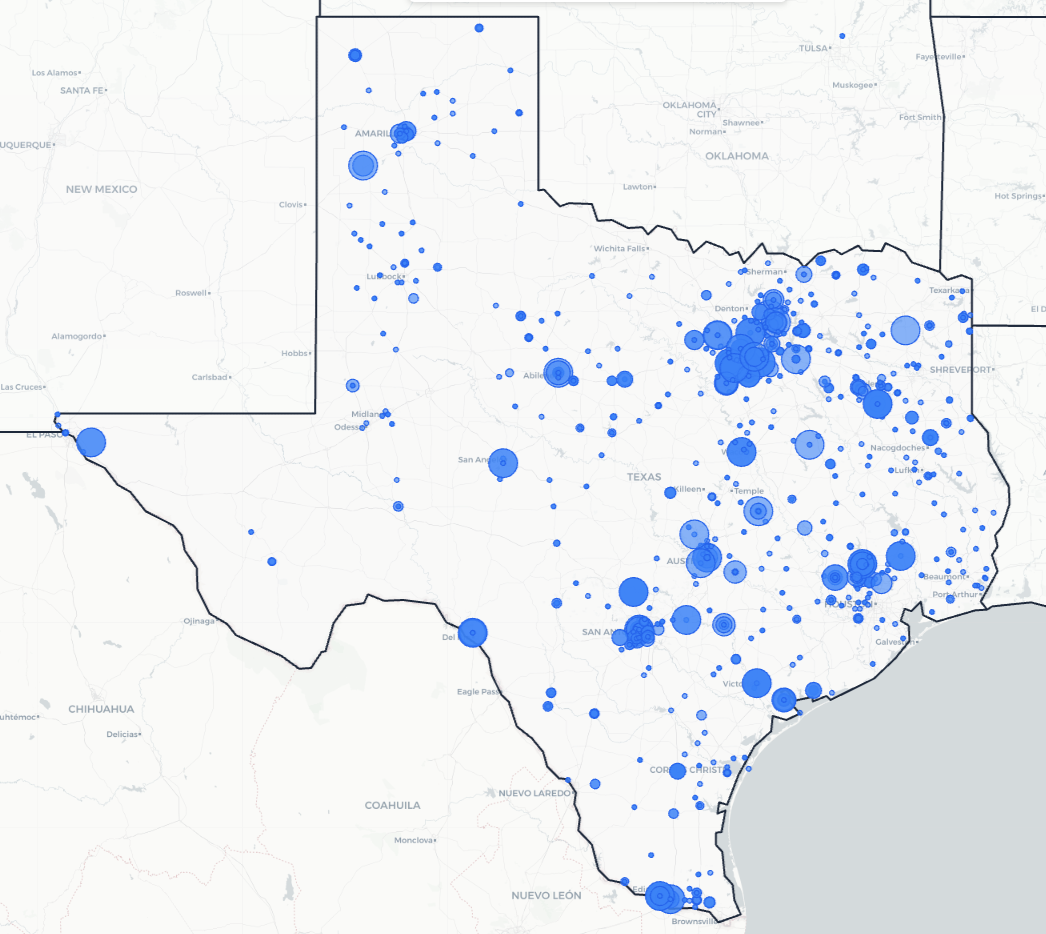
From the Rio Grande Valley to the Panhandle, Texas science teachers are using Kesler Science to save time and engage students.
Texas Schools and Districts
Love Kesler Science
What Teachers Are Saying
Give Your Science Teachers Everything They Need
School and district licenses give your teachers access to every resource they need, including station labs, inquiry labs, anchoring phenomena, presentations, escape rooms, and much more. One purchase covers the grade levels you need.
- PO-friendly. We accept purchase orders
- Volume discounts for 11+ teachers
- Complimentary Kesler Science Plus orientation for 4+ teachers
- Three free implementation PD sessions for departments of 11+
- Aligned to the 2024 TEKS standards

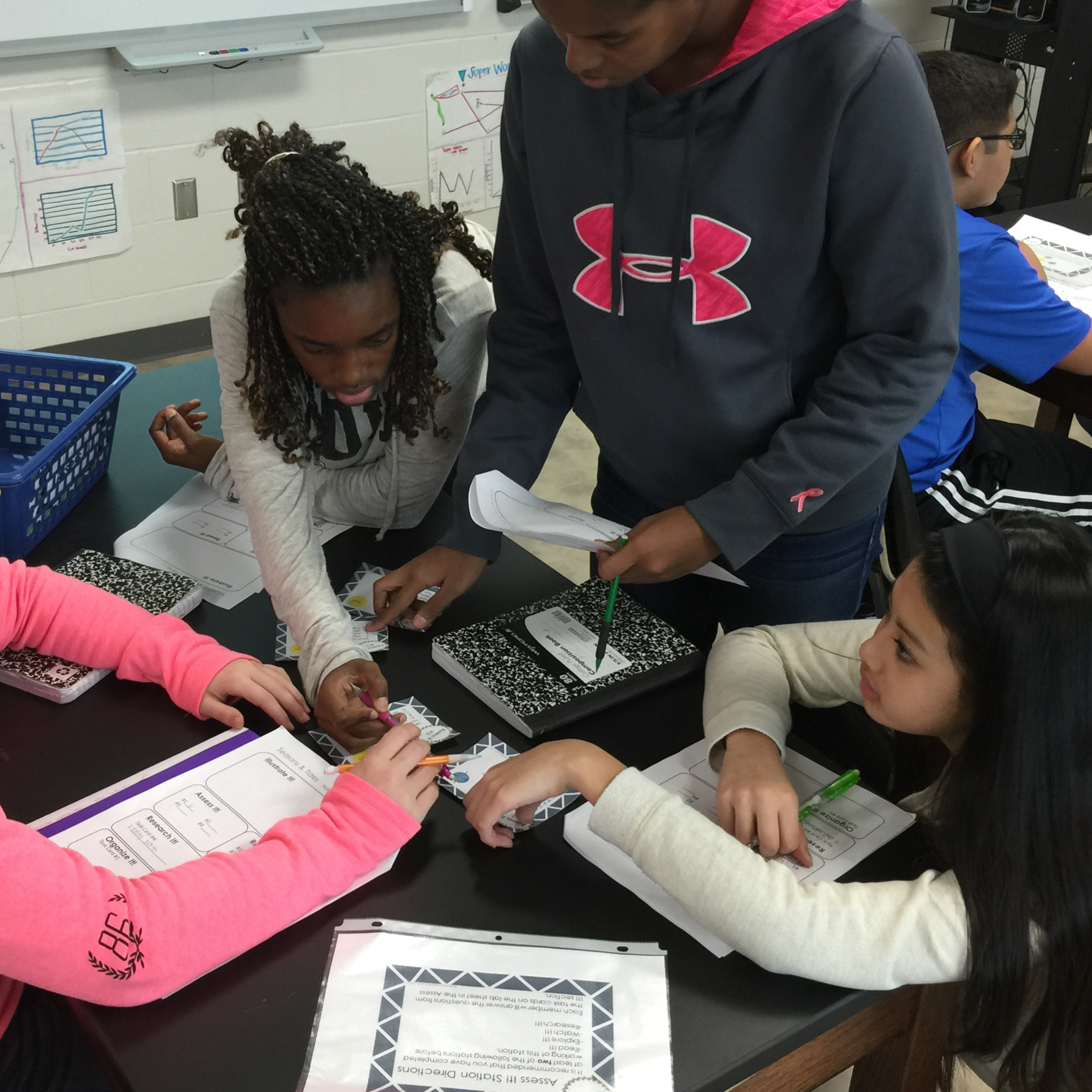
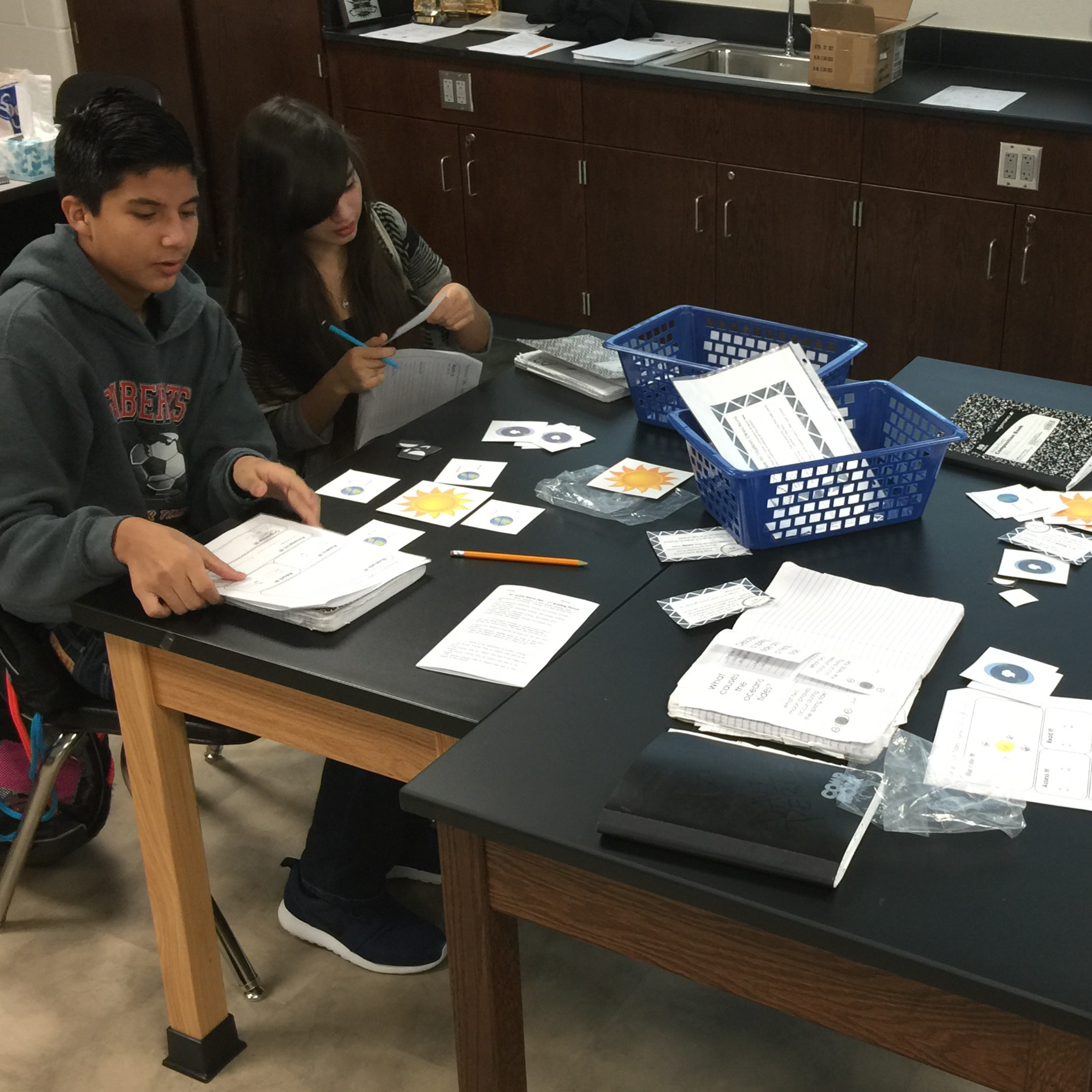
See It in Action
Book a walkthrough and we'll show you how Kesler Science fits your campus.
Book Demo CallNo pressure, no hard sell