.png?width=375&height=100&name=WebPage%20logo%20with%20curves%202026%20(8).png)
Mixtures & Solutions
"Investigate and compare a variety of mixtures, including solutions that are composed of liquids in liquids and solids in liquids; and"
💡 What This Standard Actually Means
"Investigate and compare". Fourth graders are mixing things together and looking at the results. The standard zooms in on one specific kind of mixture: solutions. And it spells out the two flavors students need to see: liquids in liquids (like food coloring stirred into water) and solids in liquids (like sugar stirred into water). Comparing means looking at multiple mixtures side by side and noticing what's alike and different. Some mixtures dissolve completely and become solutions. Others stay chunky and you can still see all the parts. The investigating part is hands-on. Pour, stir, watch, record.
Walk into a 4th-grade kitchen lab and you'll see two cups of water, a packet of Kool-Aid powder, and a spoonful of sand. Pour the Kool-Aid into one cup and stir. The powder disappears, the water turns red, and you can't see any chunks anywhere. That's a solution. Pour the sand into the other cup and stir. The water turns cloudy, but as soon as you stop stirring, the sand sinks to the bottom. The two parts separate again. That's still a mixture, but it's not a solution.
4.6B is teaching kids to spot the difference. A mixture is anytime you combine two or more things and they don't change into something brand new. The pieces are still themselves, just hanging out together. A solution is a special kind of mixture where one thing dissolves into another so completely that you can't see the parts anymore. The TEKS lists the two types kids need to investigate: liquids dissolved in liquids (like vinegar in water, food coloring in water) and solids dissolved in liquids (like sugar in tea, salt in water).
By the end of this unit, kids should be able to mix two things together, watch what happens, and answer two questions. Did the parts disappear into each other or stay separate? Was this a solution or just a regular mixture? They should be comparing different mixtures with their own eyes, not just reading definitions off a slide.
If I were teaching this standard, I'd lean on a "mixture matchup" with five clear cups lined up across the front table. Cup 1 is sugar and water. Cup 2 is sand and water. Cup 3 is food coloring and water. Cup 4 is oil and water. Cup 5 is salt and water. Stir each one up in front of the class, then wait five minutes and look at all five together. Kids can see clearly which mixtures stay mixed (solutions) and which ones separate back out. Once they see it with their eyes, the words "solution" and "mixture" tend to stick the rest of the year. The trick is leaving the cups out long enough for the slow ones to settle. Don't rush past that observation step.
⚠️ Misconceptions Your Students May Have
These are some of the most common misconceptions. Knowing what to look for can help you get ahead of them.
"When sugar dissolves in water, the sugar disappears"
The sugar is still there. The pieces just got so small you can't see them anymore. Taste the water and the sweetness is the proof. Let the water sit out for a few days and evaporate, and the sugar comes back as crusty crystals on the bottom of the cup. Dissolving doesn't make matter vanish. It just spreads it out evenly.
"All mixtures are solutions"
Every solution is a mixture, but not every mixture is a solution. A bowl of trail mix is a mixture, but the peanuts and raisins are still separate. Sand and water is a mixture, but the sand sits on the bottom. A solution is the special case where the parts dissolve so well you can't see them anymore. Big difference.
"If two liquids mix, they always make a solution"
Not always. Pour vegetable oil into water and stir. The oil bubbles back up and floats on top. They don't dissolve into each other. Now pour vinegar into water and stir. They blend completely and you can't see the vinegar anymore. Two liquids only make a solution if one actually dissolves in the other.
"Stirring harder always dissolves more"
Stirring helps speed it up, but it has limits. Once water is full of dissolved sugar, no amount of stirring is going to make more sugar dissolve. The undissolved sugar will just sit on the bottom. Heat helps a lot more than extra stirring once you hit that limit.
📓 Teaching Resources for 4.6B
These resources are aligned to this standard.


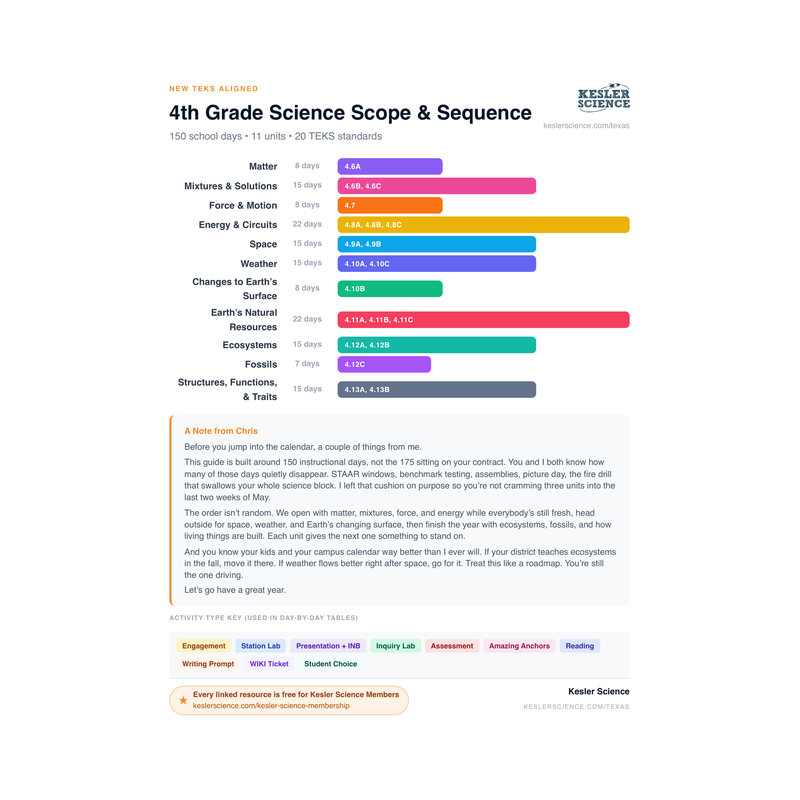
100% Aligned Lessons for Every TEKS You Teach
Kesler Science Plus puts thousands of ready-to-teach lessons and activities in your hands, so you can boost engagement and get your planning time back. Trusted by schools and districts all over the great state of Texas.
🌎 Phenomenon Ideas for 4.6B
Use these real-world phenomena to anchor your lesson. Show students the phenomenon first, let them wonder, then build toward Mixtures & Solutions as the explanation.
The Disappearing Sugar
Pour clear water into a clear cup. Drop in a sugar cube. The cube sits on the bottom for a minute, then starts shrinking. Stir gently and the cube vanishes. The water still looks completely clear. The kids will swear the sugar is gone. Hand one student a clean spoon and let them taste a drop. The water is sweet. The sugar is right there. They just can't see it anymore.
"Where did the sugar go? If you can taste it but you can't see it, is it a mixture or did it actually disappear?"
Oil and Water Refuse to Cooperate
Half-fill a clear bottle with water. Add a few drops of food coloring so the water is bright red. Pour vegetable oil in until the bottle is almost full. Cap it tight. Shake it up like crazy for ten seconds, then set it on the desk. For the first second it looks blended. Then the oil starts pulling back together and rising to the top. Within a minute, you've got two clear layers again, every time.
"Both oil and water are liquids. Why won't they make a solution? What does this tell us about the difference between a regular mixture and a solution?"
Two Cups, One Surprise
Set up two identical clear cups of water. Add a tablespoon of sugar to cup 1 and a tablespoon of sand to cup 2. Stir both cups for thirty seconds. Set them down. Five minutes later, cup 1 still looks like clear water (the sugar dissolved into a solution). Cup 2 has clear water on top with a pile of sand on the bottom (the sand is still there, separated again).
"Both cups had a solid stirred into water. Why did one make a solution and the other one didn't? How could you tell the difference just by looking?"
💡 Free Engagement Ideas for 4.6B
Ready-to-run activities you can drop straight into a lesson. Where one of these looks like a phenomenon from the section above, that is on purpose: show it first as the hook, then let students run it themselves.
Six-Cup Solubility Test
Set out six clear cups of water at every table. Each cup gets a different mix-in: sugar, salt, sand, food coloring, vegetable oil, baking soda. Each kid stirs all six and records two things on a chart: "Did it disappear?" (yes/no) and "Solution or mixture?" The data sheet at the end is a side-by-side comparison of six mixtures, exactly what the standard asks for.
Sort the Mixture Cards
Give every table a stack of 12 mixture cards (lemonade, salad, trail mix, salt water, oil and water, Kool-Aid, sand and water, vinegar and water, soup, granola, sweet tea, dirt and water). Two columns on the wall: SOLUTION and MIXTURE-but-not-a-solution. Kids take turns walking up and posting cards under the right header, explaining why. Tricky cases like soup and lemonade lead to the best debates.
Speed-Dissolve Race
Three identical cups, three sugar cubes. Cup 1 is cold water (no stirring). Cup 2 is cold water (with stirring). Cup 3 is warm water (with stirring). Drop one cube in each cup at the same time. Time how long until each cube fully dissolves. Bar graph the results. Connects directly to "investigate" because kids are running a controlled comparison and recording data.
Make a Color Solution
Give every kid a clear cup, a small bottle of water, and a single drop of red food coloring. They watch the drop swirl down through the water without stirring, like a tiny tornado. Then they stir gently and watch the color spread evenly until the whole cup is light pink. Then everyone draws what they saw at three stages (drop, swirling, full solution) and labels each one.
🎯 What Approaches, Meets, and Masters Thinking Look Like
Here is what student thinking at each level looks like on this one task, so you know what to look for and how to move a student up.
A student has two clear cups, each filled with the same amount of water. She stirs a spoonful of sugar into the first cup. She stirs a spoonful of sand into the second cup. Investigate what happens in each cup, then compare them. Tell which cup is a solution and which one is just a mixture, and explain how you know.
- A clear observation of each cup, not just one (what happened to the sugar and what happened to the sand).
- The sugar cup described as clear, with the sugar spread out so you cannot see the pieces anymore.
- The sand cup described as cloudy, with the sand sinking to the bottom and staying separate.
- The sugar cup named as a solution and the sand cup named as a mixture that is not a solution.
- The idea that dissolving spreads the sugar out evenly, instead of saying the sugar is gone.
- A comparison that uses what they saw to explain the difference (dissolved and invisible vs. stayed separate).
- Knowing that both cups are mixtures, but only the sugar cup is a solution. That is the easiest place to slip.
The sugar mixed in and the water looks clear. The sand did not mix, it went to the bottom. The sugar cup is a solution. Both cups are solutions because I mixed stuff into the water.
In the first cup the sugar dissolved. The water stayed clear and I could not see any sugar pieces. In the second cup the sand turned the water cloudy, but then the sand sank to the bottom and I could still see it. The sugar cup is a solution because the sugar spread out and disappeared into the water. The sand cup is a mixture but it is not a solution, because the sand did not dissolve. It stayed separate.
The sugar cup is a solution because the sugar dissolved. The pieces got so small and spread out so evenly that I cannot see them anymore, but the sugar is still there. If I let the water dry up, the sugar would come back. The sand cup is a mixture but not a solution, because the sand never dissolved. It stayed in chunks and sank, so I can still see it.
So the real question is not just did it mix. It is, did the stuff dissolve and spread out so I cannot see it. That is how I know lemonade is a solution too. The lemon powder dissolves and the drink looks the same all the way through, but iced tea with the leaves still floating in it would just be a mixture, not a solution.
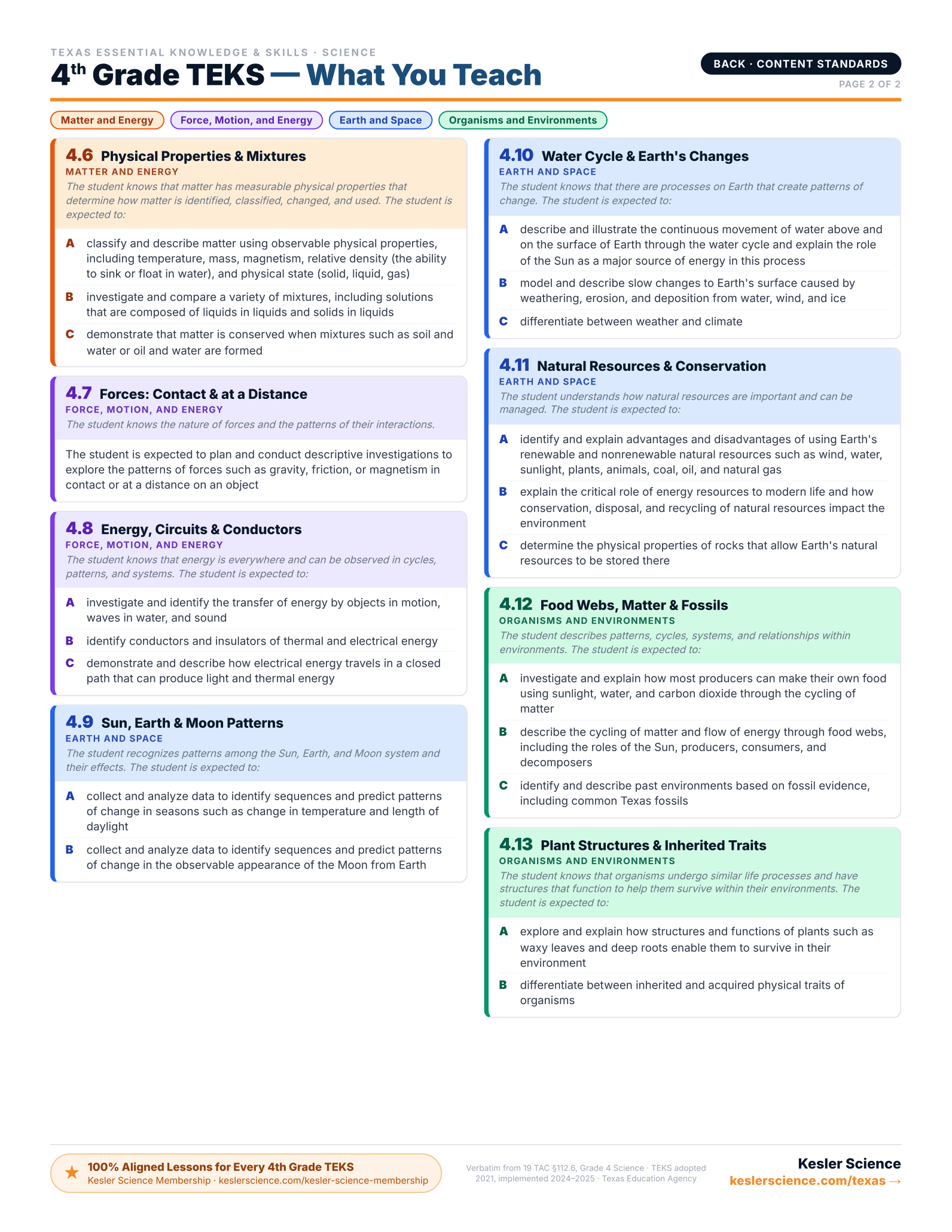
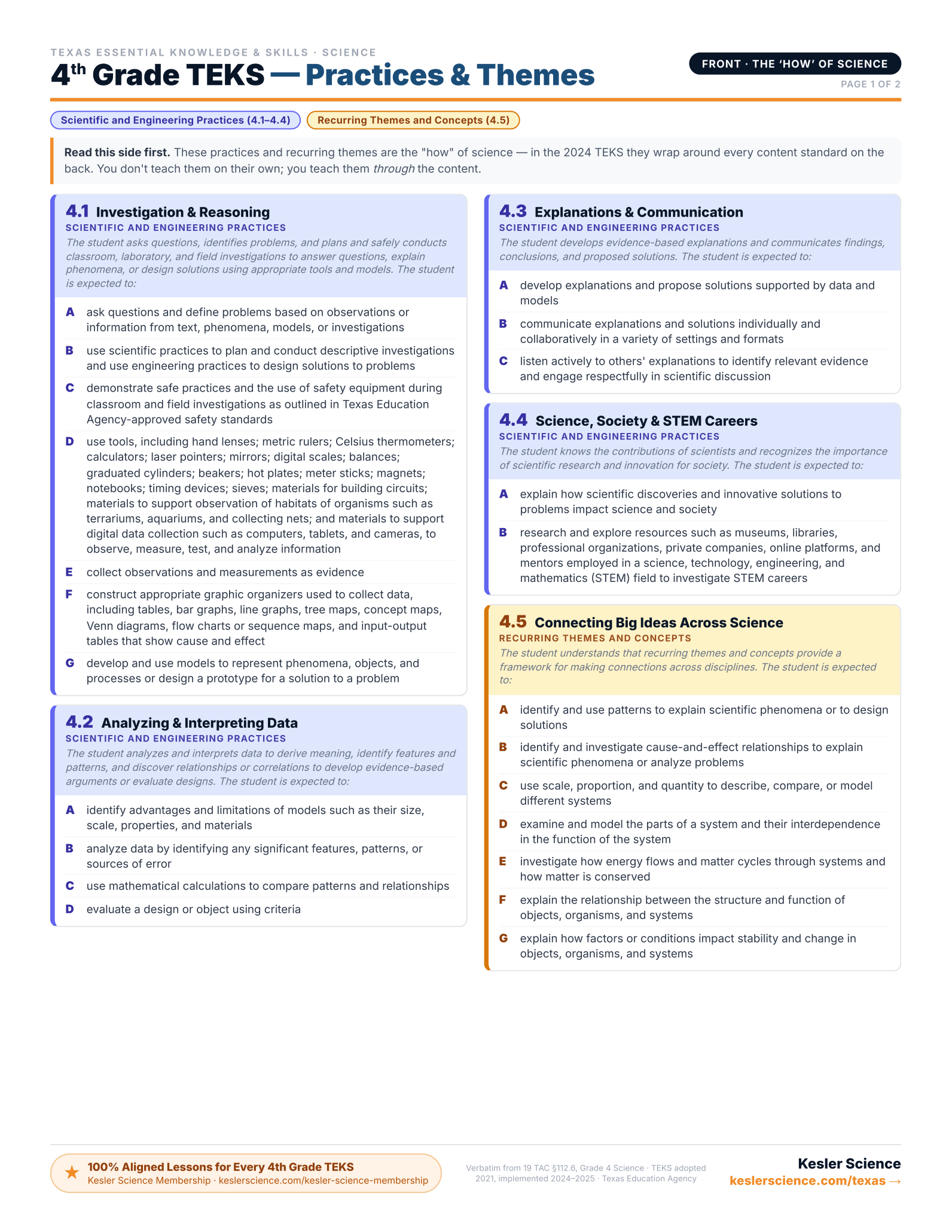
Every 4th-Grade Science TEKS on One Page
The color-coded, front-and-back cheat sheet I wish I'd had — every standard, organized by reporting category. Print it and reference it all year long. This will be your new favorite document!
Trusted Across Texas
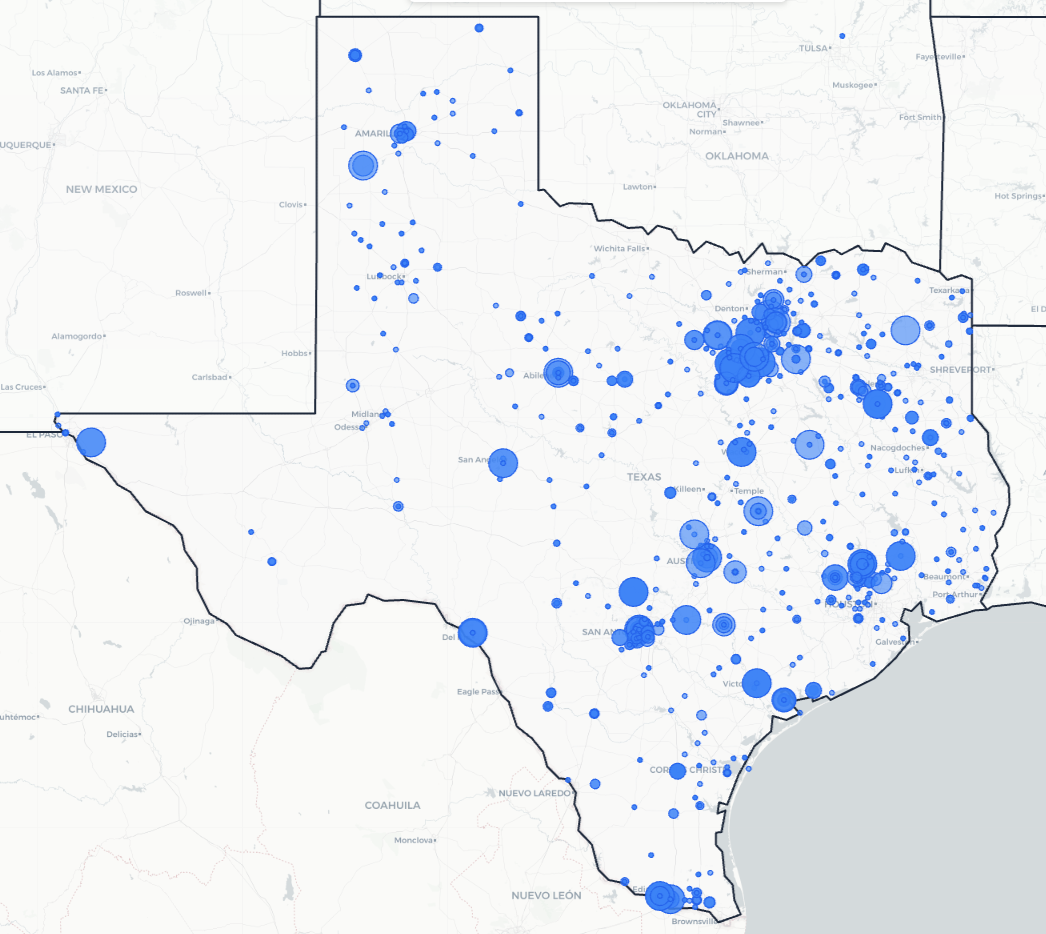
From the Rio Grande Valley to the Panhandle, Texas science teachers are using Kesler Science to save time and engage students.
Texas Schools and Districts
Love Kesler Science
What Teachers Are Saying
Give Your Science Teachers Everything They Need
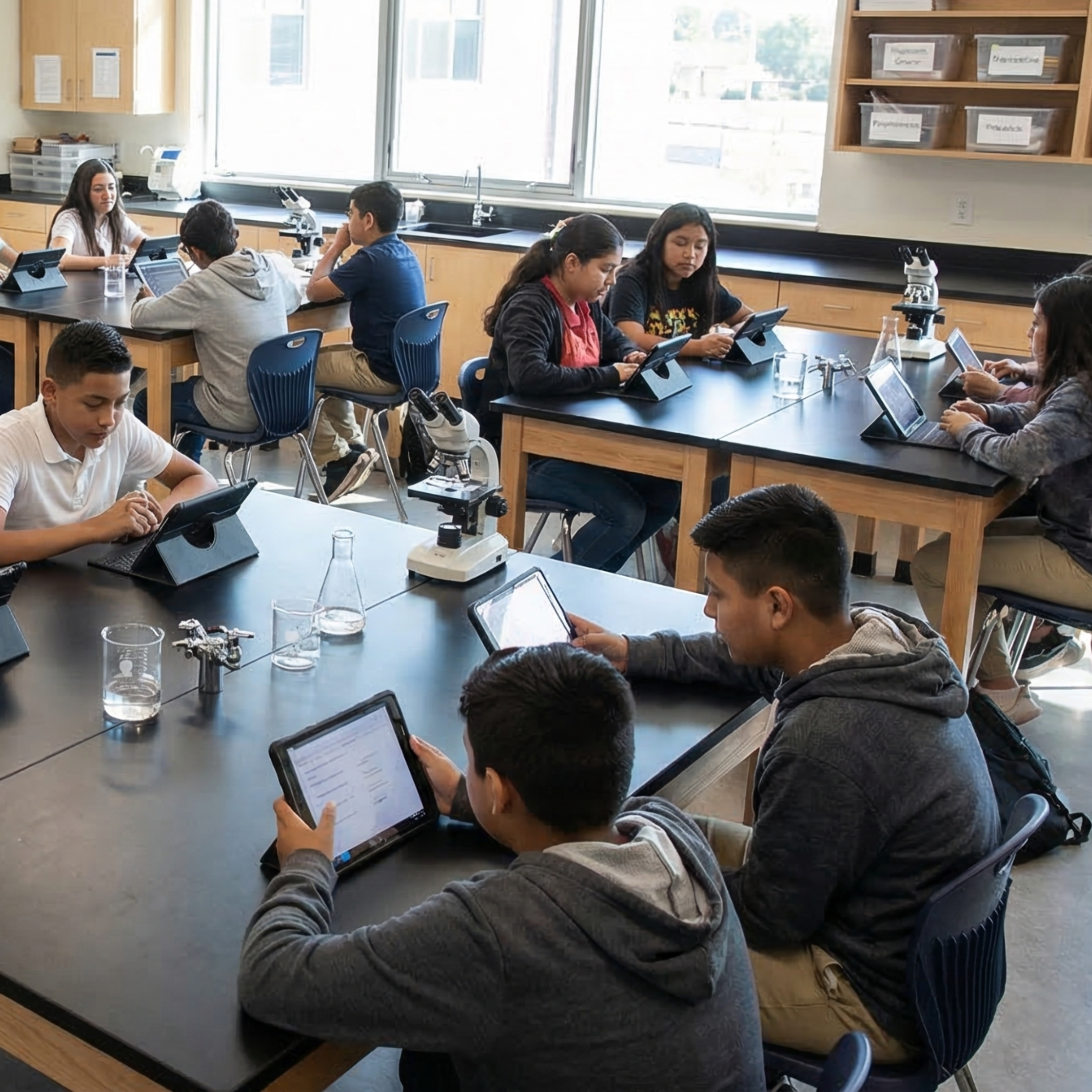
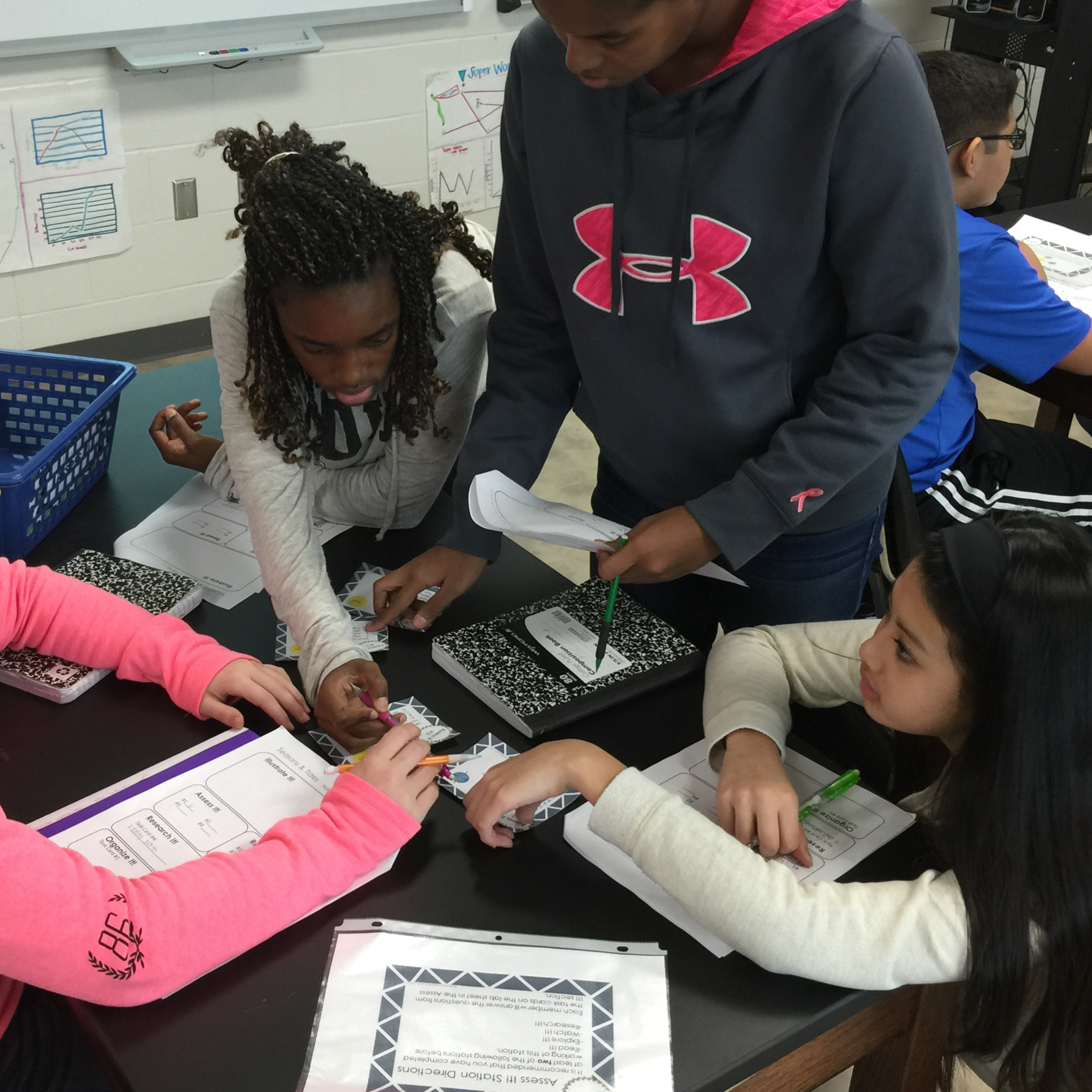
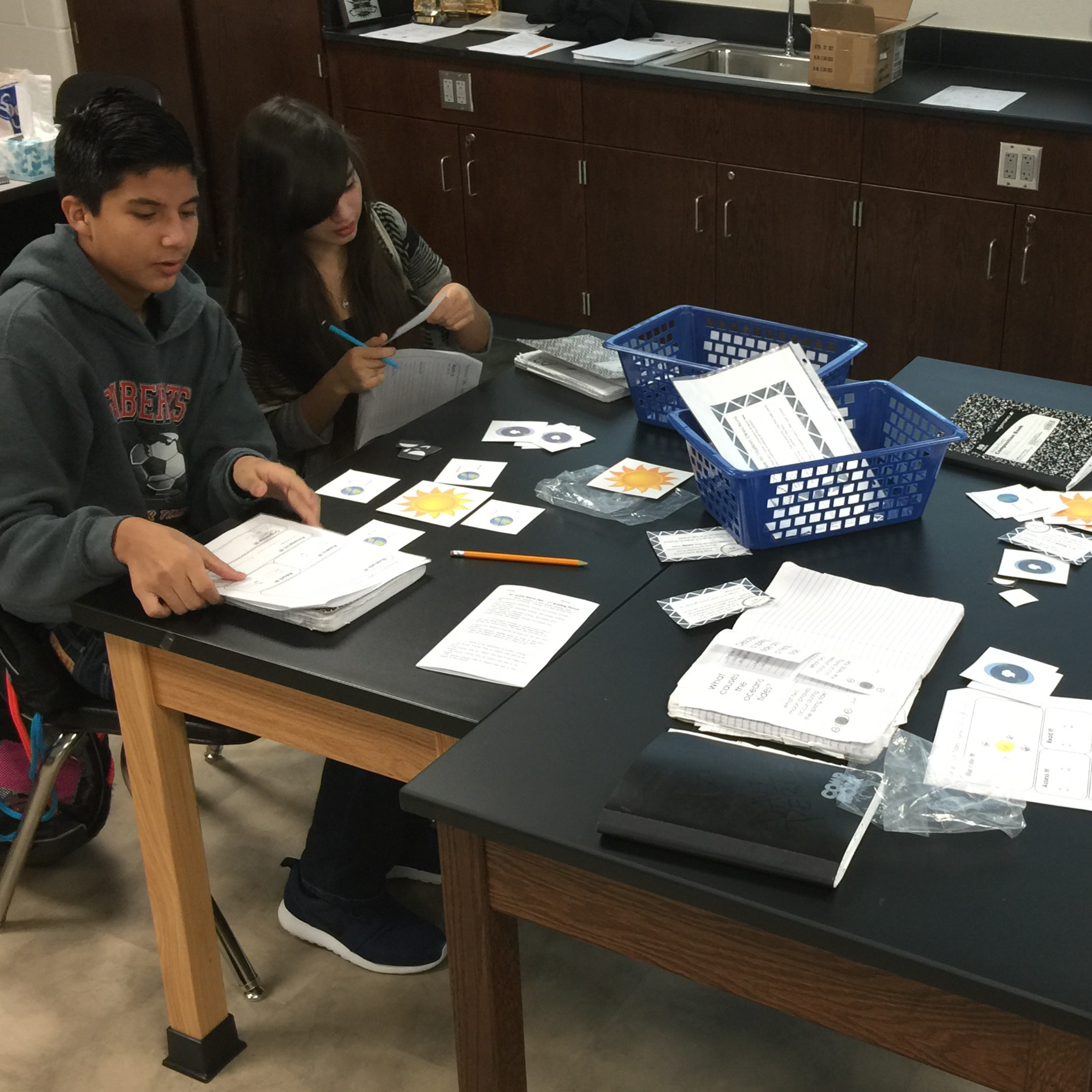
School and district licenses give your teachers access to every resource they need, including station labs, inquiry labs, anchoring phenomena, presentations, escape rooms, and much more. One purchase covers the grade levels you need.
- PO-friendly. We accept purchase orders
- Volume discounts for 11+ teachers
- Complimentary Kesler Science Plus orientation for 4+ teachers
- Three free implementation PD sessions for departments of 11+
- Aligned to the 2024 TEKS standards
See It in Action
Book a walkthrough and we'll show you how Kesler Science fits your campus.
Book Demo CallNo pressure, no hard sell