.png?width=375&height=100&name=WebPage%20logo%20with%20curves%202026%20(8).png)
Food Webs & Energy Flow
"Describe the cycling of matter and flow of energy through food webs, including the roles of the Sun, producers, consumers, and decomposers; and"
💡 What This Standard Actually Means
"Describe". Fourth graders are explaining how matter and energy move through a food web. The TEKS gives you the four roles to cover: the Sun (the original energy source for everything), producers (plants that make their own food using sunlight), consumers (animals that eat plants or other animals), and decomposers (organisms like fungi and worms that break down dead stuff and recycle it back into the soil). Energy flows in one direction (Sun → producer → consumer). Matter cycles in a loop (decomposers return matter to the soil where new producers use it again).
Every animal, plant, and tiny living thing in an ecosystem is connected through food. 4.12B is the standard where 4th graders learn how energy and matter move through those connections. The TEKS specifically calls out four roles, and each one has a job.
The Sun is where it all starts. The Sun's energy gets captured by producers (plants), which use it to make food. Then consumers (animals) eat the plants and get the energy. Some consumers eat other consumers, and the energy keeps moving up the chain. When any of those plants or animals die, decomposers (mushrooms, bacteria, worms, beetles) break down the dead remains and return the matter to the soil. New producers use that recycled matter to grow, and the whole thing starts over.
Two big ideas are happening at once. The flow of energy goes one direction: from the Sun, into producers, then into consumers. The cycling of matter goes in a loop: from soil, into producers, into consumers, into decomposers, and back to the soil. Energy gets used up as it moves up. Matter gets recycled forever. By the end of this unit, kids should be able to draw a food web (not just a single straight chain), label every organism with its role, and trace where the energy started AND where the matter eventually ends up.
The way I'd teach food webs is with yarn. Tape an index card on every kid's chest, one card for each part of the web: grass, oak tree, deer, hawk, snake, mouse, mushroom, worm, and one card for the Sun. Hand the Sun kid a ball of yarn. Sun passes it to all the producers (the plants). Each plant passes it to whatever consumes it. Consumers pass it on to whatever eats them. Decomposers eventually get the yarn from anyone who "dies." Within five minutes, the room is a giant tangled spiderweb of yarn connecting everything to everything else. THAT is a food web. From there, unwind it carefully and have kids identify which yarn lines were "energy moving up" and which were "matter being recycled by decomposers." The TEKS asks for both flow of energy AND cycling of matter, so make sure both ideas show up in the activity. Don't let kids leave thinking food webs are just one straight chain.
⚠️ Misconceptions Your Students May Have
These are some of the most common misconceptions. Knowing what to look for can help you get ahead of them.
"A food chain is the same as a food web"
A food chain is a single straight line: grass → mouse → snake → hawk. A food web is a whole network of overlapping chains. The mouse doesn't only eat grass. It also eats seeds. The hawk doesn't only eat snakes. It also eats mice and rabbits. A food web shows all those connections at once. The TEKS says "food webs," not "food chains," for a reason.
"Decomposers aren't important"
Decomposers are essential. Without them, dead plants and animals would pile up forever and the matter inside them would never get recycled. Mushrooms, bacteria, worms, and beetles break down the dead stuff and return nutrients to the soil. New plants grow using those nutrients. No decomposers, no matter cycle, and the whole ecosystem stops working.
"Energy gets recycled like matter does"
Matter gets recycled. Energy doesn't. Energy flows in one direction: from the Sun to producers to consumers. As energy moves up the chain, a lot of it gets used up by the organism (for moving, breathing, growing) and turns into heat. That energy doesn't loop back. New energy keeps coming in from the Sun every day, which is why the system keeps running.
"The Sun isn't part of a food web"
The Sun is the start of almost every food web on Earth, and of every food web your fourth graders will study. Without the Sun's energy, plants couldn't make food, animals couldn't eat plants, and the whole system would have no energy source. The TEKS specifically lists the Sun as one of the four roles in a food web, alongside producers, consumers, and decomposers.
Teacher note: if a kid brings up the deep ocean, they are onto something real. A few food webs down at hot vents on the sea floor run on chemicals from inside the Earth instead of sunlight. That is 7th grade material, so a nod is plenty, but do not tell them they are wrong.
📓 Teaching Resources for 4.12B
These resources are aligned to this standard.


100% Aligned Lessons for Every TEKS You Teach
Kesler Science Plus puts thousands of ready-to-teach lessons and activities in your hands, so you can boost engagement and get your planning time back. Trusted by schools and districts all over the great state of Texas.
🌎 Phenomenon Ideas for 4.12B
Use these real-world phenomena to anchor your lesson. Show students the phenomenon first, let them wonder, then build toward Food Webs & Energy Flow as the explanation.
The Apple's Journey
Hold up an apple. Ask: "Where did the energy in this apple come from?" Most kids will say "the tree." Push them: where did the tree get the energy? Eventually you trace it back: the Sun gave the tree energy, the tree made the apple, you ate the apple, your body uses the energy. Every bite of food a person takes is sunlight, repackaged. That's the flow of energy.
"How can the Sun's energy end up inside an apple? How can it end up inside YOU? Trace the path step by step."
The Forest Floor Mystery
Show a photo of a Texas forest floor in fall. Leaves are piled up everywhere. Ask: "Where does all this go?" If leaves never broke down, the forest would be buried under thousands of years of dead leaves. Show another photo of the same forest floor in summer. The leaves are gone. Mushrooms, worms, and bacteria broke them down and returned the matter to the soil. New plants used that matter to grow. The cycle keeps running.
"Why isn't the forest piled five feet deep with old leaves? Who's doing the cleanup work? Why is that work essential to the whole food web?"
The Texas Backyard Web
Project a picture of a Texas backyard with grass, an oak tree, a squirrel, a hawk, a snake, a mouse, and some mushrooms in the dirt. Ask the kids to draw arrows showing who eats what. Within a few minutes, the diagram has arrows going every which way: hawk eats snake, hawk eats mouse, snake eats mouse, mouse eats grass, mushrooms break down dead leaves. That tangled mess of arrows is a food web. Now ask: "Where does the SUN show up on this picture?" Every arrow can be traced back to it.
"Why does this look like a web instead of a straight line? What would happen if the grass disappeared? What would happen if the mushrooms disappeared?"
💡 Free Engagement Ideas for 4.12B
Ready-to-run activities you can drop straight into a lesson. Where one of these looks like a phenomenon from the section above, that is on purpose: show it first as the hook, then let students run it themselves.
Yarn Food Web
Tape a food web card on every kid's chest: producers (oak tree, grass, sunflower), consumers (deer, mouse, hawk, snake, rabbit, owl), decomposers (mushroom, worm, beetle), and one Sun. The Sun starts with a ball of yarn. Pass it to the producers. They pass it to whoever eats them. Continue until everything in the room is connected. Then have decomposers explain how they recycle the matter back. Real, physical food web in 10 minutes.
Sun → Soil Loop Diagram
Each kid draws a circle on a piece of paper. Around the circle, they place four labels in order: SUN at top, PRODUCERS, CONSUMERS, DECOMPOSERS. In one color they draw the flow of energy: from the Sun to the producers, on to the consumers, and on to the decomposers. In a second color they draw the cycling of matter: from producers to consumers, from consumers to decomposers, and from decomposers back to producers. Then have them hold the papers up. The difference should be visible from across the room: the matter arrows close into a full loop and the energy arrows do not, because energy comes in from outside the circle at the Sun and never comes back around. Forces them to show both processes the TEKS asks for, and the shape of the two arrow sets is the lesson.
Role Card Sort
Print 30 cards: one Sun card plus 29 organisms (a mix of plants, animals, fungi, and bacteria). Kids sort them into four columns: SUN (just one card), PRODUCERS, CONSUMERS, DECOMPOSERS. Add a twist: some consumers eat producers (herbivores), some eat other consumers (carnivores), and some eat both (omnivores). Let kids subdivide their consumer column into all three. Real ecological vocabulary applied to real organisms.
Build-a-Web Challenge
Each group gets 12 Texas organism cards (oak tree, grass, sunflower, deer, mouse, owl, snake, hawk, rabbit, mushroom, worm, beetle). They lay them out and use string or arrows on butcher paper to connect every organism to whatever eats it (or whatever decomposes it). Each group then walks another group through their web, using the words "producer," "consumer," and "decomposer" at least once each.
🎯 What Approaches, Meets, and Masters Thinking Look Like
Here is what student thinking at each level looks like on this one task, so you know what to look for and how to move a student up.
A meadow food web has grass, grasshoppers, mice, hawks, and mushrooms living in the soil. The Sun shines on the meadow. Use this food web to describe how energy moves through it and how matter moves through it. Be sure to tell what job the Sun, the grass, the animals, and the mushrooms each do.
- The Sun named as the starting energy source for the whole food web.
- Grass named as a producer that makes its own food using sunlight.
- The grasshopper, mouse, and hawk named as consumers that eat to get energy.
- The mushrooms named as decomposers that break down dead plants and animals.
- Energy traced in the right order: Sun, then grass, then the animals that eat.
- An explanation that the mushrooms return matter to the soil, where new grass can use it again.
- Energy and matter kept separate: energy flows one way and gets used up, but matter cycles back around. That is the easiest place to slip.
The Sun gives light. The grass is a producer. The grasshopper, mouse, and hawk are consumers because they eat. The mushrooms are decomposers that break down dead stuff. The energy goes from the Sun to the grass to the animals, and then the mushrooms send the energy back to the soil so the grass can use the same energy again, like a circle.
The Sun is where the energy starts. The grass is a producer because it uses sunlight to make its own food. The grasshopper eats the grass, the mouse eats the grasshopper, and the hawk eats the mouse, so they are consumers getting energy by eating. The energy flows one way: Sun, grass, then the animals. The mushrooms are decomposers. When plants and animals die, the mushrooms break them down and put the matter back in the soil. New grass uses that matter to grow. So the matter goes in a loop, but the energy keeps coming from the Sun.
The Sun starts the energy. Grass is a producer that turns sunlight into food. The grasshopper, mouse, and hawk are consumers that get energy by eating. The mushrooms are decomposers that break down dead things and return the matter to the soil for new grass. Energy flows one way and gets used up as the animals move and grow, which is why the Sun has to keep adding new energy. Matter does not get used up, it just keeps cycling around.
This is why a sealed jar garden can keep going for a long time. The matter inside, like the water and the bits from dead leaves, keeps getting recycled by tiny decomposers, so it never runs out. But the jar still has to sit by a window, because the plants need new sunlight every day. The matter can stay locked inside the jar, but the energy always has to come in fresh from outside.
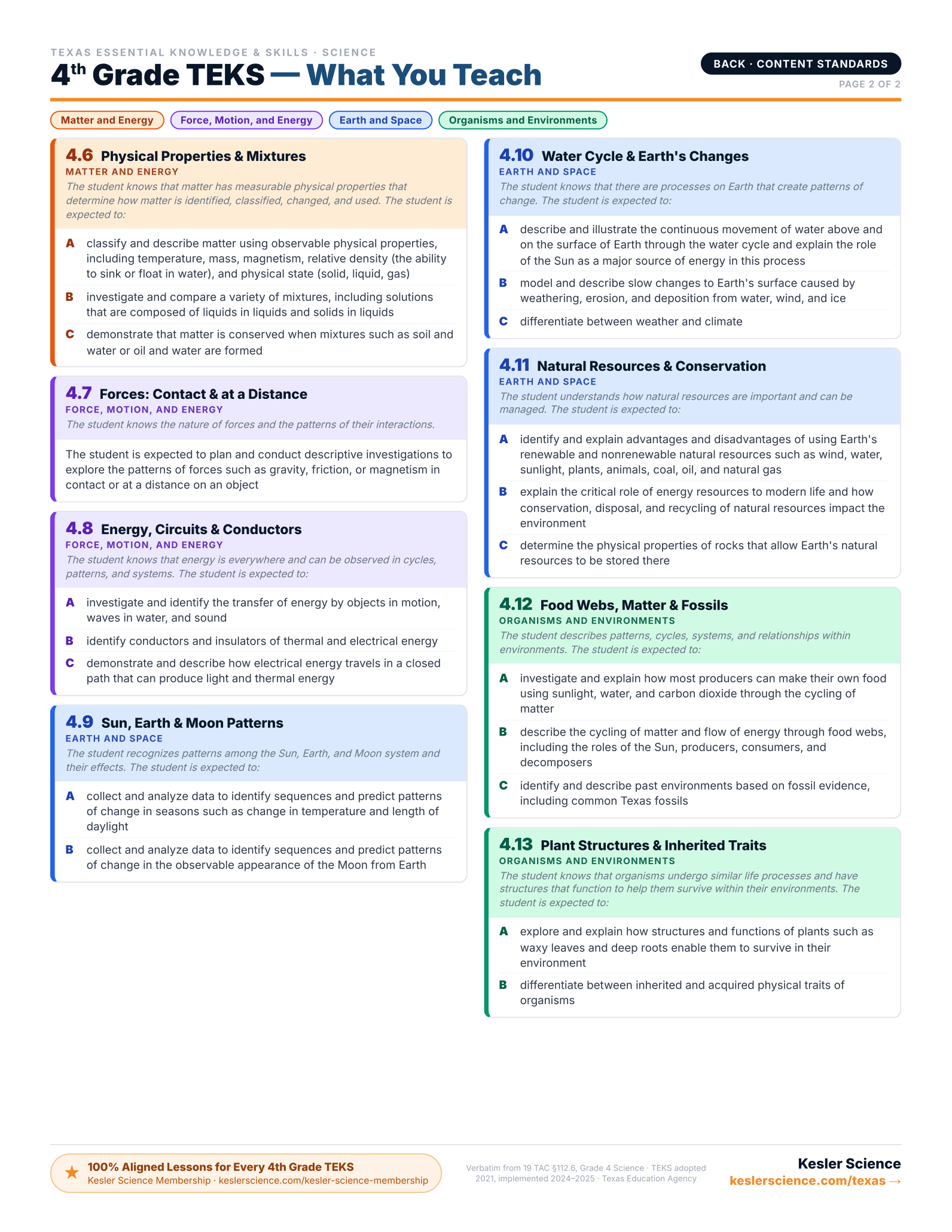
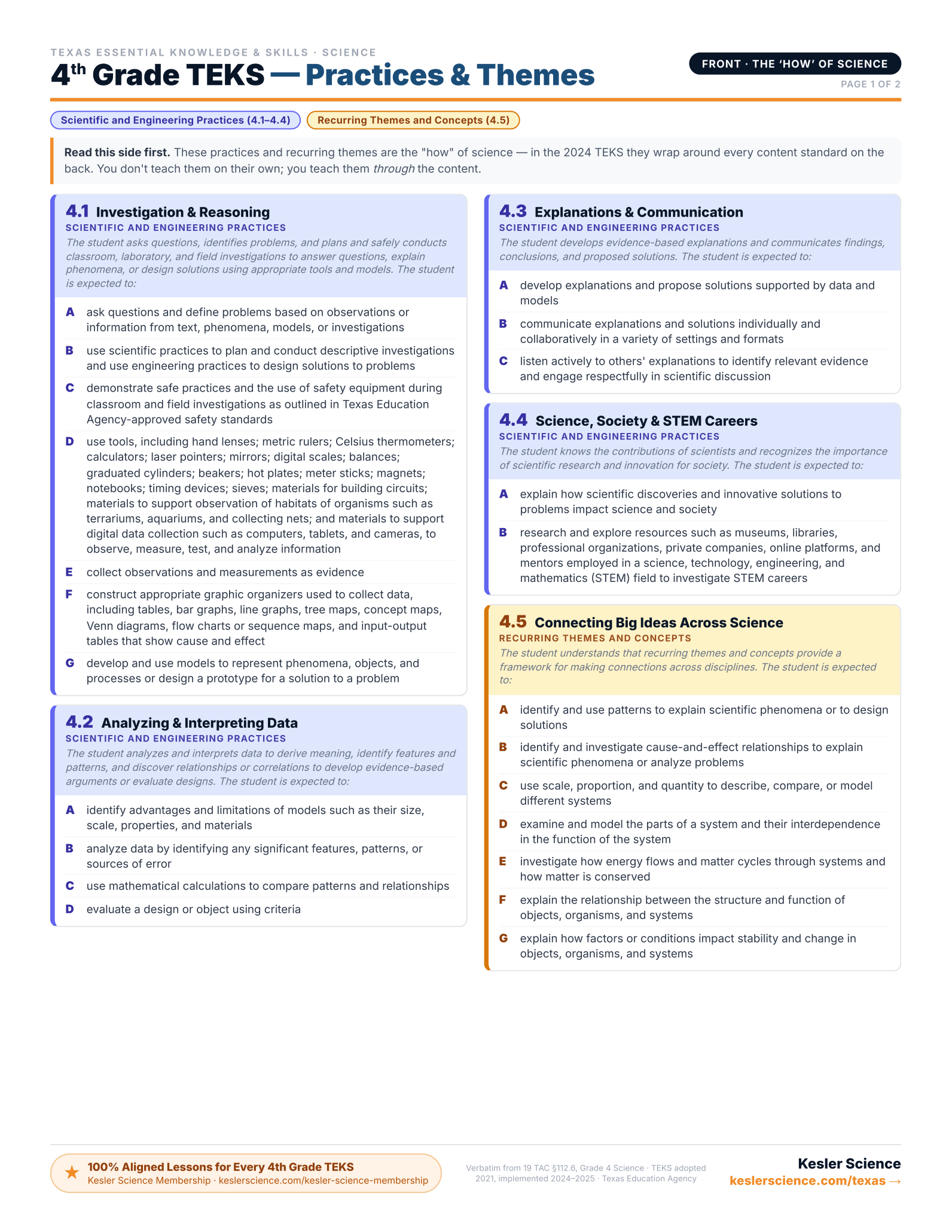
Every 4th-Grade Science TEKS on One Page
The color-coded, front-and-back cheat sheet I wish I'd had — every standard, organized by reporting category. Print it and reference it all year long. This will be your new favorite document!
Trusted Across Texas
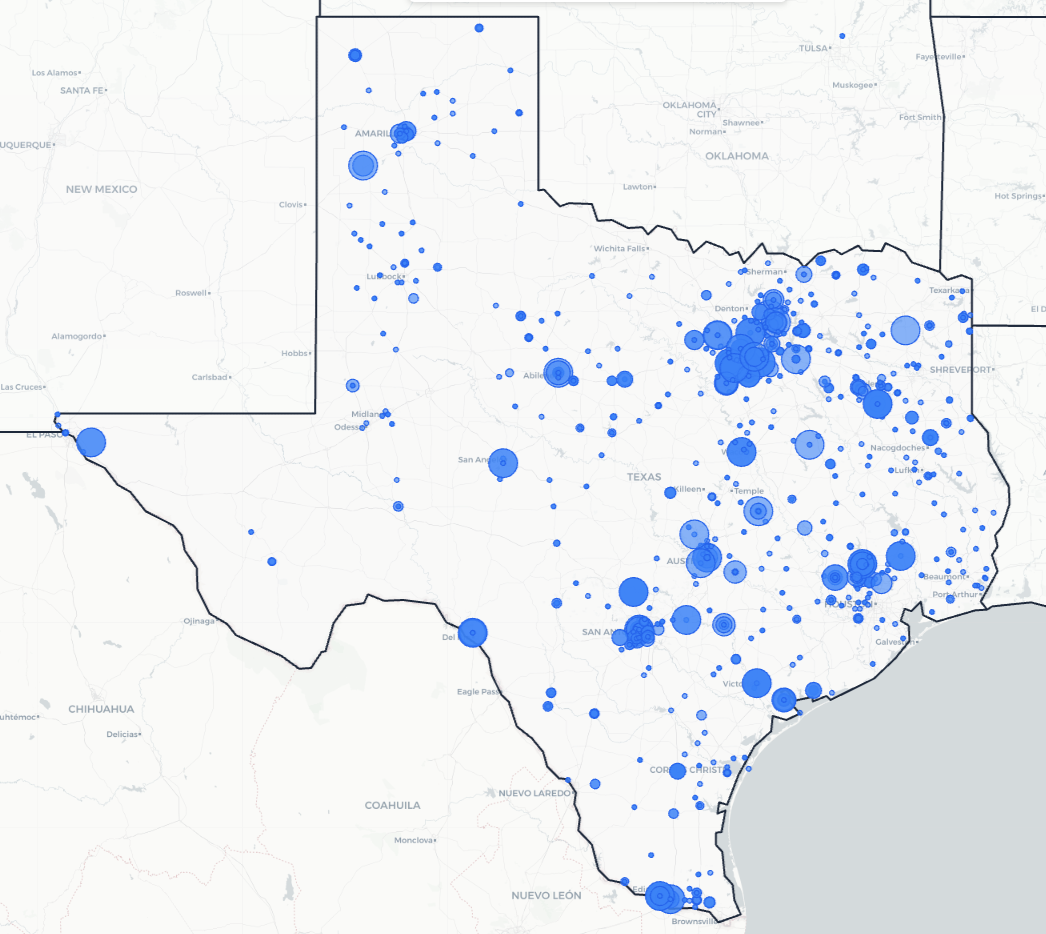
From the Rio Grande Valley to the Panhandle, Texas science teachers are using Kesler Science to save time and engage students.
Texas Schools and Districts
Love Kesler Science
What Teachers Are Saying
Give Your Science Teachers Everything They Need
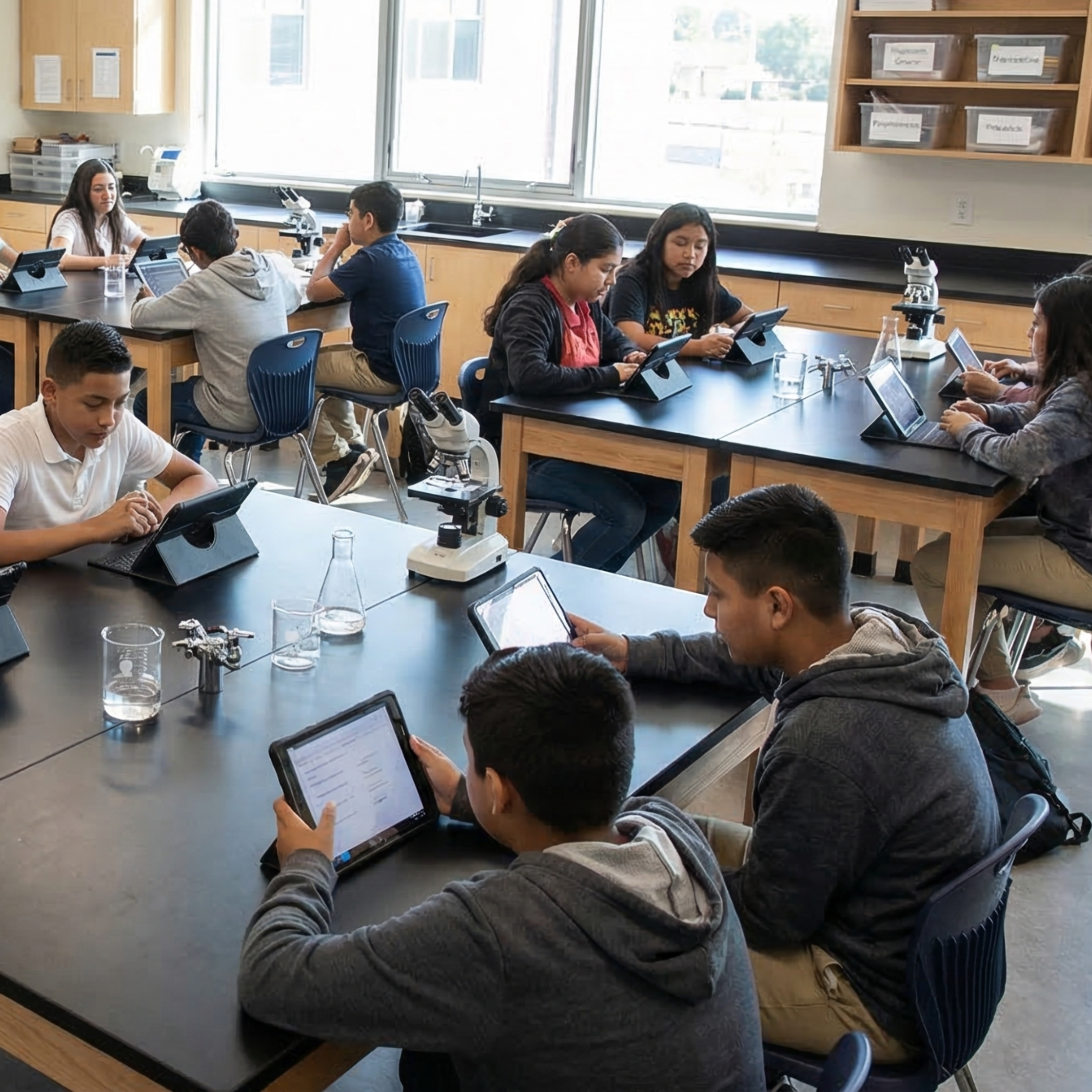
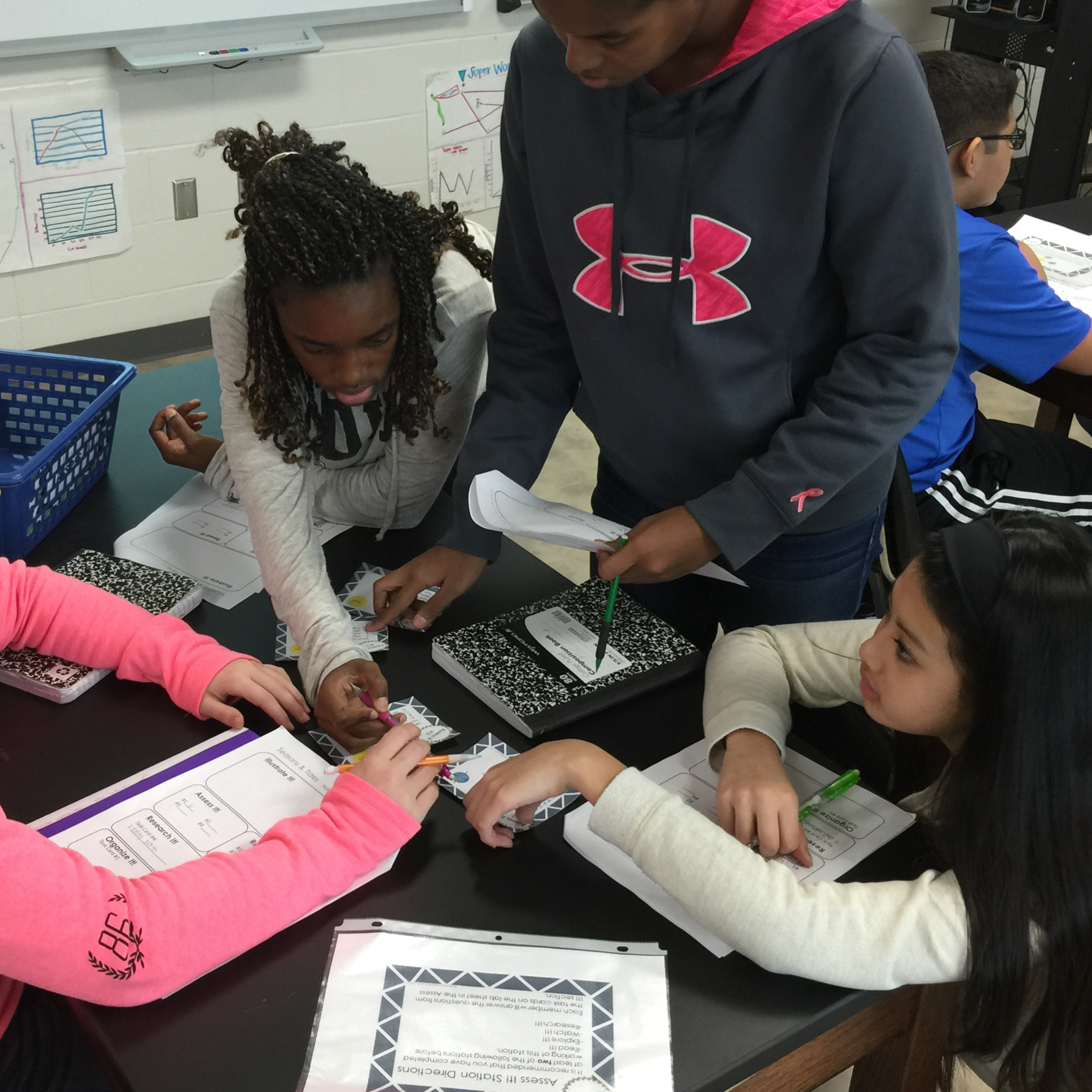
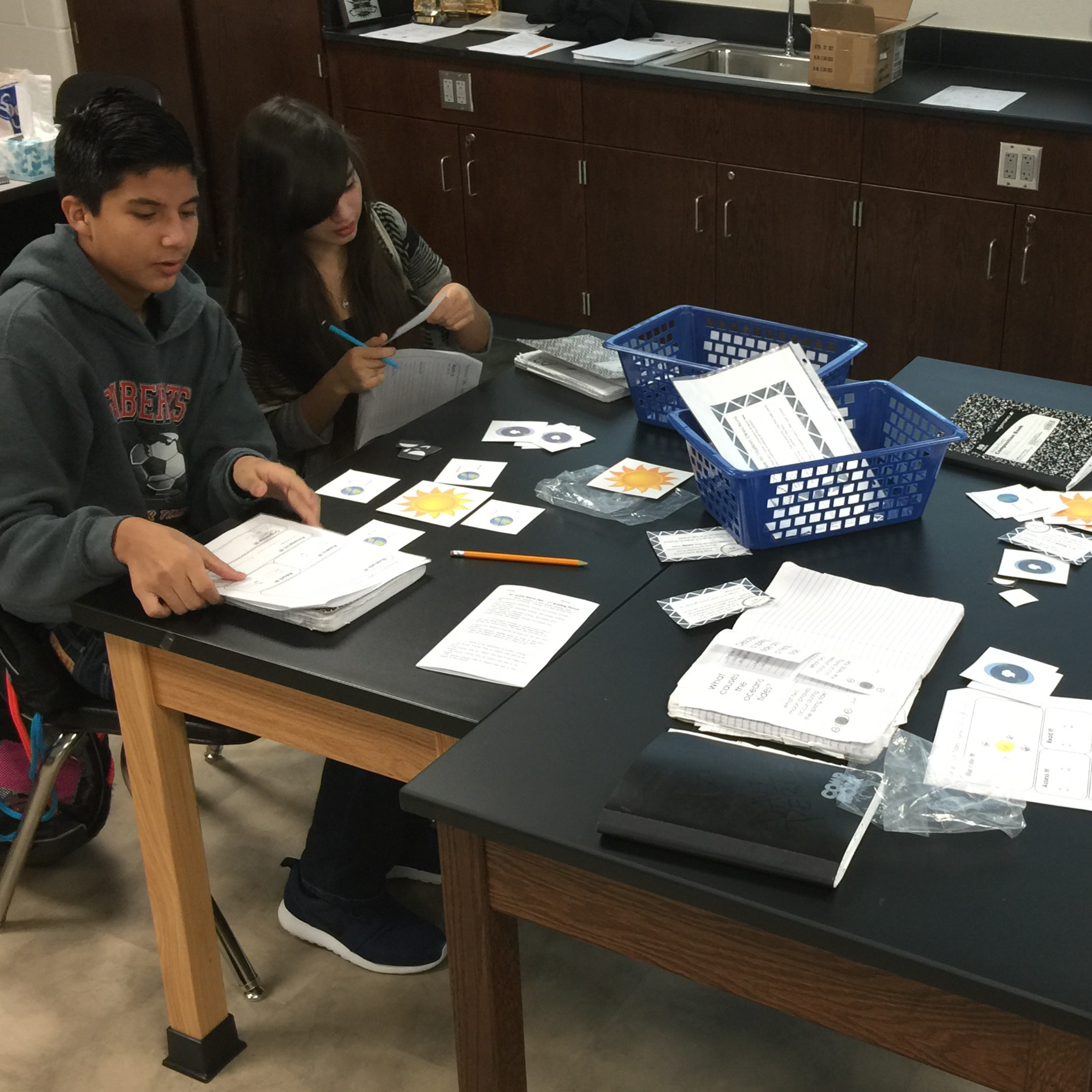
School and district licenses give your teachers access to every resource they need, including station labs, inquiry labs, anchoring phenomena, presentations, escape rooms, and much more. One purchase covers the grade levels you need.
- PO-friendly. We accept purchase orders
- Volume discounts for 11+ teachers
- Complimentary Kesler Science Plus orientation for 4+ teachers
- Three free implementation PD sessions for departments of 11+
- Aligned to the 2024 TEKS standards
See It in Action
Book a walkthrough and we'll show you how Kesler Science fits your campus.
Book Demo CallNo pressure, no hard sell