.png?width=375&height=100&name=WebPage%20logo%20with%20curves%202026%20(8).png)
Behavioral Traits
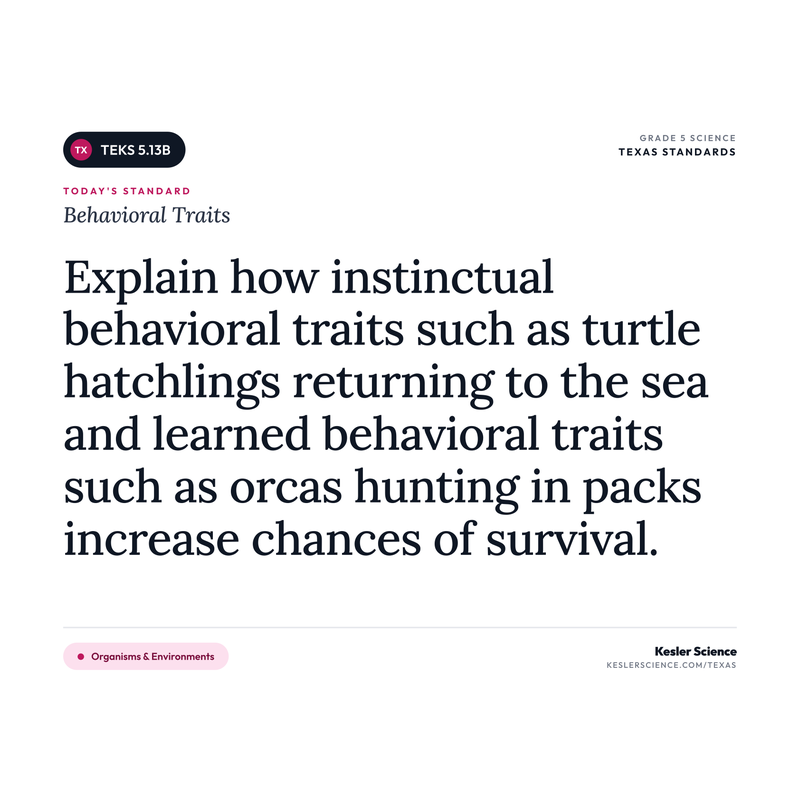
"Explain how instinctual behavioral traits such as turtle hatchlings returning to the sea and learned behavioral traits such as orcas hunting in packs increase chances of survival."
💡 What This Standard Actually Means
"Explain". Students explain how two different kinds of behaviors help animals survive. The TEKS draws a sharp distinction. Instinctual behaviors are behaviors animals are born knowing how to do without being taught. The standard's anchor example: turtle hatchlings returning to the sea. Baby sea turtles dig their way out of sand nests at night and crawl straight toward the brightest horizon, which is the ocean. Nobody taught them. They just know. Learned behaviors are behaviors animals have to be taught or figure out through experience. The standard's anchor example: orcas hunting in packs. Young orcas learn complex hunting strategies from their mothers and pod members over years of practice. Both types of behavior help organisms survive. The instinctual/learned distinction is the load-bearing concept.
Animals do all kinds of things to survive. They hunt, hide, migrate, build nests, raise babies, and avoid danger. Some of these behaviors are instinctual, which means animals are born knowing how to do them. Others are learned, which means animals have to be taught or figure them out through experience. Both kinds increase an animal's chances of staying alive.
Instinctual behaviors are built in from birth. The TEKS gives the perfect example: a baby sea turtle hatches out of an egg buried in beach sand, breaks through the surface, and immediately starts crawling toward the ocean, even though it has never seen the ocean and was never taught what to do. The behavior is hardwired. Other examples include a spider building a web (no spider ever attended web-building school), a bird building a nest, and a baby kangaroo crawling into its mother's pouch right after birth. These behaviors don't need to be taught.
Learned behaviors are different. Animals figure them out through practice, watching others, or being taught. The TEKS gives the perfect example: orcas hunting in packs. Young orcas don't know how to hunt seals or fish in coordinated groups when they're born. They watch their mothers and pod members for years, slowly learning the techniques. Different orca pods even have their own hunting styles and sound patterns because the learning passes down within each pod. Other learned behaviors include a chimp learning to use a stick to fish for termites, a dog learning to sit when called, and a young hawk learning to time its dives.
The takeaway: both kinds of behaviors increase survival, but they get there in different ways. Instinct doesn't need a teacher. Learning needs experience. Real animals usually use a mix of both. By the end of the unit, kids should be able to look at any animal behavior and say, "Was this animal born knowing how to do this, or did it have to learn? How does that behavior help it stay alive?"
The way I'd make instinct vs. learned stick is by asking kids about themselves. Try this: "Were you born knowing how to ride a bike?" They laugh and say no, you have to learn. "Were you born knowing how to cry when you were hungry?" They have to think about it. They were. Babies cry from day one. Nobody teaches a newborn to cry. From there, flip to animals. "Were baby sea turtles taught to crawl to the ocean? No, they hatch and just go. That's instinct. Were orcas taught to hunt in packs? Yes, they learn from their pod for years. That's learned." Once they have themselves as the comparison point, they sort animal behaviors easily. The classic moment is when one kid asks, "What about a puppy that already knows how to chase a ball?" That's the gray zone: a puppy might have an instinct to chase moving things, but learning the rules of fetch is on top of that. Real animals mix both, and that's where the conversation gets fun.
⚠️ Misconceptions Your Students May Have
These are some of the most common misconceptions. Knowing what to look for can help you get ahead of them.
"All animal behaviors are instinct"
Lots of animal behaviors are learned, not just instincts. A young orca has to learn the complex hunting techniques used by its pod. A wolf cub has to learn how to hunt with the rest of the wolves. Even pets learn behaviors: a puppy doesn't come knowing how to sit on command or play fetch the way you've taught it. Many of the most complex animal behaviors are learned through years of experience.
"All animal behaviors are learned"
Some behaviors are completely instinctual, meaning the animal is born already knowing how to do them. Sea turtle hatchlings crawl to the ocean without anyone teaching them. Spiders build webs without lessons. Newborn babies (animal or human) cry when they're hungry without being taught. Instinct is built into the animal's biology and shows up the first time it's needed.
"Animals can only do behaviors that help them survive, they can't have wasted behaviors"
Most surviving behaviors really do help animals stay alive, but some behaviors are leftovers from older purposes or only matter occasionally. The reason most animal behaviors fit their environment is that animals with helpful behaviors survive longer and pass those behaviors (and the genes for them, if they're instinctual) to their young. Over thousands of generations, behaviors that don't help tend to fade away.
"Once an animal learns something, all of its species automatically know it too"
Learned behaviors don't pass to other animals automatically. If one orca pod figures out a clever way to hunt, that knowledge doesn't magically transfer to a different pod across the ocean. Instead, the learning gets passed down within the pod over generations because young orcas watch their elders. That's why different pods of the same species can have totally different hunting strategies. Learning is local. Instinct is genetic.
📓 Teaching Resources for 5.13B
These resources are aligned to this standard.


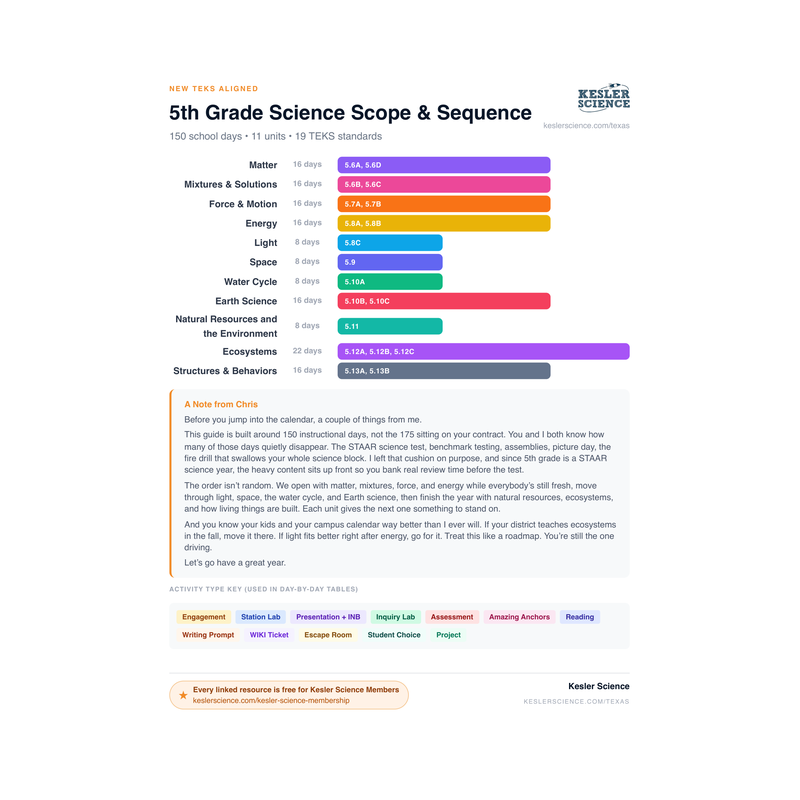
100% Aligned Lessons for Every TEKS You Teach
Kesler Science Plus puts thousands of ready-to-teach lessons and activities in your hands, so you can boost engagement and get your planning time back. Trusted by schools and districts all over the great state of Texas.
🌎 Phenomenon Ideas for 5.13B
Use these real-world phenomena to anchor your lesson. Show students the phenomenon first, let them wonder, then build toward Behavioral Traits as the explanation.
The Hatchlings Run for the Sea
A nighttime video shows a sandy beach in Texas where dozens of tiny sea turtle hatchlings are pushing up out of a buried nest. The babies have just hatched out of their eggs underground for the first time in their lives. They've never seen the ocean. No parent is around to guide them. But every single hatchling immediately starts crawling toward the brightest part of the horizon, which is the ocean reflecting moonlight. They scramble across the sand, dodge crab holes, and reach the water. The behavior is the same every single time, in every nest, all over the world.
"How do baby sea turtles know to head for the ocean if they've never seen it and nobody taught them? What kind of behavior is this? How does it help them survive?"
The Orca Hunt in Patagonia
A documentary clip shows a pod of orcas in Patagonia, Argentina. They are doing something extraordinary: they intentionally beach themselves on the shore to grab seal pups, then wiggle back into the ocean. This hunting technique is rare in the orca world. Only a few pods, in Patagonia and on the Crozet Islands in the southern Indian Ocean, have figured it out. Mother orcas have been teaching their young this dangerous and skilled technique for generations. Young orcas spend years practicing on their own, often making mistakes, before they get good at it. It's not built in. It's taught and learned.
"How do young orcas learn this dangerous hunting technique? Why doesn't every orca pod do it? What kind of behavior is this? How does this learning help the pod survive?"
The Cuckoo Chick's First Job
A cuckoo lays her egg in another bird's nest, then flies off. Days later, the cuckoo chick hatches before the host bird's own eggs hatch. Within hours of being born, blind and naked, the tiny cuckoo wedges itself under the other eggs and shoves them out of the nest one by one. No cuckoo parent ever taught it to do this. The cuckoo chick has never seen another cuckoo. It has no example to copy. Yet every cuckoo chick in the world does the exact same thing, the same way, within hours of hatching. The behavior is built in.
"How does the cuckoo chick know to push the other eggs out if no one taught it? What kind of behavior is this? Compare it to how an orca learns to hunt. What's similar and what's different?"
💡 Free Engagement Ideas for 5.13B
Ready-to-run activities you can drop straight into a lesson. Where one of these looks like a phenomenon from the section above, that is on purpose: show it first as the hook, then let students run it themselves.
Instinct vs. Learned Sort
Each pair gets a stack of "behavior cards" describing animal actions: spider building a web, dog learning to sit, salmon swimming upstream to spawn, dolphin doing a trick at SeaWorld, baby kangaroo finding the pouch, parrot mimicking human words, bee finding a flower, lion cubs learning to hunt. Students sort each card into "Instinctual" or "Learned" piles and write a one-sentence justification for each. Discussion at the end catches the gray-area ones (lion cubs use both).
Behavior Tracking at the Zoo (or Park)
If a field trip to a zoo or local park is possible, students observe one animal for 15 minutes and record its behaviors. Back at school, they classify each behavior as instinctual or learned. If a field trip isn't possible, use a wildlife documentary or live zoo cam. Each student picks one behavior, writes a paragraph about what kind it is, and explains how it helps the animal survive.
Animal Behavior Comic Strip
Each student picks one animal and draws a 4-panel comic strip showing two behaviors: one instinctual (panel 1-2) and one learned (panel 3-4). They label each panel with the behavior, whether it's instinctual or learned, and how it helps the animal survive. Forces them to think of two different behaviors for the same animal and explain how each one matters.
Compare to a Human Baby
Students brainstorm a list of things human babies do without being taught (cry, suck, grasp, sleep) and a list of things humans have to learn (walking, talking, riding a bike, reading). They build a chart with two columns: instinctual behaviors and learned behaviors. Then they look at the same chart for one animal of their choice. Side-by-side comparison drives home that humans have both kinds, and so do other animals.
🎯 What Approaches, Meets, and Masters Thinking Look Like
Here is what student thinking at each level looks like on this one task, so you know what to look for and how to move a student up.
A young orca learns to hunt seals by watching its mother and the rest of its pod for years. Is this an instinctual behavior (one the orca was born knowing) or a learned behavior (one it had to be taught or figure out)? Explain how you know, and tell how this behavior helps the orca survive.
- A clear answer that names the behavior as either instinctual or learned.
- The correct choice: orca pack hunting is a learned behavior.
- Evidence from the prompt that backs up the choice (the orca had to watch and practice for years, so it was not born knowing).
- A clear explanation of how the behavior helps the orca survive (hunting in a pack lets the orcas catch more food together).
- Correct use of the words instinctual (born knowing) and learned (taught or figured out).
- Telling the difference between this case and a true instinct, instead of calling every animal behavior an instinct. That is the easiest place to slip.
The orca hunting is an instinct. Animals just know how to get food so they can stay alive. Hunting in a pack helps the orca survive because it can catch seals and not be hungry.
This is a learned behavior, not an instinct. I know because the orca had to watch its mom and the pod for years to learn how to hunt. It was not born already knowing how to do it. A behavior you have to practice and be taught is learned. Hunting in a pack helps the orca survive because the orcas work together to catch big food like seals, so they all get enough to eat.
This is a learned behavior. The orca was not born knowing how to hunt. It had to watch its mom and the pod and practice for years. An instinct would show up right away without any teaching, like a baby sea turtle crawling to the ocean the day it hatches. Pack hunting helps the orca survive because the pod works together to catch food that one orca could not catch alone.
The reason I can tell instinct from learning is whether the animal needs experience first. So a baby bird opening its mouth for food the moment it hatches is an instinct, but a young dog learning to come when you call its name is learned, because someone had to teach it. Both kinds help the animal survive, they just get there in different ways.
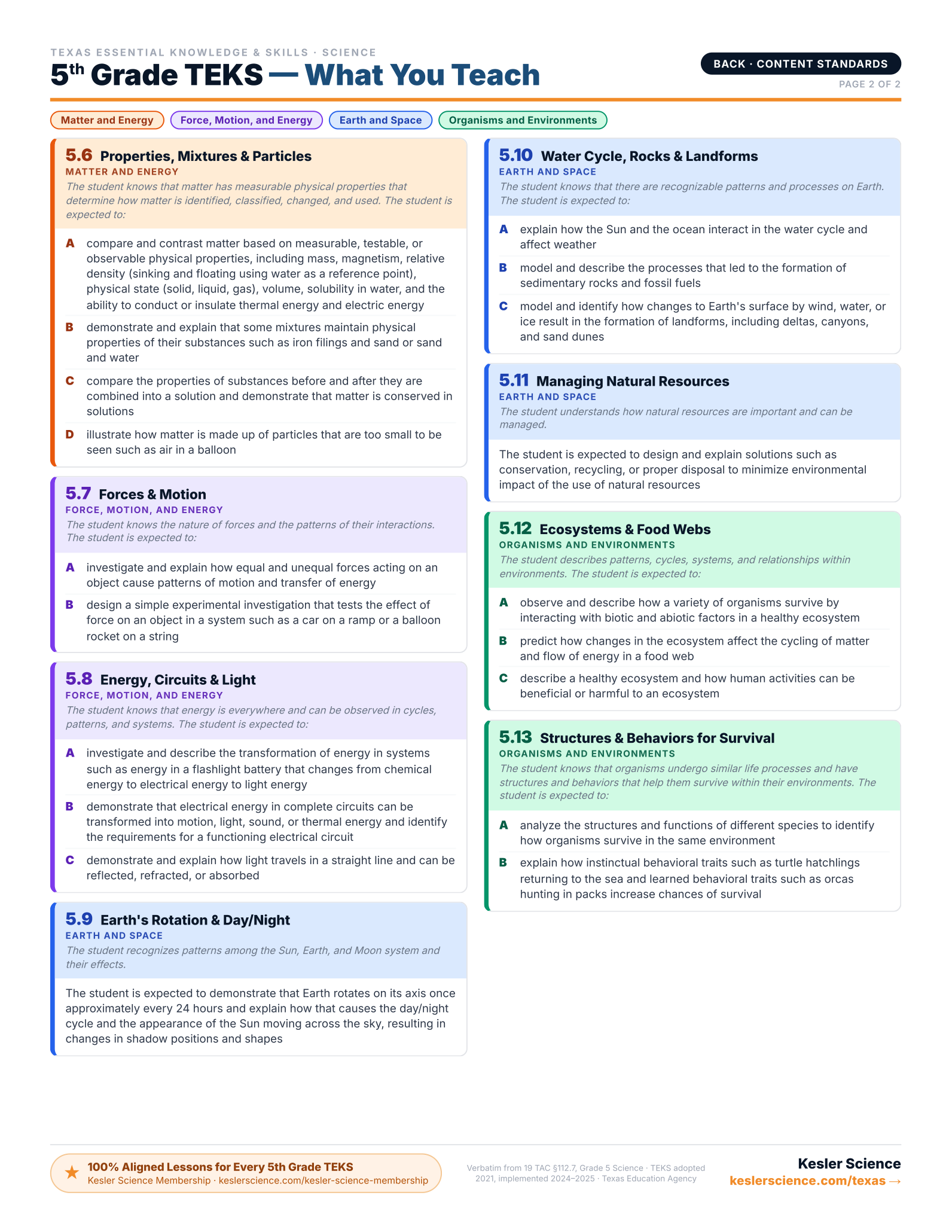
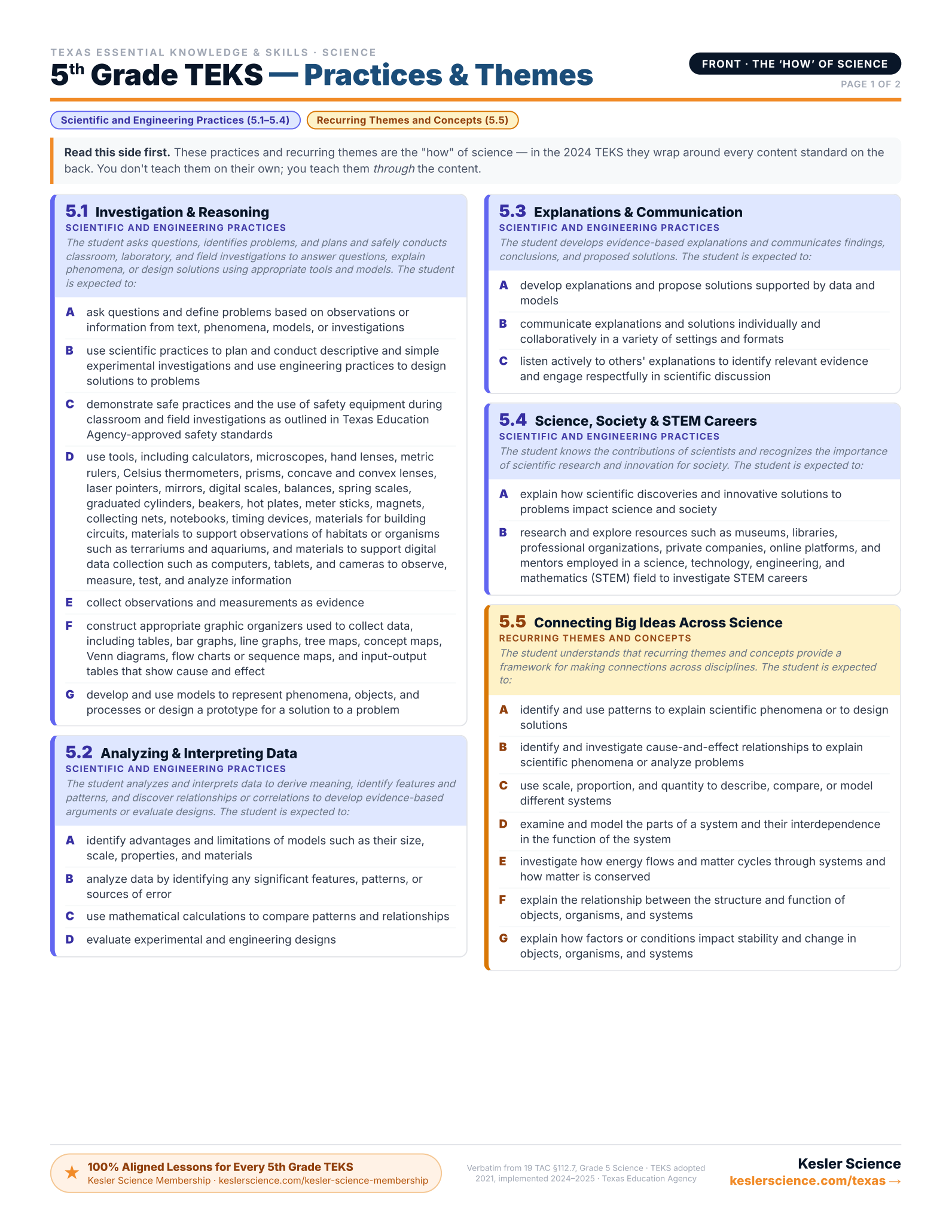
Every 5th-Grade Science TEKS on One Page
The color-coded, front-and-back cheat sheet I wish I'd had — every standard, organized by reporting category. Print it and reference it all year long. This will be your new favorite document!
Trusted Across Texas
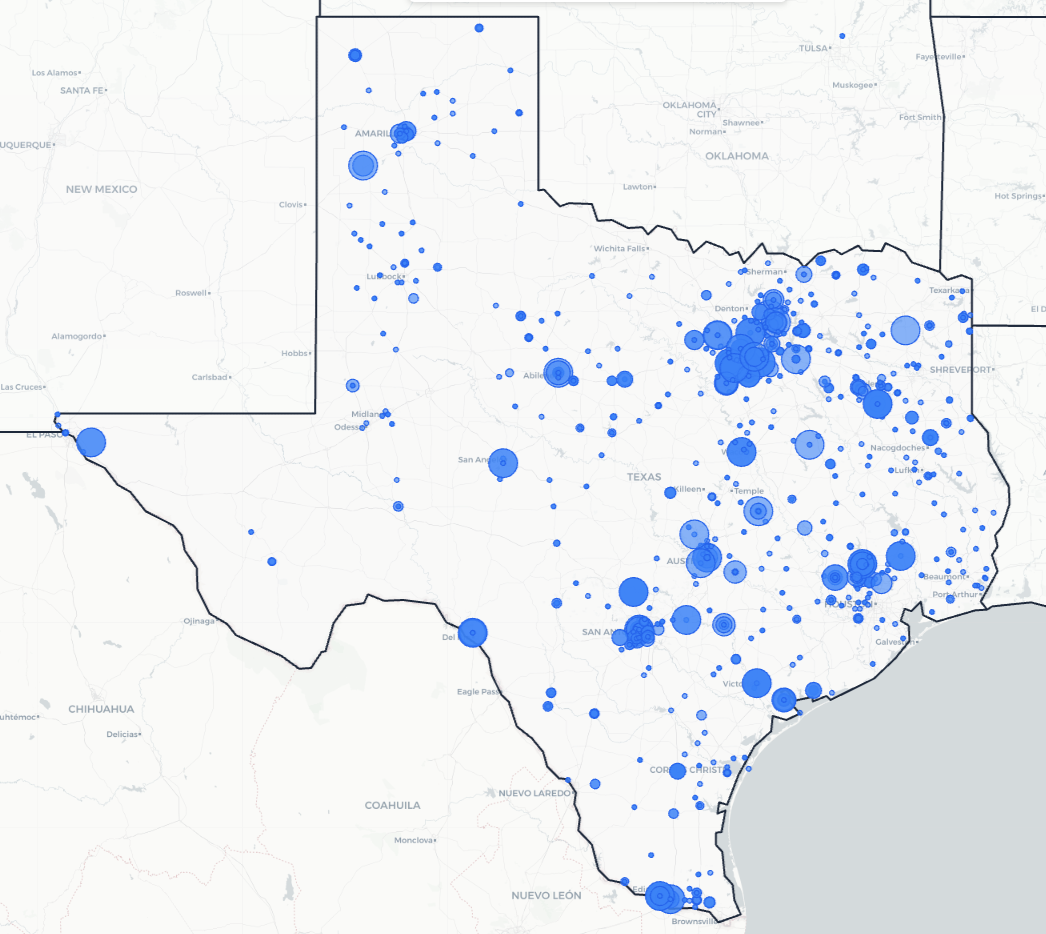
From the Rio Grande Valley to the Panhandle, Texas science teachers are using Kesler Science to save time and engage students.
Texas Schools and Districts
Love Kesler Science
What Teachers Are Saying
Give Your Science Teachers Everything They Need
School and district licenses give your teachers access to every resource they need, including station labs, inquiry labs, anchoring phenomena, presentations, escape rooms, and much more. One purchase covers the grade levels you need.
- PO-friendly. We accept purchase orders
- Volume discounts for 11+ teachers
- Complimentary Kesler Science Plus orientation for 4+ teachers
- Three free implementation PD sessions for departments of 11+
- Aligned to the 2024 TEKS standards
See It in Action
Book a walkthrough and we'll show you how Kesler Science fits your campus.
Book Demo CallNo pressure, no hard sell