.png?width=375&height=100&name=WebPage%20logo%20with%20curves%202026%20(8).png)
Minimizing Environmental Impact
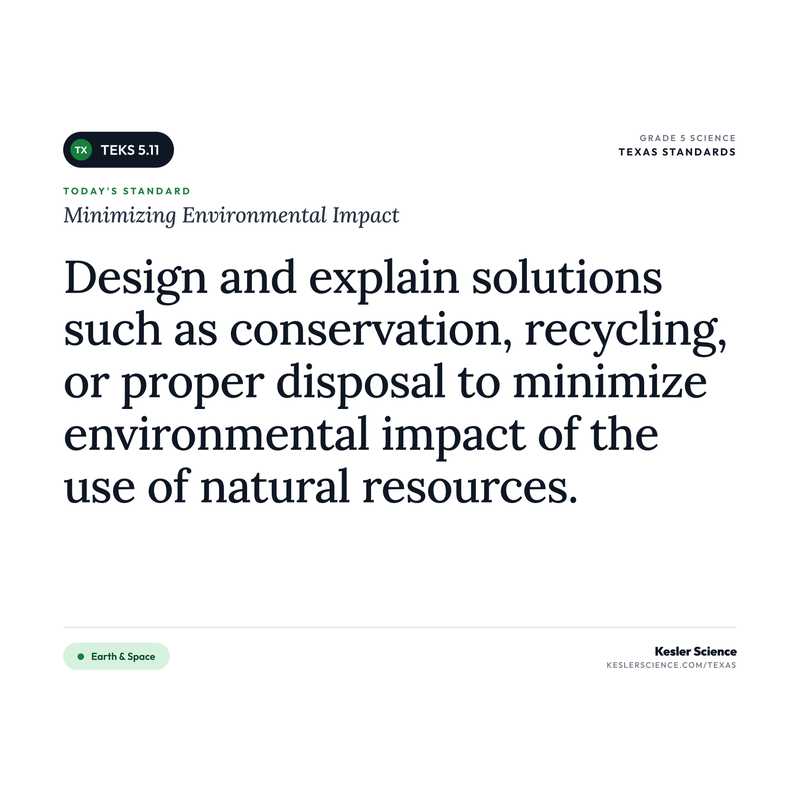
"Design and explain solutions such as conservation, recycling, or proper disposal to minimize environmental impact of the use of natural resources."
💡 What This Standard Actually Means
"Design and explain solutions". This is the engineering-design framing, and both verbs carry weight. Students aren't just listing ways to be green. They are designing a solution to a real problem and then explaining why that design would actually reduce the impact. The TEKS names three kinds of solutions students can design: conservation, recycling, and proper disposal. Those three get unpacked in the next section. One thing to hold them to: the standard is about natural resources specifically, so every design should trace back to a resource it protects, whether that is water, trees, oil, metal, or clean air.
Everything humans use comes from a natural resource somewhere. The water in a kid's water bottle came from a lake or aquifer. The paper in a notebook came from trees. The plastic in a juice cup came from oil. The aluminum in a soda can came from a mineral mined out of the ground. When we use these resources, two things happen. We use up some of the resource (the trees get cut down, the oil gets pumped, the water gets drunk), and we usually create some kind of waste afterward. The empty bottle, the crumpled paper, the can in the trash. Both halves of that cycle have an impact on the environment.
This standard is about designing solutions to reduce that impact. Three big strategies are named right in the TEKS. Conservation is using less of a resource in the first place. Turning off the lights when you leave a room conserves electricity. Taking a five-minute shower instead of a fifteen-minute one conserves water. Recycling is turning used materials back into new materials so the original resource doesn't have to be taken from the Earth again. A recycled aluminum can becomes new aluminum cans, which means fewer mines have to be dug. Proper disposal is making sure waste ends up in the right place, where it won't damage the environment. Used batteries should go to hazardous waste collection, not in the regular trash where the chemicals can leak into the soil.
The takeaway: kids should be able to look at any way humans use natural resources and design a real solution that uses less, reuses more, or disposes of waste responsibly. The job is to think like an engineer and explain WHY the design helps. Not just "we should recycle more," but "if our school cafeteria switched to washable trays instead of styrofoam, we would throw away 5,000 fewer trays per year, and the foam wouldn't end up in landfills." That's a designed and explained solution.
Kids hear "save the planet" all day long but they get a glazed-over look when it's vague. The trick to making this standard land is making it small and specific. If I were teaching this, I'd bring in the school's actual lunch trash from one period (with permission and gloves) and dump it on a tarp at the front of the room. Plastic forks. Milk cartons. Half-eaten apples. Sandwich bags. The pile is bigger than kids expect. Weigh it. Multiply it by the number of lunch periods in a year. The number is huge. Then ask, "What's ONE thing we could change about lunch that would make this pile smaller?" Real answers come out: bring a reusable water bottle, ask the cafeteria to skip plastic forks for kids who don't want one, set up a fruit-scrap compost bin. Each kid picks one and writes up a "design and explain" for that single change. Now they're solving a problem they can see, in their own school, with a result they can imagine. That's the whole standard, served on a tarp.
⚠️ Misconceptions Your Students May Have
These are some of the most common misconceptions. Knowing what to look for can help you get ahead of them.
"Recycling is the only way to help the environment"
Recycling is one way, but not the only way. The TEKS names three: conservation, recycling, and proper disposal. Conservation (using less in the first place) is often the biggest win because if a resource is never used, no waste is created. Recycling helps once something has been used. Proper disposal makes sure waste doesn't damage the environment. A complete plan uses all three strategies, not just recycling.
"One person's choices don't really matter"
One person's daily choices add up over a year, and millions of people making the same choice multiplies the effect. If one student saves five gallons of water a day by taking shorter showers, that's about 1,800 gallons a year for one kid. Multiply by 30 kids in a class, and the class saves 54,000 gallons a year. Multiply by an entire school, an entire town, and the difference becomes huge. Small choices made by many people change the world.
"Putting things in the recycling bin is enough"
Recycling is great, but only certain materials and clean ones can actually be recycled. A pizza box covered in grease can't be recycled because the oil contaminates the paper. A plastic bag jams the sorting machines. Putting random stuff in the recycling bin actually slows down recycling because workers have to pull it out. Proper recycling means knowing what your local program accepts and only putting clean, accepted items in the bin.
"All trash goes to the same place"
Different waste needs different disposal. Regular trash goes to a landfill. Recyclables go to a recycling center. Hazardous waste like used batteries, motor oil, paint, and electronics needs special collection because the chemicals inside can leak and pollute soil and water. Compostable food scraps can be turned into rich soil. Sorting waste isn't extra work for no reason. It's how we make sure each material ends up where it can do the least harm.
📓 Teaching Resources for 5.11
These resources are aligned to this standard.


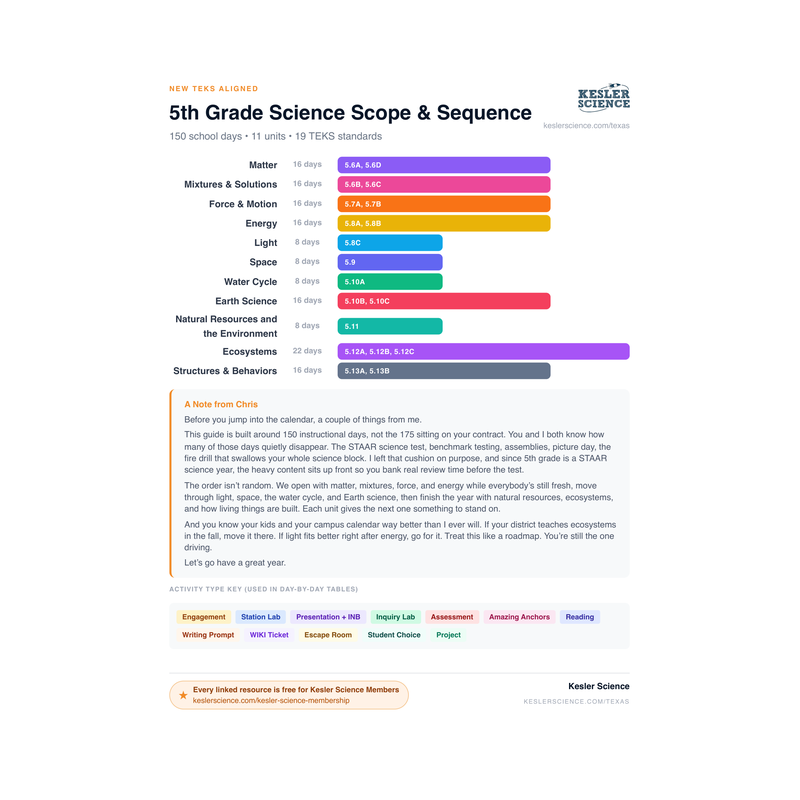
100% Aligned Lessons for Every TEKS You Teach
Kesler Science Plus puts thousands of ready-to-teach lessons and activities in your hands, so you can boost engagement and get your planning time back. Trusted by schools and districts all over the great state of Texas.
🌎 Phenomenon Ideas for 5.11
Use these real-world phenomena to anchor your lesson. Show students the phenomenon first, let them wonder, then build toward Minimizing Environmental Impact as the explanation.
The Cafeteria Trash Mountain
A teacher dumps a single class period's worth of cafeteria trash on a tarp at the front of the room: plastic forks, paper milk cartons, sandwich bags, leftover food, plastic wrappers, paper trays. The pile is bigger than the kids expected. They weigh it on a bathroom scale. The teacher writes the number on the board, then multiplies it by all the lunch periods in a year. The number jumps to thousands of pounds. The whole school throws away that much per year, just from lunch.
"Where does all this trash go after the cafeteria? What's one thing we could change about lunch that would make this pile smaller? Design a solution and explain how it would help the environment."
The Aluminum Can That Came Back
A teacher holds up two aluminum soda cans that look identical. He explains that one was made from a mineral called bauxite that was mined out of the ground in Australia, shipped to a factory, melted at thousands of degrees, rolled into sheets, and turned into a can. The other was made from old aluminum cans that were recycled. Recycling that second can took 95 percent less energy than making the first one. Same can. Different story.
"Why does it take so much less energy to make a can from recycled aluminum? What does that tell you about why recycling helps the environment? Design a plan to recycle more cans in your school."
The Battery in the Soil
A photograph shows a landfill with old electronics and batteries piled up next to regular trash. Years later, scientists test the soil and groundwater near the landfill. Some of it has high levels of lead, mercury, and other chemicals that came from the batteries leaking over time. Those chemicals can travel through the soil into nearby drinking water, harming people and animals. The batteries weren't supposed to be in the regular trash. They were supposed to go to special hazardous waste collection.
"What can happen when a battery is thrown into the regular trash? Why is proper disposal important for some kinds of waste? Design a way to help students at your school dispose of batteries the right way."
💡 Free Engagement Ideas for 5.11
Ready-to-run activities you can drop straight into a lesson. Where one of these looks like a phenomenon from the section above, that is on purpose: show it first as the hook, then let students run it themselves.
Design a School Conservation Plan
Each group picks one resource the school uses (water, electricity, paper, plastic). They walk through the school for ten minutes and identify three places where that resource is being used or wasted. Then they design a one-page plan with a problem, a proposed solution, and an explanation of how the solution conserves the resource. The plans get presented to the class and posted on a "Conservation Action Wall."
Recycling Sort Challenge
Set up four labeled bins: recycle, trash, compost, hazardous waste. Hand each group a tray of items: an empty water bottle, a banana peel, a plastic spoon, a crumpled paper, a used battery, a pizza box with grease stains, an aluminum can, a chip bag. Groups sort each item into the right bin and explain why. Discuss surprises (greasy pizza box can't be recycled, plastic bags don't go in regular recycling).
Two Weeks of Trash Tracking
Each student tracks the trash and recycling they create at home or at lunch for one week. They keep a tally chart of items they threw away (plastic bottles, food wrappers, paper, food scraps). At the end of the week, they pick the most-thrown-away item and design a single solution to reduce, reuse, or properly dispose of that item. The solution gets a one-paragraph "design and explain" write-up.
Build-a-Solution Engineering Challenge
Give each group a problem on a card: "Our cafeteria throws away 500 plastic forks a day," or "Our class uses 200 sheets of paper a week," or "Used batteries get thrown in the regular trash." Their job is to design a real solution using engineering steps: identify the problem, brainstorm options, pick one, plan it, and explain why it would work. They present their solution as if pitching it to the principal.
🎯 What Approaches, Meets, and Masters Thinking Look Like
Here is what student thinking at each level looks like on this one task, so you know what to look for and how to move a student up.
Your school cafeteria throws away hundreds of plastic water bottles every day. The plastic is made from oil, which is a natural resource. Design one solution to reduce the environmental impact of all those bottles, and explain why your solution would help.
- A real, doable solution, not just a wish like “people should stop wasting.”
- The solution clearly fits one of the three strategies: conservation (using less), recycling (making used items into new ones), or proper disposal (putting waste where it won't harm the environment).
- An explanation of why the solution reduces impact, not just what the solution is.
- A connection back to the natural resource (oil, used to make the plastic).
- The student names the strategy correctly (calls conservation “conservation,” not “recycling”).
- The strongest answers see that using fewer bottles in the first place (conservation) prevents waste, while recycling only helps after a bottle is already used. That is the hardest distinction to make.
My solution is to put recycling bins in the cafeteria. The students would throw their empty bottles in the recycling bin instead of the trash. Recycling is the way to help the environment, so if we recycle the bottles we are helping. That is the best thing we can do about the bottles.
My solution is to put a water fountain that fills up bottles in the cafeteria and give every student a reusable water bottle. Then students would refill their own bottle instead of buying a new plastic one. This is conservation because we would use less plastic. Plastic is made from oil, so using fewer bottles means we use less oil. It also means fewer empty bottles get thrown away, so less ends up in the landfill.
My solution is to give students reusable bottles and a fountain to refill them, so the cafeteria buys far fewer plastic bottles. This is conservation, and I think conservation is the strongest choice. Recycling only helps after a bottle is already made and used, but conservation stops the waste before it ever starts. A bottle that is never used can't end up in a landfill. Plastic comes from oil, so using fewer bottles also saves oil.
The real rule is that the best solution is the one that stops the problem the earliest. That is how I would fix our paper waste too. Instead of just recycling used worksheets, the teacher could put more work online so we print fewer pages. Fewer pages printed means fewer trees cut down in the first place, which helps even more than recycling the paper after.
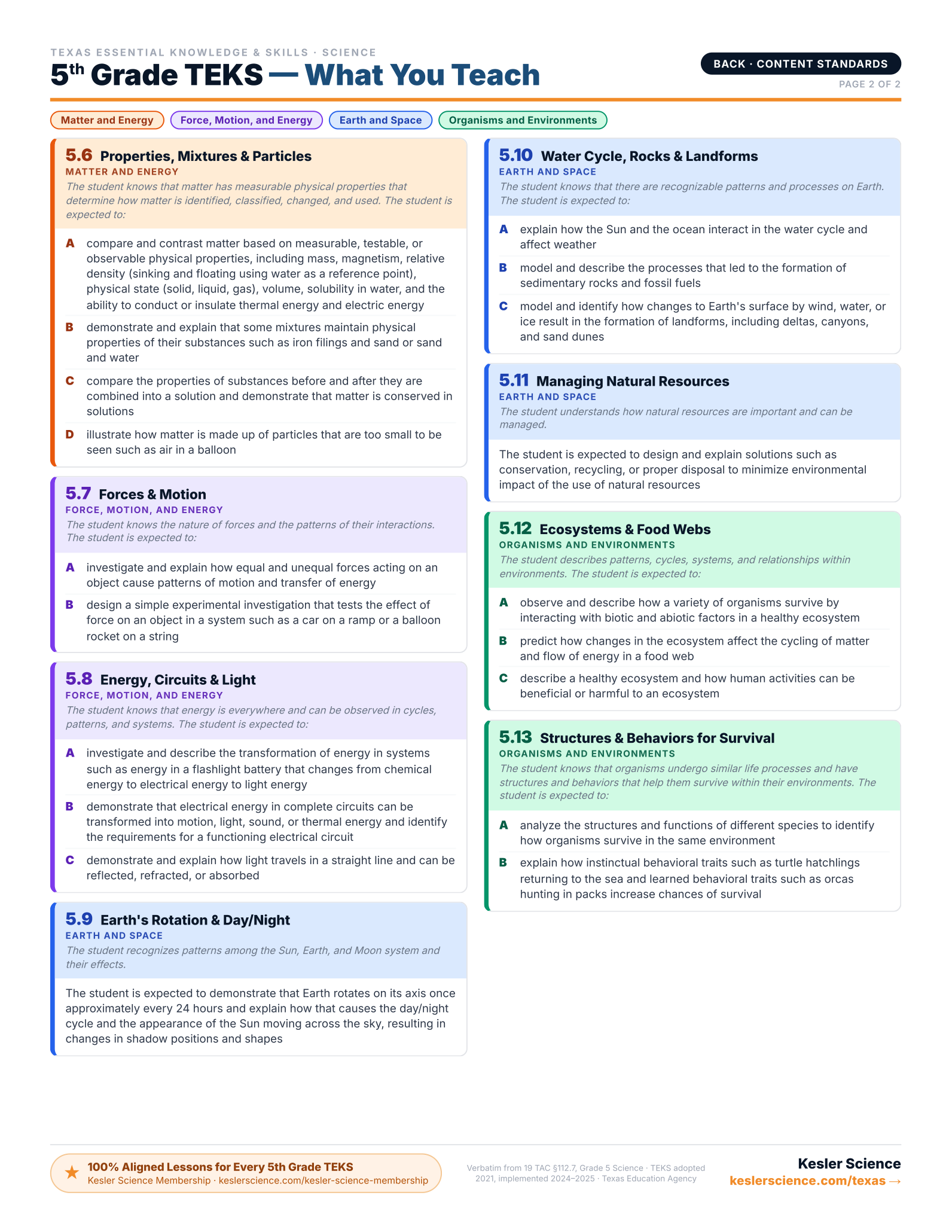
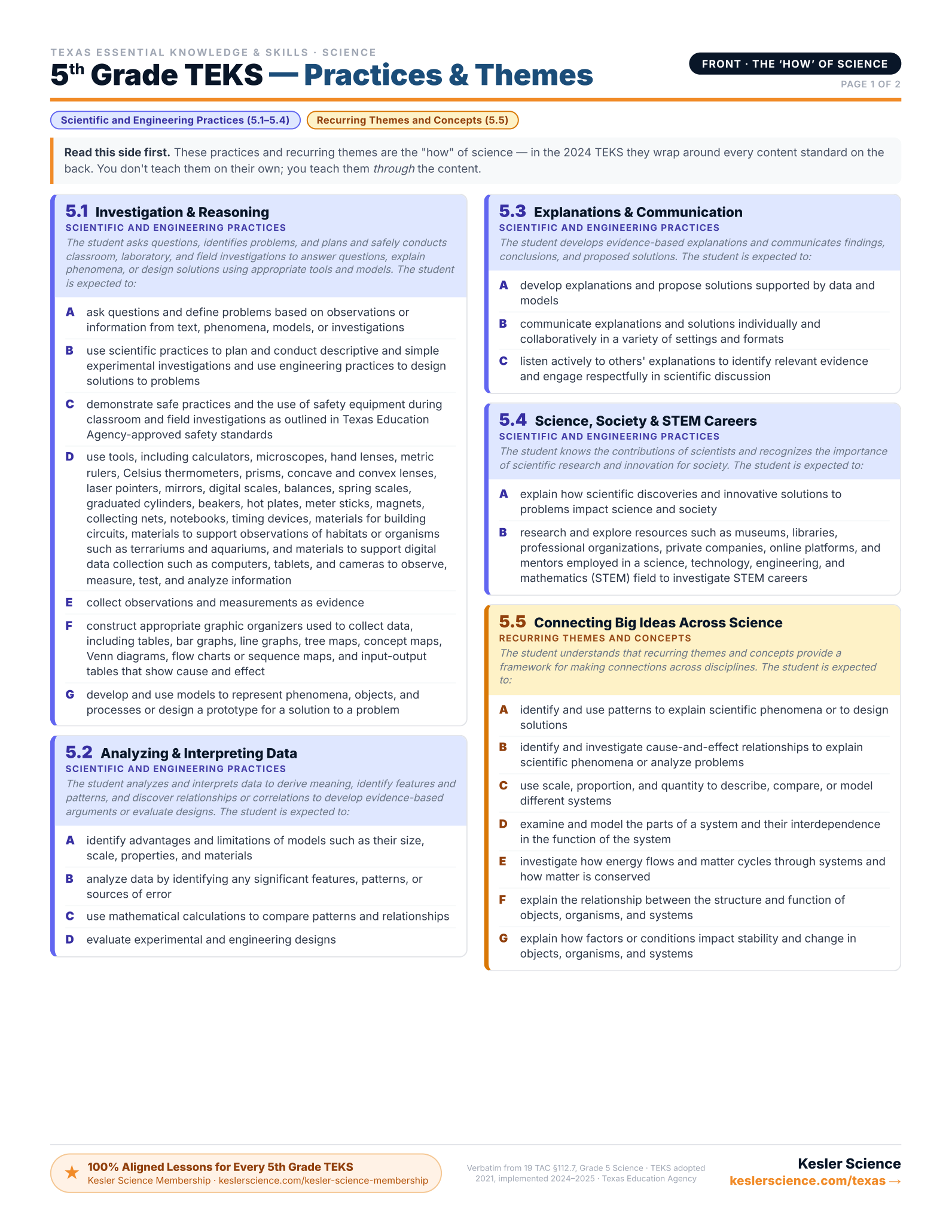
Every 5th-Grade Science TEKS on One Page
The color-coded, front-and-back cheat sheet I wish I'd had — every standard, organized by reporting category. Print it and reference it all year long. This will be your new favorite document!
Trusted Across Texas
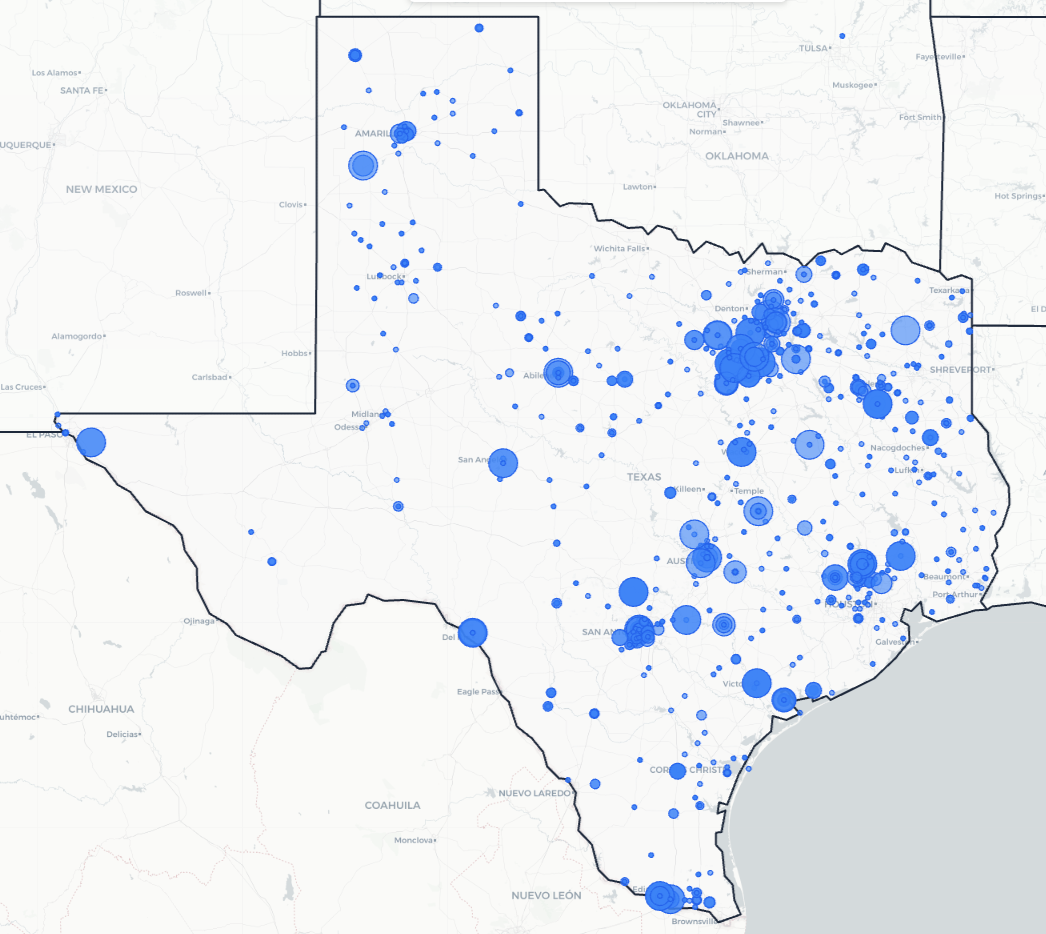
From the Rio Grande Valley to the Panhandle, Texas science teachers are using Kesler Science to save time and engage students.
Texas Schools and Districts
Love Kesler Science
What Teachers Are Saying
Give Your Science Teachers Everything They Need
School and district licenses give your teachers access to every resource they need, including station labs, inquiry labs, anchoring phenomena, presentations, escape rooms, and much more. One purchase covers the grade levels you need.
- PO-friendly. We accept purchase orders
- Volume discounts for 11+ teachers
- Complimentary Kesler Science Plus orientation for 4+ teachers
- Three free implementation PD sessions for departments of 11+
- Aligned to the 2024 TEKS standards
See It in Action
Book a walkthrough and we'll show you how Kesler Science fits your campus.
Book Demo CallNo pressure, no hard sell