.png?width=375&height=100&name=WebPage%20logo%20with%20curves%202026%20(8).png)
Aqueous Solutions
"Describe aqueous solutions in terms of solute and solvent, concentration, and dilution."
💡 What This Standard Actually Means
"Describe". Students are describing aqueous solutions using four key terms: solute, solvent, concentration, and dilution. The shift here is that concentration and dilution are explicitly part of the standard now. The old version stopped at solute and solvent. Now kids also need to explain how concentrated or dilute a solution is and how those amounts can change. Instruction can take many forms, such as sweet tea concentration labs, color-tracking dilution stations, lemonade taste-test investigations, and concentration scale drawings.
A solution is a type of mixture where one substance is dissolved evenly into another. The individual particles of what's dissolved are too small to see. An aqueous solution is any solution that uses water as the liquid part. Saltwater, sweet tea, lemonade, and the saline drip in a hospital are all aqueous solutions. The word "aqueous" just means "water-based."
Two parts make up every solution. The solvent is the substance doing the dissolving, usually the part you have more of. In an aqueous solution, water is the solvent. The solute is the substance that gets dissolved. In saltwater, salt is the solute. In sweet tea, sugar is the solute. In a glass of lemonade, both sugar and lemon juice act as solutes dissolved in the water.
The new piece of this TEKS is concentration and dilution. Concentration is how much solute is dissolved in a given amount of solvent. A solution with a lot of solute packed into the water is concentrated. A solution with very little solute is dilute. Diluting a solution means adding more solvent (more water) to spread the solute out further. Watered-down juice is a diluted solution. Strong sweet tea is more concentrated than weak sweet tea, even though both contain sugar dissolved in water. Students should walk away able to take any aqueous solution, identify the solute and solvent, and describe how concentrated or dilute it is.
I used to blow through the solvent-solute vocab in about five minutes and wonder why kids kept flipping the two. What fixed it was a simple prompt: "Which one is in charge? Which one did the dissolving?" The solvent is the one doing the work. The solute is the one that gave in. Run a couple of examples. Salt in water? Water did the dissolving, so water is the solvent. Hot chocolate mix in milk? Milk is mostly water, and it's the solvent. That question turned an abstract definition into a quick check kids could do on their own.
⚠️ Misconceptions Your Students May Have
These are some of the most common misconceptions. Knowing what to look for can help you get ahead of them.
"When salt dissolves, it disappears"
The salt doesn't disappear. It just breaks apart into particles too small to see and spreads out through the water. If you boil the water off, the salt is still there and can be collected. Students can prove this by weighing the salt and water before dissolving, then checking that the mass stays the same after.
"Water dissolves everything"
Water is called the "universal solvent" because it dissolves many common substances, but not all of them. Oil, wax, sand, and plastic don't dissolve in water. You can see this every time salad dressing separates in a bottle. The oil and vinegar layer back out. Water dissolves a lot of different substances, especially polar ones, but it has limits.
"The solvent and solute switch jobs once they're mixed"
The solvent is the one doing the dissolving, usually the one you have more of. The solute is the substance being dissolved. Once they form a solution, those jobs don't flip. In a glass of sweet tea, water is always the solvent and the sugar is always the solute, even after they're mixed.
"Adding more water to lemonade makes it stronger"
Adding water actually makes the lemonade weaker, not stronger. That's called dilution. Concentration is how much solute is dissolved in a given amount of solvent. When you add water (more solvent) without adding more lemon mix (solute), the same amount of lemon flavor is now spread through more liquid. Less concentrated = more dilute. Show students that "stronger" and "more" are not the same thing. Strong sweet tea has a higher concentration. A pitcher of weak iced tea is more dilute.
📓 Teaching Resources for 7.6D
These resources are aligned to this standard.


100% Aligned Lessons for Every TEKS You Teach
Kesler Science Plus puts thousands of ready-to-teach lessons and activities in your hands, so you can boost engagement and get your planning time back. Trusted by schools and districts all over the great state of Texas.
🌎 Phenomenon Ideas for 7.6D
Use these real-world phenomena to anchor your lesson. Show students the phenomenon first, let them wonder, then build toward Aqueous Solutions as the explanation.
The Ocean Tastes Salty
Take a sip of ocean water and you taste the salt, but you can't see any salt crystals floating around. Yet the ocean holds enough dissolved salt that if you could extract it all, it would cover the continents in a thick layer. The salt is in the water, but it's completely invisible. How can that much solid material be present in water that looks clear?
"If the salt is in the water, why can't we see it? What does this tell us about how solutions work at the particle level?"
Oil and Vinegar Won't Mix
Shake up a bottle of Italian dressing and it looks mixed for a minute. Set it on the counter and you'll watch the oil float to the top and the vinegar (which is mostly water) settle on the bottom. Sugar would dissolve in that vinegar instantly, but the oil refuses. Not every substance dissolves in water.
"Why does sugar dissolve in water but oil doesn't? What does that tell us about the idea that water is the universal solvent?"
A Hospital IV Drip
When someone goes to the hospital dehydrated or needs medicine fast, doctors often start an IV. The bag hanging next to the bed is a clear, colorless liquid called a saline solution. It's water with a small amount of salt dissolved in it, plus sometimes glucose or medicine. The water carries those solutes right into the bloodstream. Doctors need to know exactly what is dissolved and how much.
"Why is water the ideal solvent to use in an IV bag? What role does water play in the human body overall?"
💡 Free Engagement Ideas for 7.6D
Ready-to-run activities you can drop straight into a lesson. Where one of these looks like a phenomenon from the section above, that is on purpose: show it first as the hook, then let students run it themselves.
Dissolve-It Sort
Set up small cups of room-temperature water. Give students a selection of substances to test: salt, sugar, baking soda, pepper, sand, cooking oil, and flour. Students stir each one in and record whether it dissolves or not. Afterward, they sort their observations into "dissolves in water" and "does not dissolve" columns and discuss what patterns they notice.
Solvent vs. Solute Card Match
Prepare cards showing common solutions (saltwater, sweet tea, coffee, soda, hot chocolate, vinegar). For each, students write which part is the solvent and which is the solute. For extra challenge, include solutions where both parts are liquids (like vinegar) so they have to think about "which one is there more of."
Evaporation Reveal
Dissolve a spoonful of salt in a shallow dish of warm water and set it on a sunny windowsill or near a heater. Over a day or two, the water evaporates and the salt crystals are left behind in beautiful patterns on the dish. This shows students that the salt never "disappeared" in the first place. It was just dissolved.
Color the Concentration
Give each group five identical clear cups. In cup 1, mix one drop of food coloring in a quarter cup of water. In cup 2, mix two drops in the same amount of water. Continue up to cup 5 with five drops. Line the cups up. Students will see a clear gradient from light to dark. Then have them dilute cup 5 by adding more water and watch it lighten. Tape the cups to a number line and label which is most concentrated, which is most dilute, and what each one shows about the relationship between solute amount and concentration.
🎯 What Approaches, Meets, and Masters Thinking Look Like
Here is what student thinking at each level looks like on this one task, so you know what to look for and how to move a student up.
Maria makes a glass of lemonade by stirring 2 spoons of lemonade mix into 1 cup of water. She tastes it, then pours in 1 more cup of water and stirs again. Describe the lemonade as a solution: name the solute and the solvent. Then explain what happened to the concentration after she added the extra water, and why.
- Names water as the solvent (the part doing the dissolving, and the part there is more of).
- Names the lemonade mix as the solute (the part that gets dissolved).
- States that the lemonade is an aqueous solution (a water-based solution).
- Uses the word concentration to mean how much solute is dissolved in a given amount of water.
- Explains that adding more water made the lemonade more dilute (less concentrated), not stronger.
- Reasons that the amount of mix did not change, but it is now spread through more water, so each sip has less flavor.
- Keeps "more liquid" and "stronger" separate. That is the easiest place to slip.
The solute is the lemonade mix and the solvent is the water. It is a solution because the mix dissolves in the water. When Maria adds another cup of water, there is more lemonade now, so it gets stronger.
The lemonade is an aqueous solution because the mix is dissolved in water. Water is the solvent because it does the dissolving and there is more of it. The lemonade mix is the solute because it is the part that gets dissolved.
When Maria added another cup of water, the lemonade got more dilute. Concentration is how much mix is dissolved in the water. She did not add more mix, so the same 2 spoons are now spread through 2 cups of water instead of 1. That means the concentration went down and each sip tastes weaker.
The lemonade is an aqueous solution: water is the solvent and the lemonade mix is the solute. Concentration is how much solute is dissolved in a certain amount of solvent. Maria kept the solute the same (2 spoons) but doubled the solvent to 2 cups, so the mix is spread through more water. That makes the solution more dilute, which is why each sip is weaker even though there is more total liquid.
The real rule is that concentration depends on the ratio of solute to solvent, not on how much liquid there is. That is how I know you could make the lemonade concentrated again two ways: add more mix to the same water, or boil some water off so the same mix sits in less water. It is the same idea as sweet tea. Strong tea just has more sugar packed into each cup, and you weaken it by adding more water, not by adding tea.
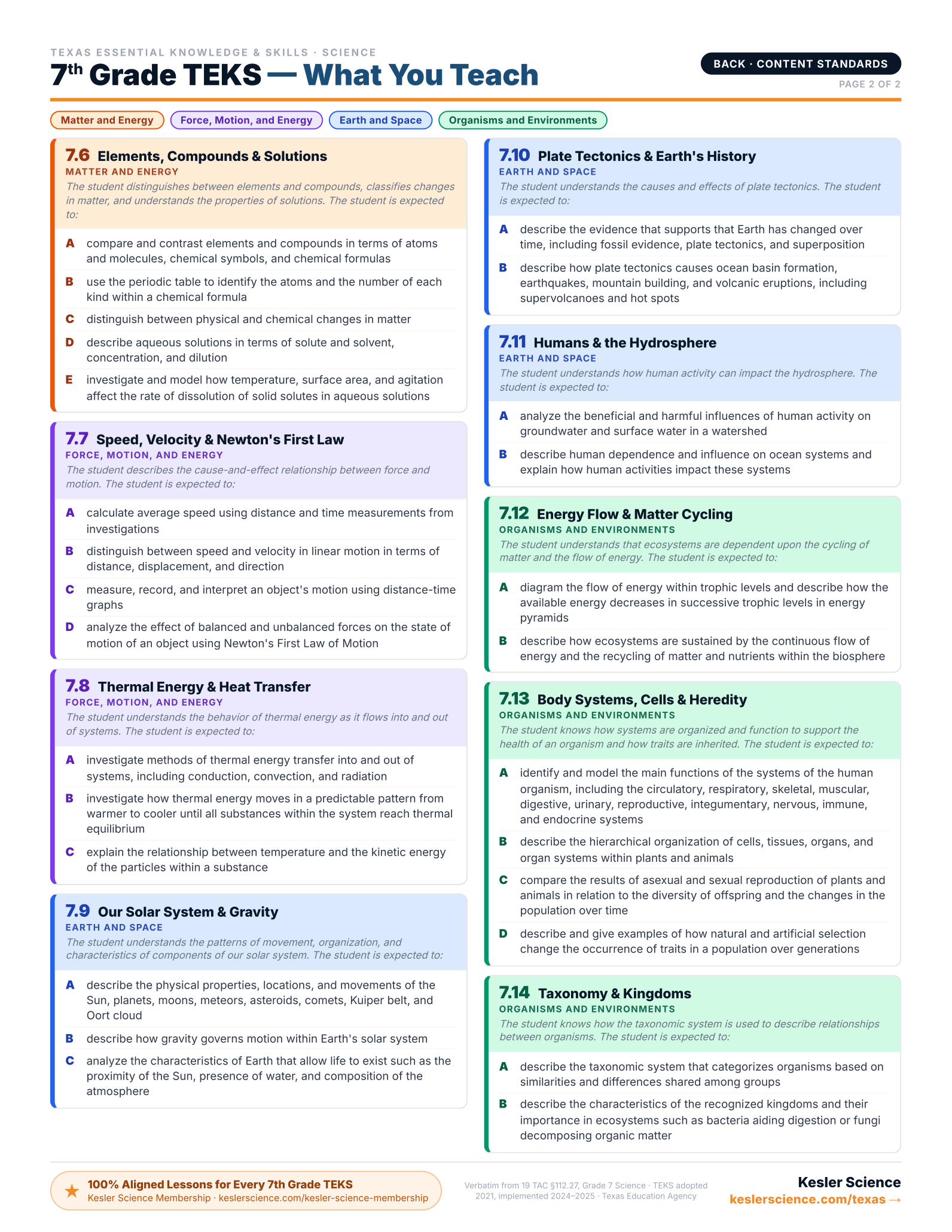
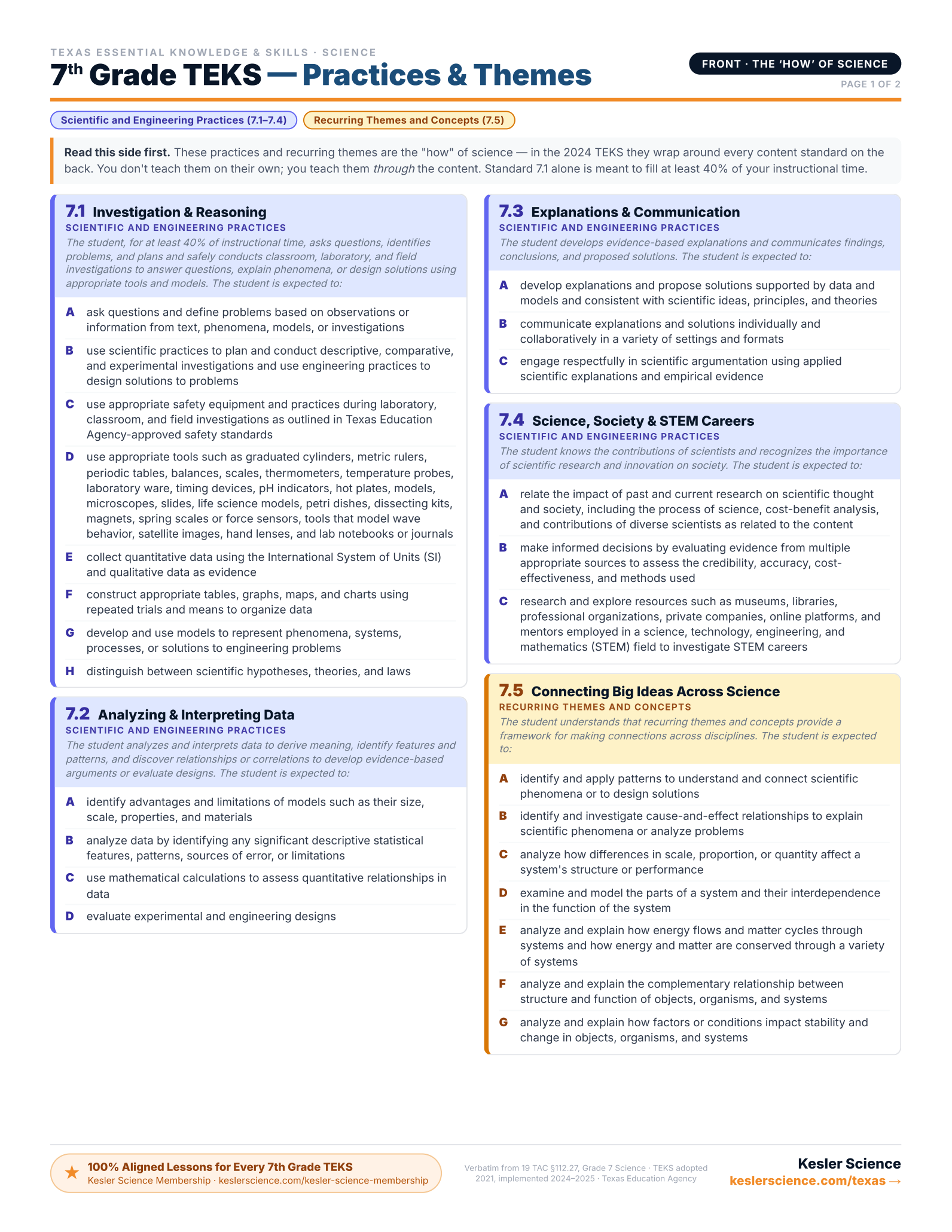
Every 7th-Grade Science TEKS on One Page
The color-coded, front-and-back cheat sheet I wish I'd had — every standard, organized by reporting category. Print it and reference it all year long. This will be your new favorite document!
Trusted Across Texas
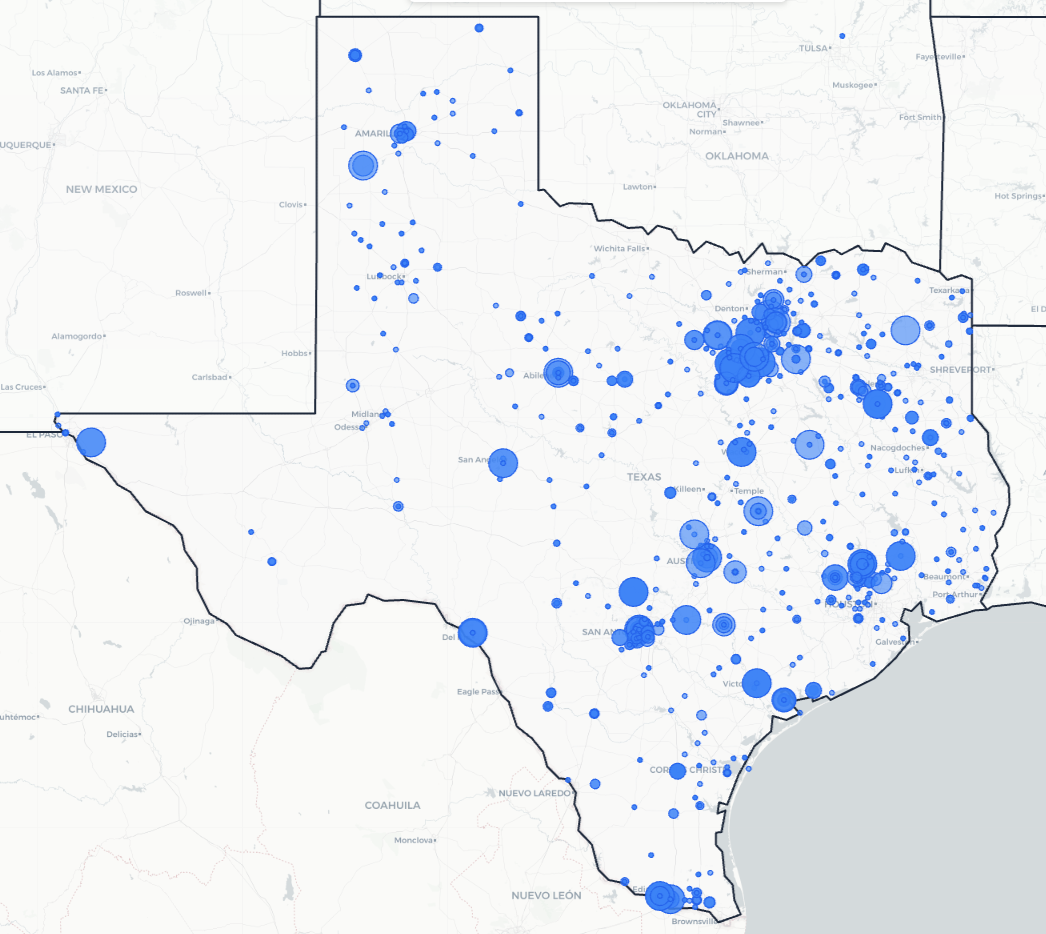
From the Rio Grande Valley to the Panhandle, Texas science teachers are using Kesler Science to save time and engage students.
Texas Schools and Districts
Love Kesler Science
What Teachers Are Saying
Give Your Science Teachers Everything They Need
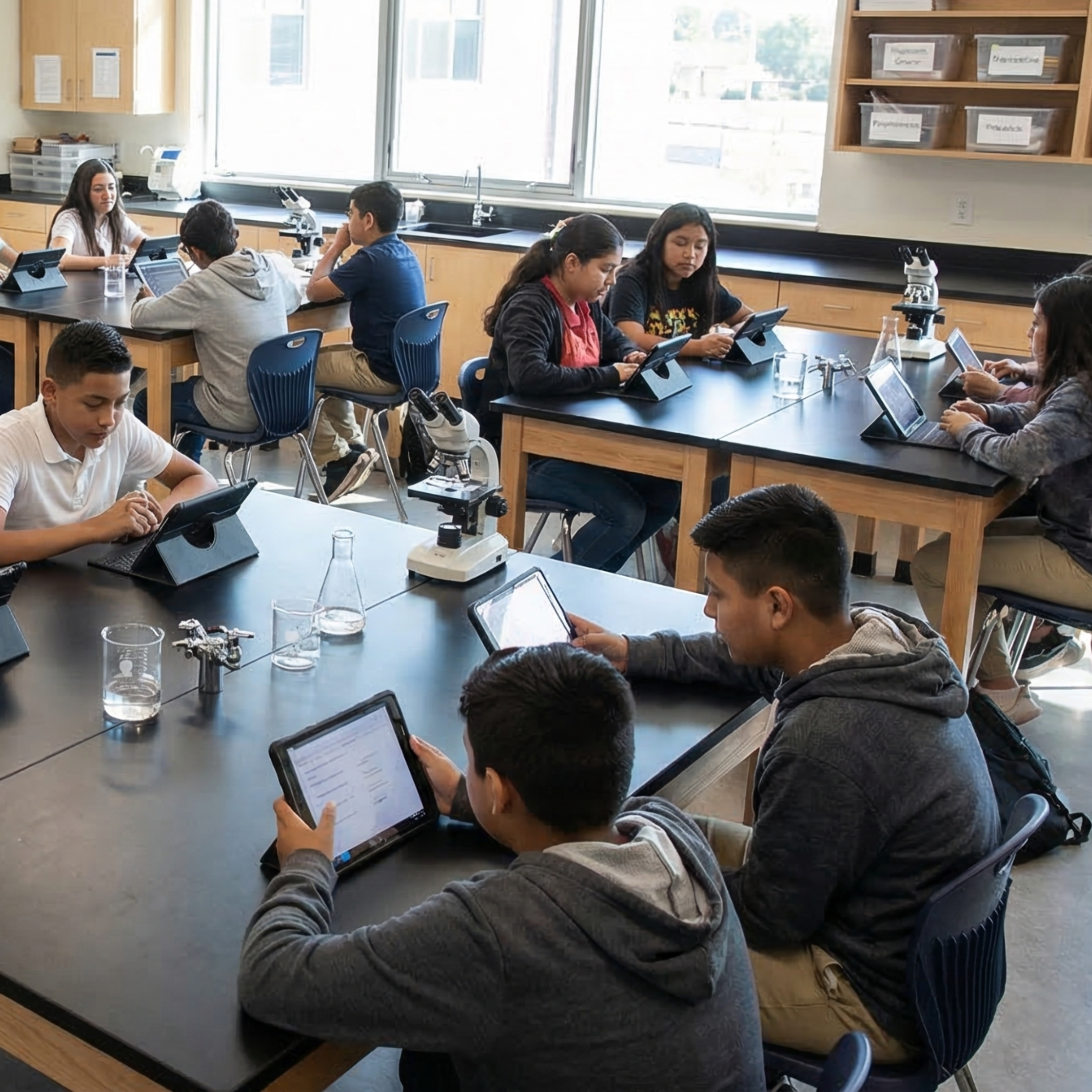
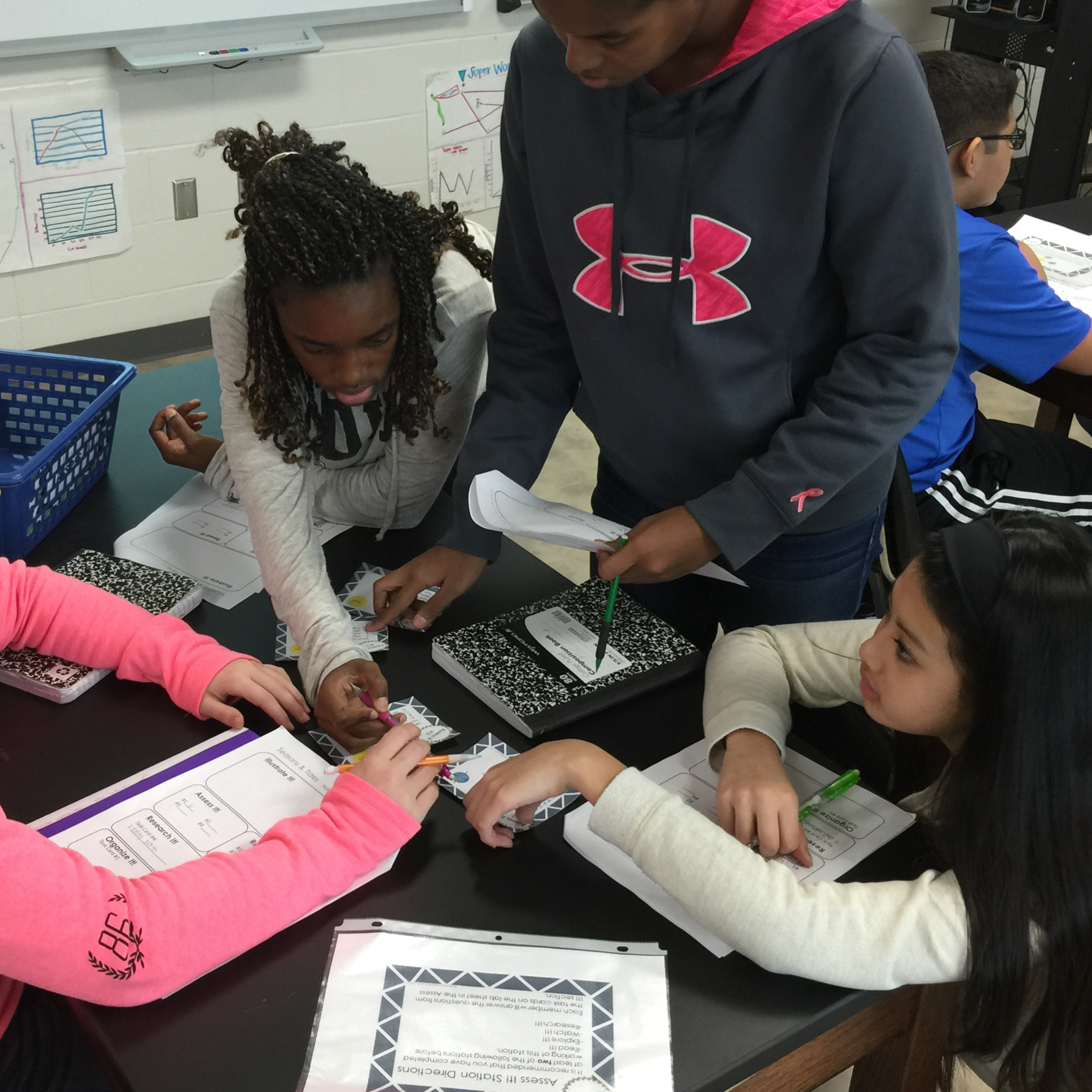
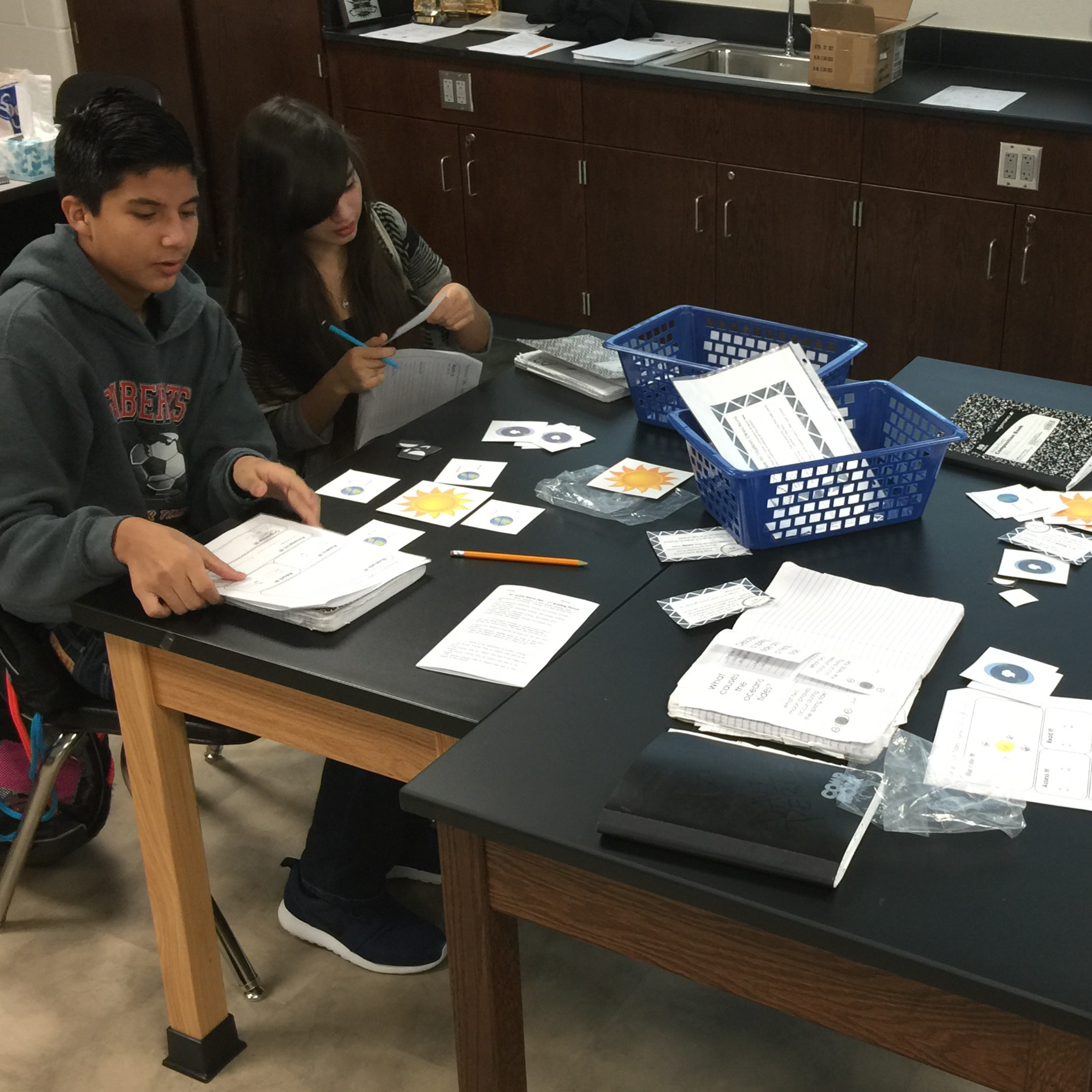
School and district licenses give your teachers access to every resource they need, including station labs, inquiry labs, anchoring phenomena, presentations, escape rooms, and much more. One purchase covers the grade levels you need.
- PO-friendly. We accept purchase orders
- Volume discounts for 11+ teachers
- Complimentary Kesler Science Plus orientation for 4+ teachers
- Three free implementation PD sessions for departments of 11+
- Aligned to the 2024 TEKS standards
See It in Action
Book a walkthrough and we'll show you how Kesler Science fits your campus.
Book Demo CallNo pressure, no hard sell