.png?width=375&height=100&name=WebPage%20logo%20with%20curves%202026%20(8).png)
Pure Substances & Mixtures
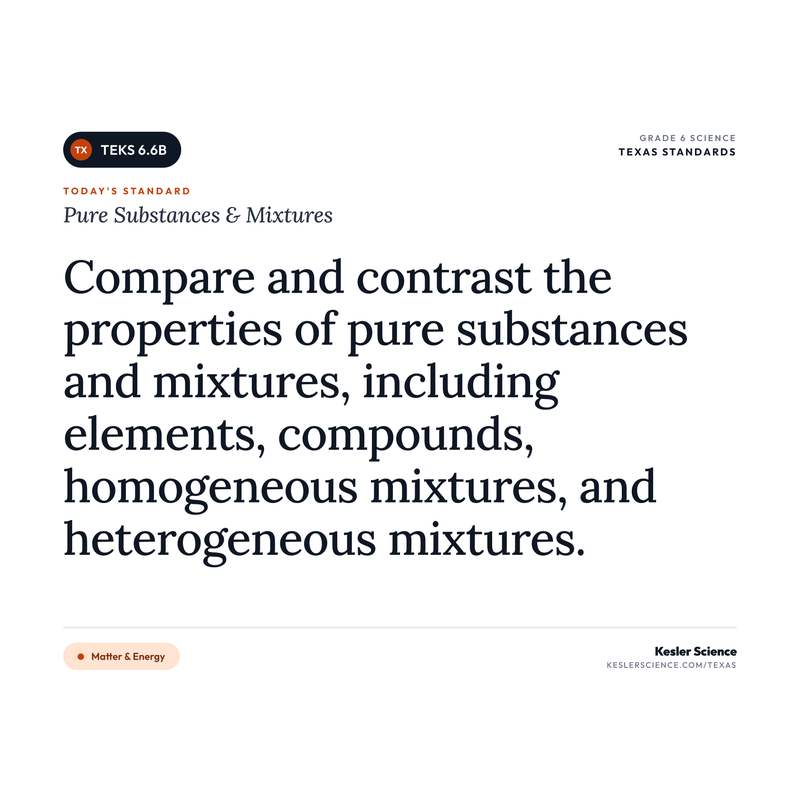
"Investigate the physical properties of matter to distinguish between pure substances, homogeneous mixtures (solutions), and heterogeneous mixtures."
💡 What This Standard Actually Means
"Investigate". Students are using physical properties they can observe and measure (color, transparency, the ability to filter or evaporate, whether the parts look the same throughout) to tell three things apart: pure substances, homogeneous mixtures (solutions), and heterogeneous mixtures. This is an investigation standard, so kids need to actually look at samples and use their evidence to classify. Instruction can take many forms, such as hands-on sorting stations, filtration and evaporation labs, observation journals, and small-group debate over tricky samples.
The first split students need to make is between pure substances and mixtures. A pure substance is made of only one kind of particle. Distilled water is a pure substance. Pure copper wire is a pure substance. Mixtures are two or more substances physically combined, where each substance keeps its own identity and you can usually pull them apart with a physical process like filtering, evaporating, or using a magnet.
Mixtures then split into two more types. A homogeneous mixture (also called a solution) looks the same all the way through. You can't see the separate parts. Salt water, sweet tea, and the air in your classroom are homogeneous mixtures. A heterogeneous mixture has parts you can see and identify on sight. A bowl of cereal and milk, sand mixed with iron filings, and a tossed salad are all heterogeneous.
The way kids investigate this is to use physical properties. Can you see different parts? Heterogeneous. Does it look uniform but separate when you boil off the liquid? Homogeneous solution. Won't separate at all by physical means? Pure substance. The core understanding students should walk away with is that these three categories sit on a sliding scale of how mixed up the particles are, and physical properties are the evidence that puts a sample in the right bucket.
My go-to warm-up for this one was a tray of things from the kitchen: a bottle of water, a jar of salt, a chunk of aluminum foil, a cup of Italian dressing, a trail mix bag, and a can of soda. I'd have students sort them into two piles before I taught any vocabulary. Pure or mixed. They'd argue about soda. They'd argue about foil. Those arguments are where the real learning was. Then I'd introduce the three categories, pure substance, homogeneous mixture, and heterogeneous mixture, and we'd re-sort with the new labels. Kids remember the sorting fight longer than they remember any definition I ever gave.
⚠️ Misconceptions Your Students May Have
These are some of the most common misconceptions. Knowing what to look for can help you get ahead of them.
"If something looks uniform, it has to be a pure substance"
This is one of the biggest traps. A glass of salt water looks completely uniform, but it's a mixture. A cup of milk looks uniform too. The real question isn't "does it look the same throughout," it's "is it made of only one kind of particle?" Homogeneous mixtures fool the eye on purpose.
"An element and a compound are basically the same thing"
Students often treat any single-word substance as an element. Water is one word, so they call it an element. But water is a compound because it's hydrogen and oxygen chemically bonded. Elements are one type of atom. Compounds are two or more elements joined in a fixed ratio. Both are pure substances, but they're not the same thing.
"Mixing two substances always makes a new substance"
When students stir sugar into water, they often say the sugar is "gone" or has turned into water. Sugar dissolving isn't a chemical change. The sugar particles spread out among the water particles, but they're still sugar. If you evaporate the water, the sugar crystals come back. Mixtures don't create new substances.
"Air is a pure substance because it's invisible"
Students assume that because air looks like "nothing," it can't be complicated. Air is actually a homogeneous mixture of mostly nitrogen and oxygen, with smaller amounts of argon, carbon dioxide, and water vapor. You can't see the separate parts, but they're all in there together, and the proportions can shift.
📓 Teaching Resources for 6.6B
These resources are aligned to this standard.


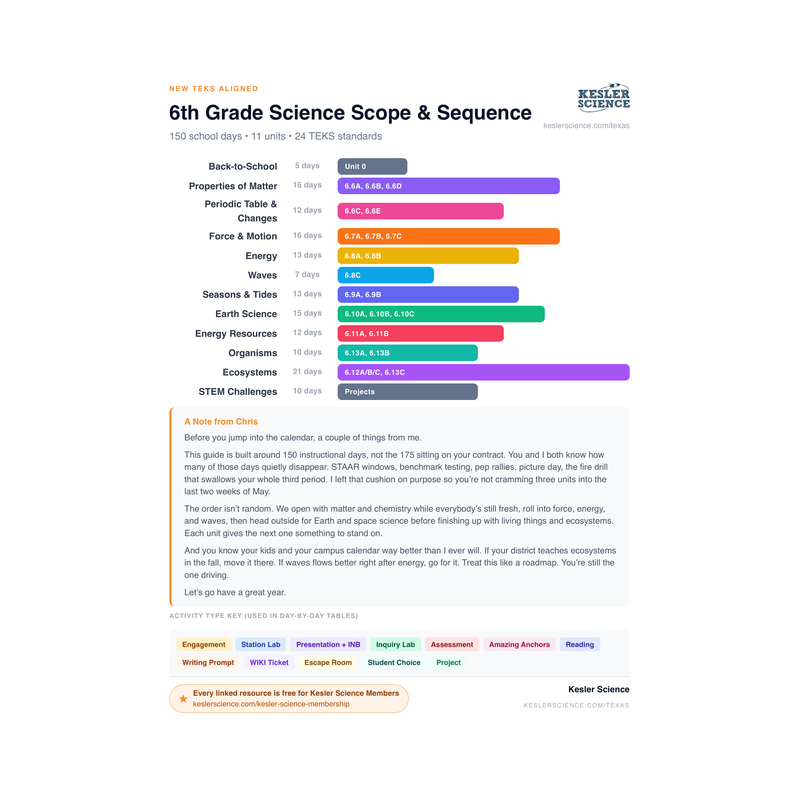
100% Aligned Lessons for Every TEKS You Teach
Kesler Science Plus puts thousands of ready-to-teach lessons and activities in your hands, so you can boost engagement and get your planning time back. Trusted by schools and districts all over the great state of Texas.
🌎 Phenomenon Ideas for 6.6B
Use these real-world phenomena to anchor your lesson. Show students the phenomenon first, let them wonder, then build toward Pure Substances & Mixtures as the explanation.
Italian Dressing That Won't Stay Mixed
A bottle of Italian dressing sits on the shelf with clearly separated layers: oil on top, vinegar and herbs at the bottom. You shake it hard, and for a minute it looks mixed. Set it down, and within a few minutes the layers start separating again. Meanwhile, a cup of sweet tea next to it stays the same all the way down, no matter how long it sits.
"Both of these are mixtures, but they behave completely differently when you leave them alone. What's different about how the particles are arranged in the dressing versus the sweet tea?"
Trail Mix vs. Chocolate Bar
A bag of trail mix and a plain chocolate bar are both packaged as one product. But with the trail mix, you can pick out almonds, raisins, M&Ms, and peanuts one by one. With the chocolate bar, no matter how small you break it, every piece looks and tastes the same. Each piece contains cocoa, sugar, and milk solids blended together so evenly you can't pick them apart.
"Both trail mix and chocolate are mixtures. Why is it so easy to pick out the pieces in trail mix but impossible to separate out the ingredients in a chocolate bar just by looking?"
Salt Flats Left Behind After Water Evaporates
In West Texas and across parts of Utah, you can find huge white plains of salt stretching for miles. At one point, these were shallow lakes of salty water. When the water evaporated, the salt stayed behind. The salt didn't disappear when it was in the water, and the water didn't turn into salt. Both were still there the whole time, just not visible as separate things.
"If you can't see the salt in salt water, how do we know it's still there? Why does evaporating the water leave the salt behind, and what does that tell us about what kind of mixture salt water is?"
💡 Free Engagement Ideas for 6.6B
Ready-to-run activities you can drop straight into a lesson. Where one of these looks like a phenomenon from the section above, that is on purpose: show it first as the hook, then let students run it themselves.
The Kitchen Sort
Set out 10 common items: sugar, salt, water, aluminum foil, copper penny, sweet tea, a chex mix bag, sand and water in a jar, oil and vinegar, and a soda. Give groups four labels: Element, Compound, Homogeneous Mixture, Heterogeneous Mixture. Have them sort, argue, and defend their choices before you reveal answers.
Separate This Mixture
Give each group a cup with salt, pepper, iron filings, sand, and marbles mixed together. Give them tools: a magnet, a sieve, a coffee filter, and a cup of water. Challenge them to separate every component. They'll need to think through what makes each ingredient different, which is the heart of the standard.
Evaporate the Salt Water
Have students dissolve 2 tablespoons of salt into 1 cup of warm water. Pour a thin layer into a black paper plate or shallow dish. Place it on a sunny windowsill. Over a few days, the water evaporates and the salt crystals reappear. Students document the process and explain why this proves salt water is a mixture, not a new compound.
Build-a-Substance with Candy
Give each group different colored candies (Skittles, M&Ms, or Lego bricks work too). Have them model an element (all one color), a compound (two colors always bonded in the same ratio, like 2 red + 1 blue), a homogeneous mixture (colors evenly spread), and a heterogeneous mixture (colors clumped by type). Students draw and label each.
🎯 What Approaches, Meets, and Masters Thinking Look Like
Here is what student thinking at each level looks like on this one task, so you know what to look for and how to move a student up.
A student has three clear cups on the table. Cup A is distilled water. Cup B is salt water that was stirred until you cannot see any salt. Cup C is water with sand in it. The student looks at each cup, then boils away the water from each one to see what is left behind. Use what the student observes to classify each cup as a pure substance, a homogeneous mixture (solution), or a heterogeneous mixture. Explain how you know.
- Each cup gets named with the correct category, not just “mixture” for all three.
- Cup C (sand and water) is called a heterogeneous mixture because you can see the separate parts.
- Cup A (distilled water) is called a pure substance because nothing is left behind when the water boils off.
- Cup B (salt water) is called a homogeneous mixture (solution), even though it looks clear, because salt is left behind after the water boils away.
- The student uses a physical property as evidence (looks the same or not, leaves something behind or not), not just a guess.
- The student explains that boiling off the water is the test that tells Cup A and Cup B apart.
- Cup A and Cup B are handled correctly, since they look almost the same in the cup. That is the easiest place to slip.
Cup C is a heterogeneous mixture because you can see the sand in the water. Cup A is a pure substance because it is just clear water. Cup B is a pure substance too, because it looks clear and you cannot see anything in it.
Cup C is a heterogeneous mixture because you can see the sand and the water as separate parts. Cup A is a pure substance because when the water boils away, nothing is left behind. Cup B is a homogeneous mixture, also called a solution. It looks clear like Cup A, but when the water boils off, white salt is left in the cup. So the salt was mixed in the whole time, you just could not see it.
Cup C is heterogeneous because the parts are easy to see and separate. Cup A is a pure substance because it is only one kind of particle, so nothing else is left when the water boils away. Cup B is a homogeneous mixture, because the salt is spread out so evenly it looks clear, but the boiling test proves the salt was always there. The real test is not how it looks, it is whether more than one substance is mixed in.
That is how I would figure out a glass of clear apple juice. It looks just like Cup A and Cup B, totally see-through. But if I boiled the water off, sticky sugar and other stuff would be left behind, so apple juice has to be a homogeneous mixture, not a pure substance. Looking clear does not make something pure.
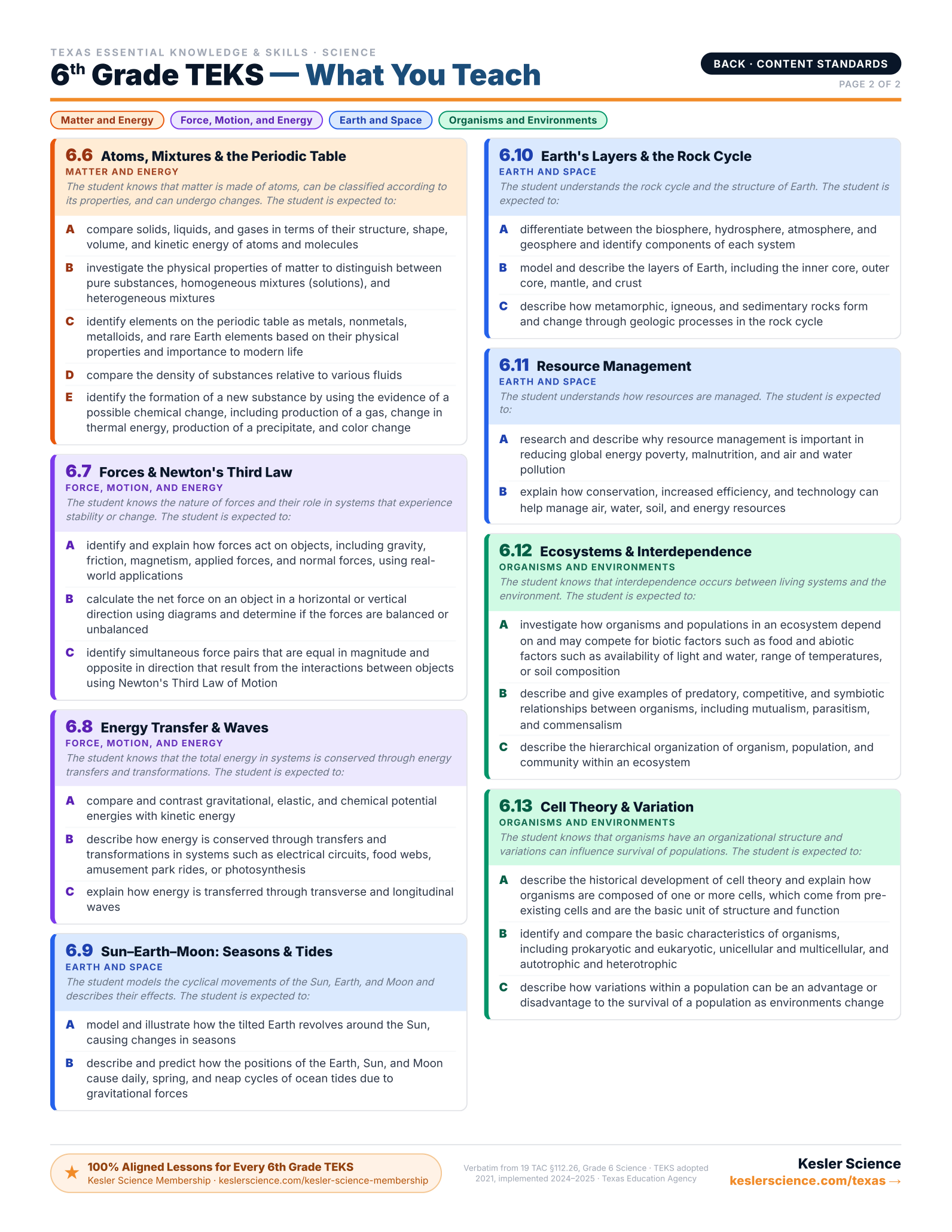
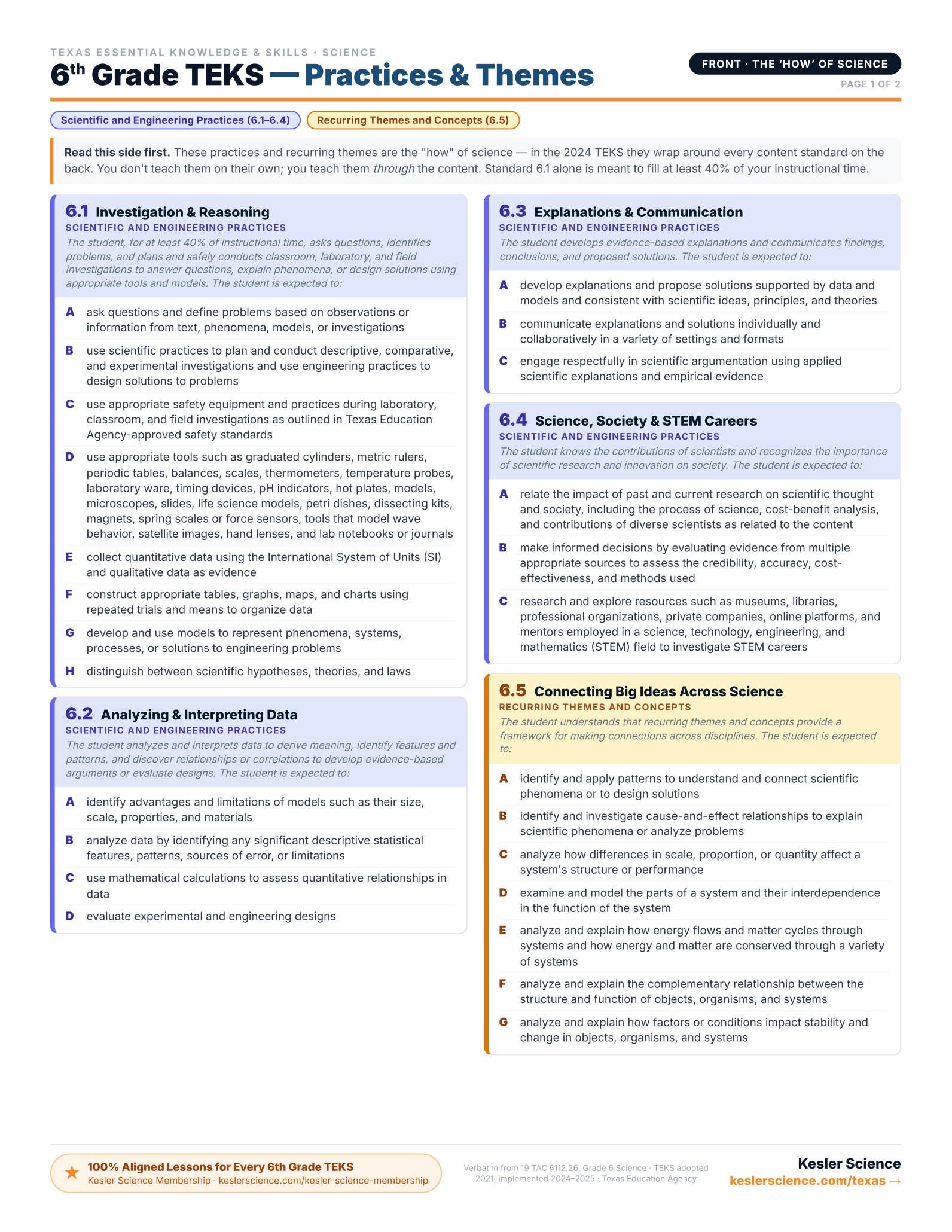
Every 6th-Grade Science TEKS on One Page
The color-coded, front-and-back cheat sheet I wish I'd had — every standard, organized by reporting category. Print it and reference it all year long. This will be your new favorite document!
Trusted Across Texas
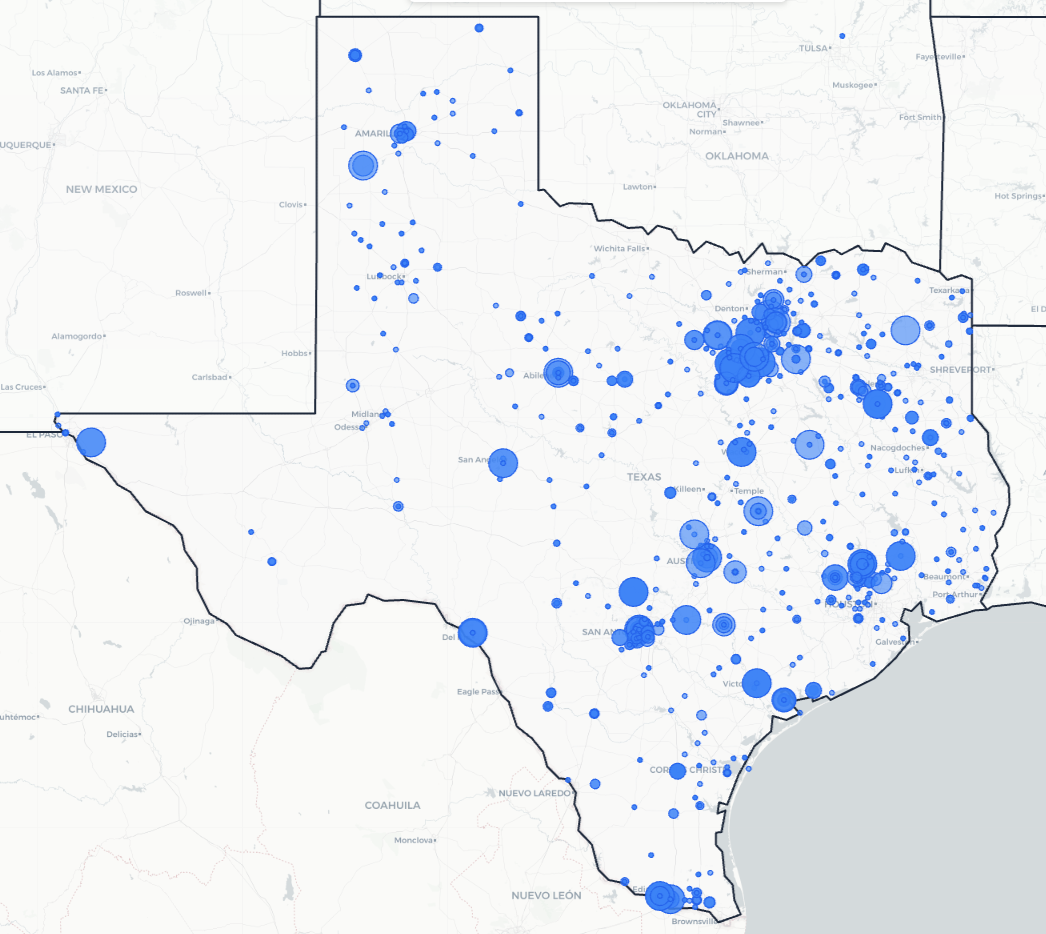
From the Rio Grande Valley to the Panhandle, Texas science teachers are using Kesler Science to save time and engage students.
Texas Schools and Districts
Love Kesler Science
What Teachers Are Saying
Give Your Science Teachers Everything They Need
School and district licenses give your teachers access to every resource they need, including station labs, inquiry labs, anchoring phenomena, presentations, escape rooms, and much more. One purchase covers the grade levels you need.
- PO-friendly. We accept purchase orders
- Volume discounts for 11+ teachers
- Complimentary Kesler Science Plus orientation for 4+ teachers
- Three free implementation PD sessions for departments of 11+
- Aligned to the 2024 TEKS standards
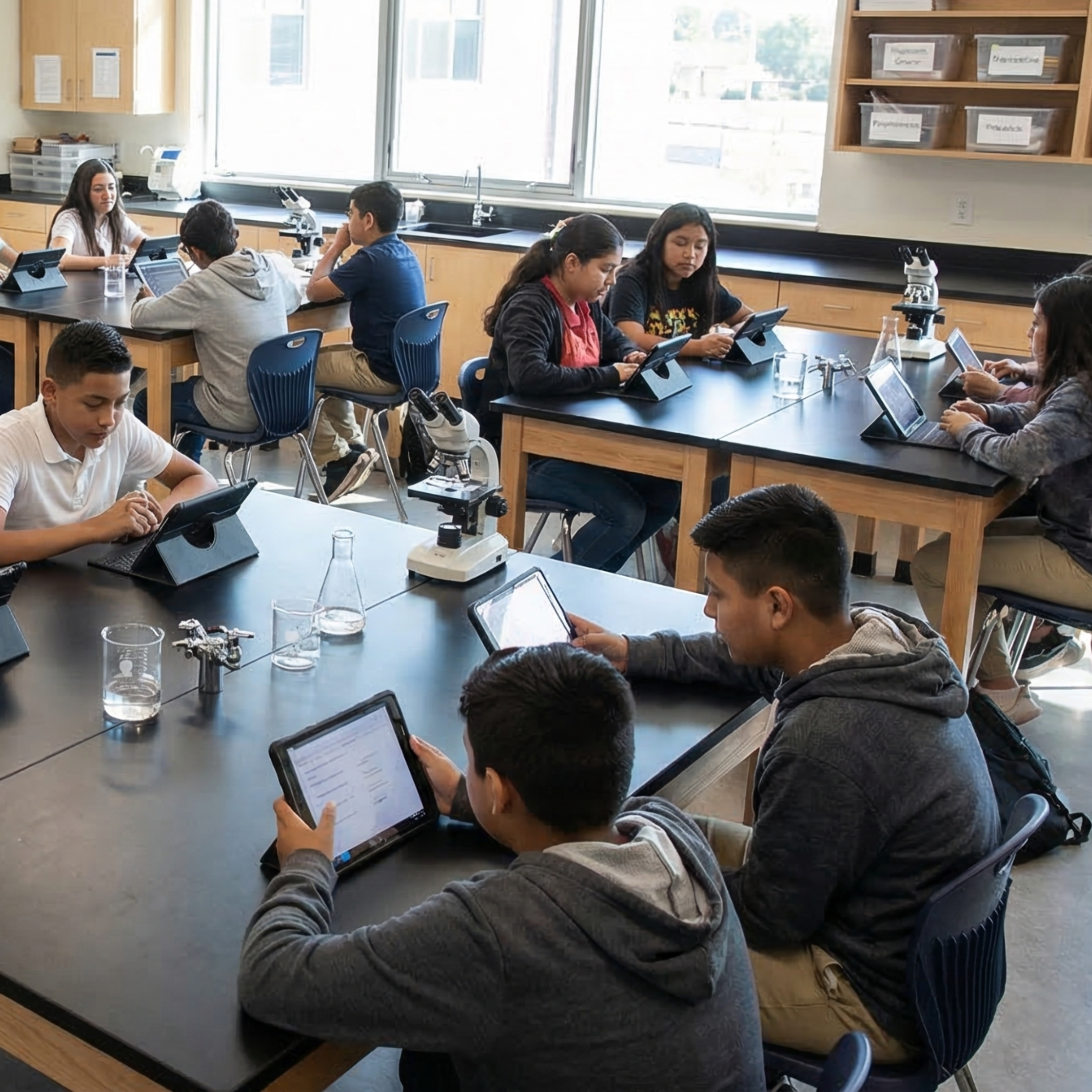
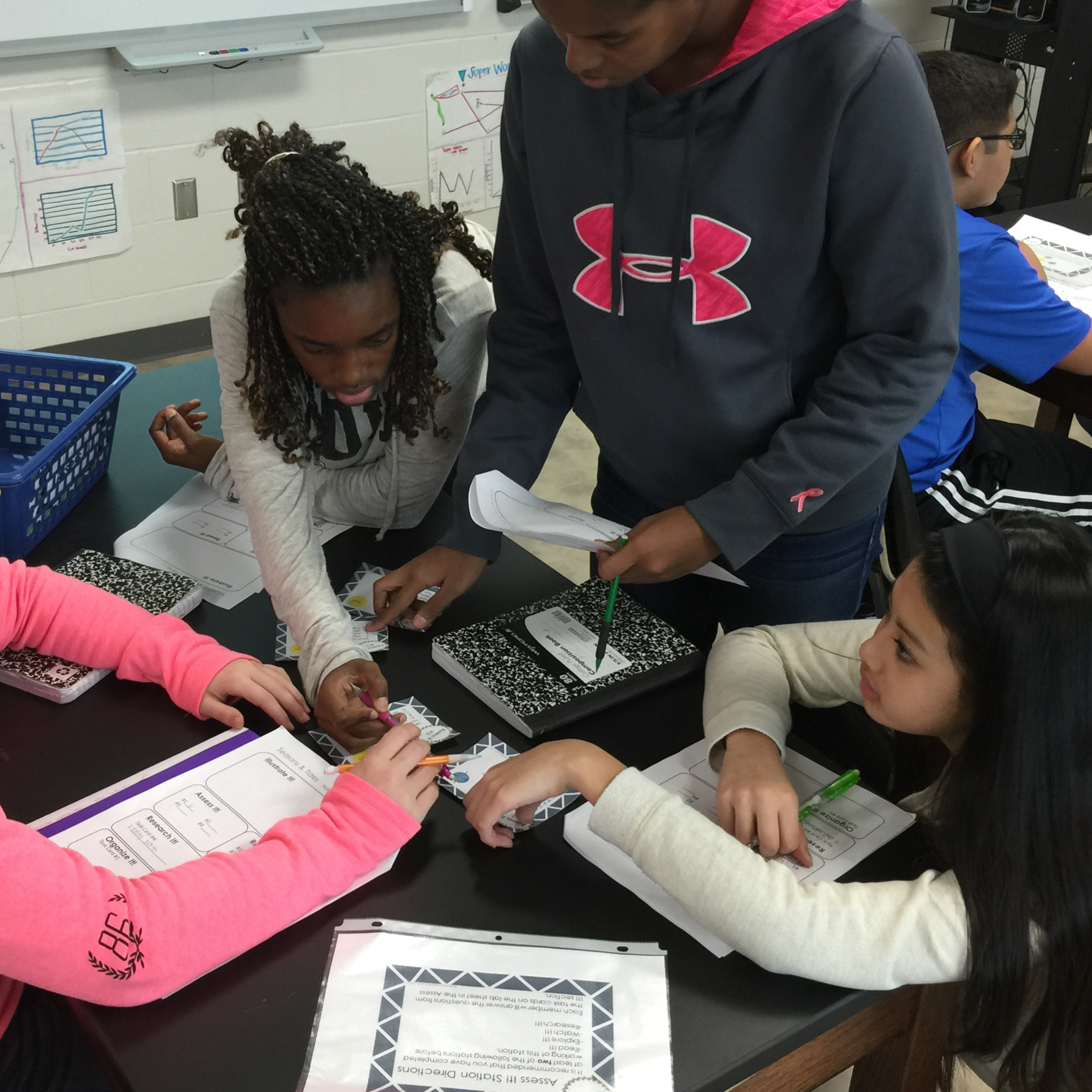
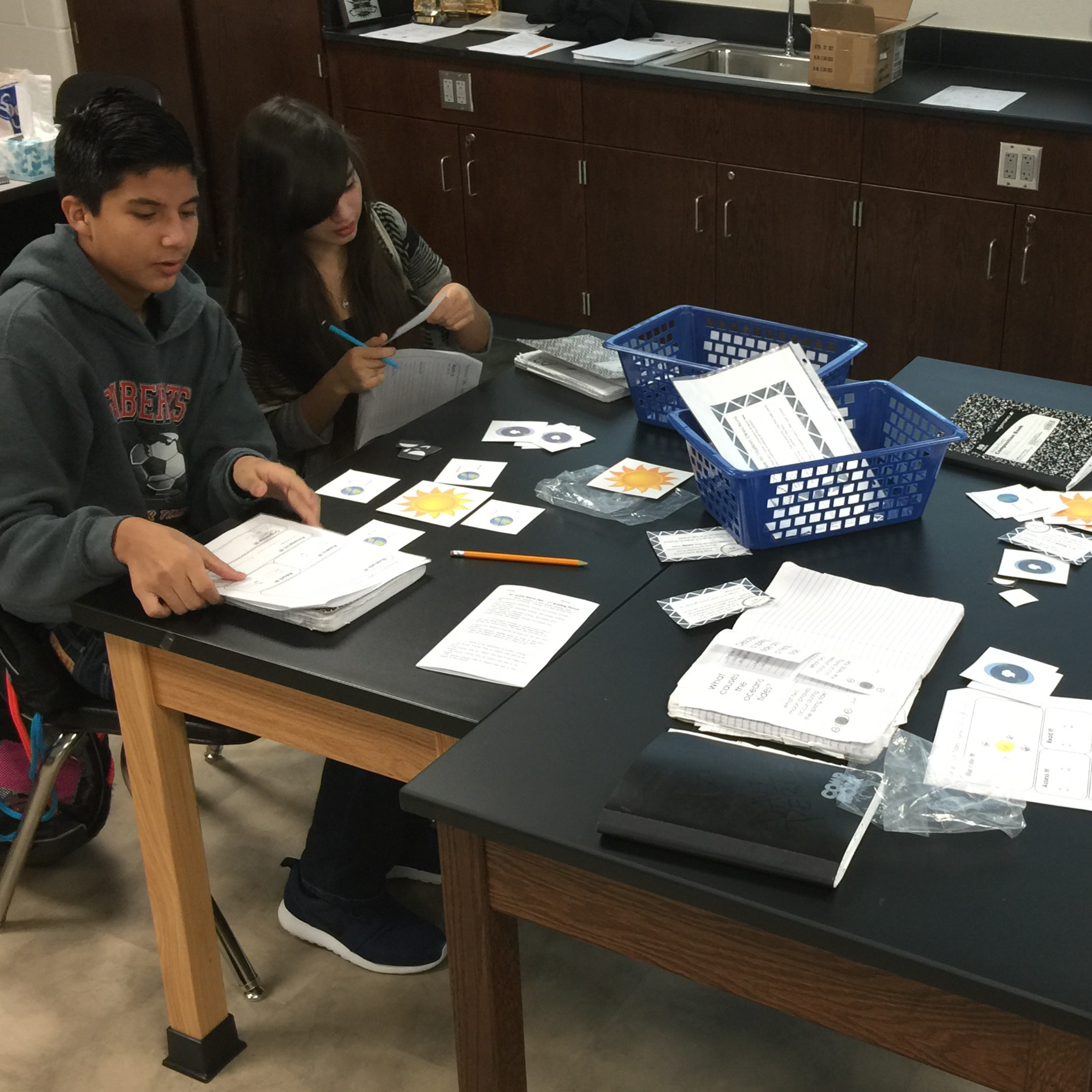
See It in Action
Book a walkthrough and we'll show you how Kesler Science fits your campus.
Book Demo CallNo pressure, no hard sell