Skip to content
Hero | Texas Hub Module

Texas Science Teacher Resource Hub

Free scope and sequences, TEKS breakdowns, phenomenon ideas, and engagement activities for the 2024 Texas science standards.

Chris Kesler
I'm Chris Kesler, a former award-winning Texas middle school science teacher and founder of Kesler Science. This is the site I wish I'd had in the classroom. One hub with TEKS breakdowns, scope and sequences, phenomenon starters, engagement ideas, and resources, all aligned to the standards you actually teach.
TEKS Details | Texas Hub Module

7th Grade TEKS Standards

Click any standard to see what it means, how to teach it, where students get stuck, and aligned resources.

TEKS 7.13A β€’ Organisms & Environments

Body Systems & Functions

The Standard

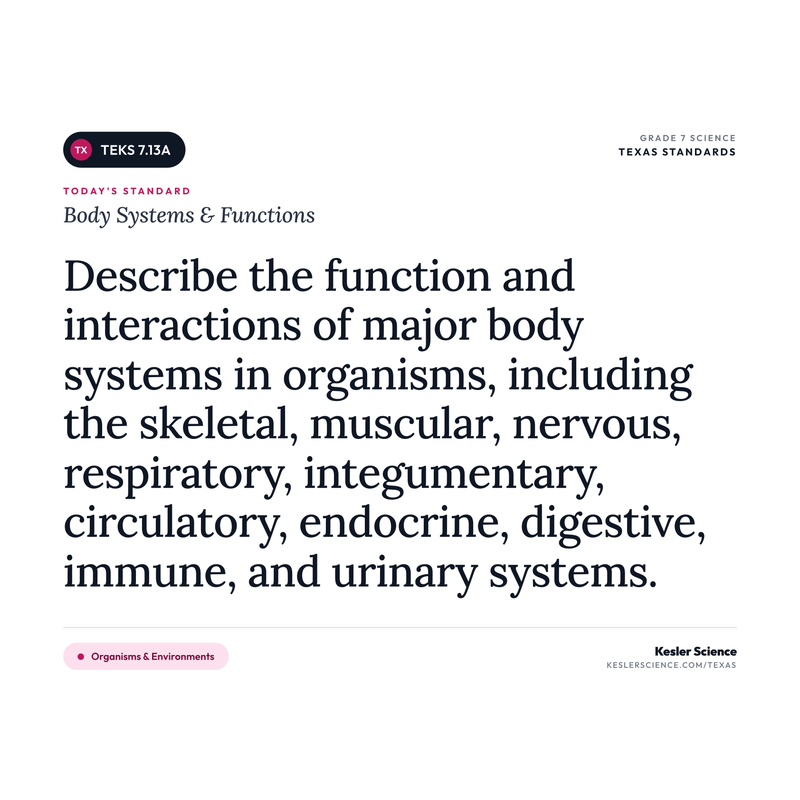
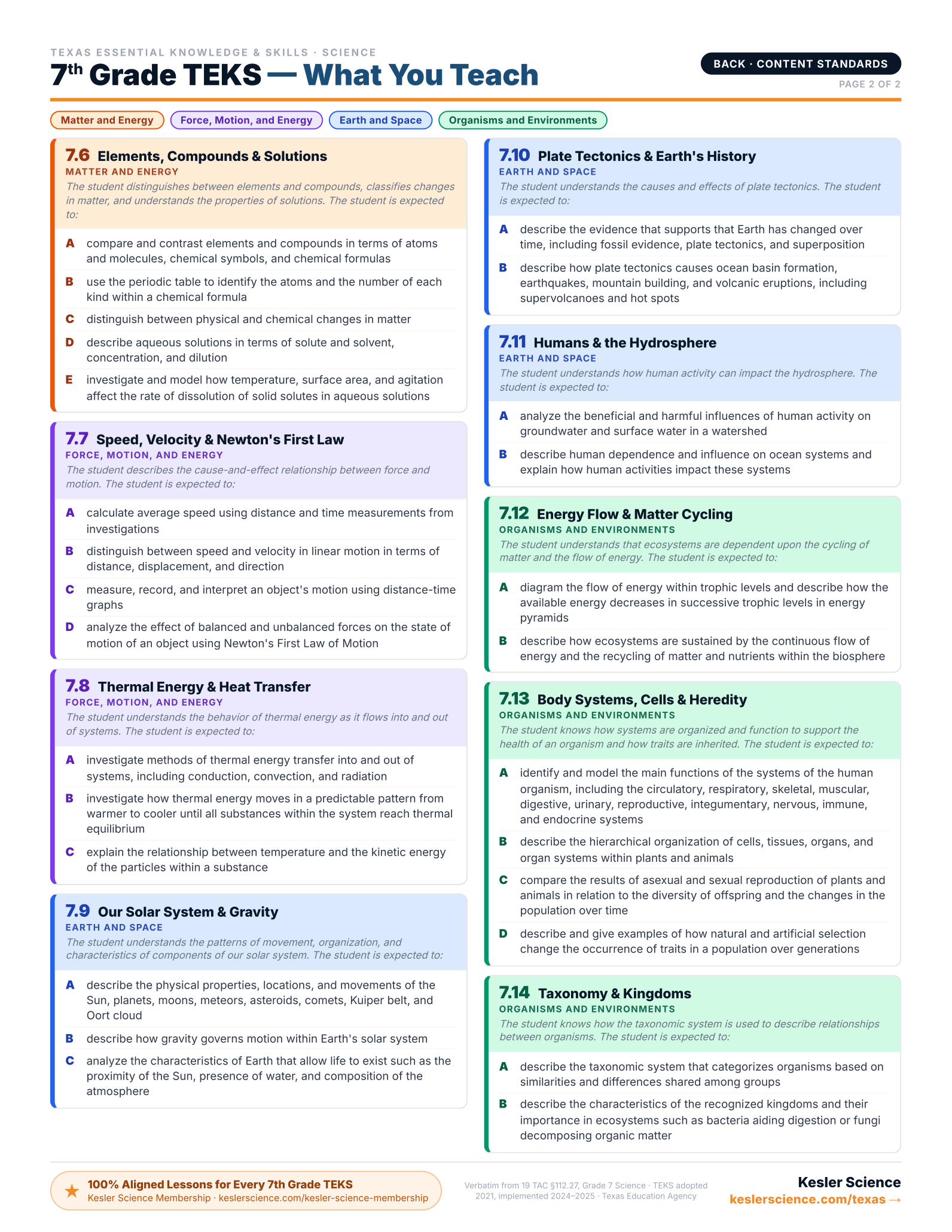
"Identify and model the main functions of the systems of the human organism, including the circulatory, respiratory, skeletal, muscular, digestive, urinary, reproductive, integumentary, nervous, immune, and endocrine systems."

πŸ’‘ What This Standard Actually Means

The Key Verb

"Identify and model". Students are identifying the main functions of the systems of the human organism and creating models that show those functions. The 2024 TEKS lists eleven systems by name: circulatory, respiratory, skeletal, muscular, digestive, urinary, reproductive, integumentary, nervous, immune, and endocrine. The two main shifts are the addition of the reproductive system and the explicit verb "model." Kids need to be able to draw or build a representation of each system in action, not just describe it on paper. Instruction can take many forms, such as body system poster projects, lifesize human outline modeling, function-matching card sorts, and short build activities like a paper bag respiratory system.

The human body is a collection of eleven systems working together. Each one has a specific main function, but no system runs on its own. The 2024 TEKS calls out all eleven by name, including the reproductive system, which is a new addition for this standard.

The circulatory system moves blood, oxygen, nutrients, hormones, and waste around the body. The respiratory system handles gas exchange, taking in oxygen and releasing carbon dioxide. The skeletal system provides support, protects organs, and stores minerals. The muscular system produces movement and generates body heat. The digestive system breaks down food into nutrients the body can absorb. The urinary system filters waste out of the blood and removes it as urine. The reproductive system produces sex cells and supports the creation of new offspring. The integumentary system (skin, hair, and nails) is the body's outer barrier and helps regulate temperature.

The nervous system sends and receives electrical signals to coordinate everything the body does, fast. The immune system defends the body against bacteria, viruses, and other threats. The endocrine system uses hormones to send slower, longer-lasting signals that regulate growth, metabolism, and stress responses. The big idea students should walk away with is that these systems work together. When a kid runs in gym class, the muscular system needs more oxygen, so the respiratory system breathes faster, the circulatory system pumps faster to deliver it, the nervous system coordinates the whole response, and the integumentary system sweats to dump heat. When students model the systems, they should show both the structure and what it actually does.

πŸ’¬ From Chris's Classroom

I used to teach body systems one at a time, quiz on each, and move on. Kids could name parts but had no idea how anything connected. The fix was a weekly "what happened in your body?" question. After PE, I'd ask, "You ran the mile. Tell me three systems that worked together to make that happen." They'd argue it out. Muscular used the energy. Respiratory pulled in oxygen. Circulatory moved it. Nervous told everybody when to start. Skeletal gave them something to push off of. Once they started seeing systems as a team, the unit summary was almost an afterthought. They just knew it.

πŸ‘‰ Purchase the Complete 5E Lesson for TEKS 7.13A

⚠️ Misconceptions Your Students May Have

These are some of the most common misconceptions. Knowing what to look for can help you get ahead of them.

Γ—

"Each body system works on its own"

βœ“

This is the biggest trap. Students learn the systems one at a time and assume they run independently. In reality, almost nothing in the body happens without multiple systems pitching in. Taking a breath uses respiratory, muscular, nervous, and skeletal. Eating a sandwich involves digestive, circulatory, endocrine, and nervous. The systems are a team.

Γ—

"The heart makes oxygen"

βœ“

Students mix up the jobs of the heart and the lungs. The lungs bring oxygen into the body from the air. The heart pumps the oxygen-carrying blood around. The heart doesn't create oxygen, and the lungs don't pump. Two separate systems, two separate jobs, working as a pair.

Γ—

"Skin isn't really a body system"

βœ“

Skin, hair, and nails make up the integumentary system, and it's every bit as important as the others. It keeps pathogens out, holds water in, regulates temperature through sweating, and senses the environment. The integumentary system is often the one students forget on a blank list.

Γ—

"Homeostasis means staying exactly the same"

βœ“

Homeostasis is keeping internal conditions within a stable range, not locking them to a single number. Body temperature, blood sugar, and pH all shift a little throughout the day. The systems work to bring those values back toward normal when they drift too far. Stable does not mean frozen.

πŸ““ Teaching Resources for 7.13A

These resources are aligned to this standard.
Body Systems & Functions β€” I Can Poster Pack cover
FREE
Body Systems & Functions β€” I Can Poster Pack
Print-ready classroom poster pack for TEKS 7.13A. Includes the verbatim Texas standard plus student-language "I Can" statements broken into daily learning goals. Landscape letter, ready to print and post on your wall.
πŸ“ Best for: Daily learning-goal board β€’ Print and post
Skeletal System Station Lab cover
Station Lab
Skeletal System Station Lab
9-station hands-on lab covering the bones, structure, and function of the skeletal system. Input and output stations, print and digital.
πŸ”¬ Best for: Core instruction β€’ 1-2 class periods
Circulatory System Hands-On Inquiry Lab cover
Hands-On Inquiry Lab
Circulatory System Hands-On Inquiry Lab
A hands-on inquiry investigation where students investigate the structures and functions of the circulatory system. Includes student handouts, teacher guide, and materials list. 3 versions for differentiation. Both print and digital version included.
πŸ§ͺ Best for: Inquiry-based investigation β€’ 1-2 class periods
Digestive System Hands-On Inquiry Lab cover
Hands-On Inquiry Lab
Digestive System Hands-On Inquiry Lab
A hands-on inquiry investigation where students investigate the structures and functions of the digestive system. Includes student handouts, teacher guide, and materials list. 3 versions for differentiation. Both print and digital version included.
πŸ§ͺ Best for: Inquiry-based investigation β€’ 1-2 class periods
Endocrine System Hands-On Inquiry Lab cover
Hands-On Inquiry Lab
Endocrine System Hands-On Inquiry Lab
A hands-on inquiry investigation where students investigate the structures and functions of the endocrine system. Includes student handouts, teacher guide, and materials list. 3 versions for differentiation. Both print and digital version included.
πŸ§ͺ Best for: Inquiry-based investigation β€’ 1-2 class periods
Muscular System Hands-On Inquiry Lab cover
Hands-On Inquiry Lab
Muscular System Hands-On Inquiry Lab
A hands-on inquiry investigation where students investigate the structures and functions of the muscular system. Includes student handouts, teacher guide, and materials list. 3 versions for differentiation. Both print and digital version included.
πŸ§ͺ Best for: Inquiry-based investigation β€’ 1-2 class periods
Nervous System Hands-On Inquiry Lab cover
Hands-On Inquiry Lab
Nervous System Hands-On Inquiry Lab
A hands-on inquiry investigation where students investigate the structures and functions of the nervous system. Includes student handouts, teacher guide, and materials list. 3 versions for differentiation. Both print and digital version included.
πŸ§ͺ Best for: Inquiry-based investigation β€’ 1-2 class periods
Respiratory System Hands-On Inquiry Lab cover
Hands-On Inquiry Lab
Respiratory System Hands-On Inquiry Lab
A hands-on inquiry investigation where students investigate the structures and functions of the respiratory system. Includes student handouts, teacher guide, and materials list. 3 versions for differentiation. Both print and digital version included.
πŸ§ͺ Best for: Inquiry-based investigation β€’ 1-2 class periods
Skeletal System Hands-On Inquiry Lab cover
Hands-On Inquiry Lab
Skeletal System Hands-On Inquiry Lab
A hands-on inquiry investigation where students investigate the structures and functions of the skeletal system. Includes student handouts, teacher guide, and materials list. 3 versions for differentiation. Both print and digital version included.
πŸ§ͺ Best for: Inquiry-based investigation β€’ 1-2 class periods
Excretory System Hands-On Inquiry Lab cover
Hands-On Inquiry Lab
Excretory System Hands-On Inquiry Lab
A hands-on inquiry investigation where students investigate the structures and functions of the excretory system. Includes student handouts, teacher guide, and materials list. 3 versions for differentiation. Both print and digital version included.
πŸ§ͺ Best for: Inquiry-based investigation β€’ 1-2 class periods
Muscular System Station Lab cover
Station Lab
Muscular System Station Lab
9-station hands-on lab on how muscles produce movement and work with the skeletal and nervous systems. Print and digital.
πŸ”¬ Best for: Core instruction β€’ 1-2 class periods
Nervous System Station Lab cover
Station Lab
Nervous System Station Lab
9-station hands-on lab on how the brain, spinal cord, and nerves send signals and coordinate the body's responses. Print and digital.
πŸ”¬ Best for: Core instruction β€’ 1-2 class periods
Respiratory System Station Lab cover
Station Lab
Respiratory System Station Lab
9-station hands-on lab on how lungs exchange oxygen and carbon dioxide and connect to the circulatory system. Print and digital.
πŸ”¬ Best for: Core instruction β€’ 1-2 class periods
Integumentary System Station Lab cover
Station Lab
Integumentary System Station Lab
9-station hands-on lab on skin, hair, and nails as the body's barrier, temperature regulator, and sensor. Print and digital.
πŸ”¬ Best for: Core instruction β€’ 1-2 class periods
Circulatory System Station Lab cover
Station Lab
Circulatory System Station Lab
9-station hands-on lab on the heart, blood, and vessels that transport oxygen, nutrients, and waste. Print and digital.
πŸ”¬ Best for: Core instruction β€’ 1-2 class periods
Endocrine System Station Lab cover
Station Lab
Endocrine System Station Lab
9-station hands-on lab on how hormones from glands regulate growth, metabolism, and other long-term processes. Print and digital.
πŸ”¬ Best for: Core instruction β€’ 1-2 class periods
Digestive System Station Lab cover
Station Lab
Digestive System Station Lab
9-station hands-on lab that traces food through the digestive tract and connects digestion to the circulatory system. Print and digital.
πŸ”¬ Best for: Core instruction β€’ 1-2 class periods
Immune System Station Lab cover
Station Lab
Immune System Station Lab
9-station hands-on lab on how the body defends against pathogens through barriers, white blood cells, and the immune response. Print and digital.
πŸ”¬ Best for: Core instruction β€’ 1-2 class periods
Urinary System Station Lab cover
Station Lab
Urinary System Station Lab
9-station hands-on lab on how the kidneys filter blood and remove waste as urine, and how this supports homeostasis. Print and digital.
πŸ”¬ Best for: Core instruction β€’ 1-2 class periods
Skeletal System Functions Complete Science Lesson cover
Complete 5E Lesson
Skeletal System Functions Complete Science Lesson
Full 5E unit for the skeletal system system: differentiated station labs, editable presentations, interactive notebooks (English + Spanish), student-choice projects, and assessments. Built on the 5E model.
⏱ Best for: Full unit coverage β€’ ~10 class periods
Muscular System Functions Complete Science Lesson cover
Complete 5E Lesson
Muscular System Functions Complete Science Lesson
Full 5E unit for the muscular system system: differentiated station labs, editable presentations, interactive notebooks (English + Spanish), student-choice projects, and assessments. Built on the 5E model.
⏱ Best for: Full unit coverage β€’ ~10 class periods
Nervous System Functions Complete Science Lesson cover
Complete 5E Lesson
Nervous System Functions Complete Science Lesson
Full 5E unit for the nervous system system: differentiated station labs, editable presentations, interactive notebooks (English + Spanish), student-choice projects, and assessments. Built on the 5E model.
⏱ Best for: Full unit coverage β€’ ~10 class periods
Respiratory System Functions Complete Science Lesson cover
Complete 5E Lesson
Respiratory System Functions Complete Science Lesson
Full 5E unit for the respiratory system system: differentiated station labs, editable presentations, interactive notebooks (English + Spanish), student-choice projects, and assessments. Built on the 5E model.
⏱ Best for: Full unit coverage β€’ ~10 class periods
Integumentary System Functions Complete Science Lesson cover
Complete 5E Lesson
Integumentary System Functions Complete Science Lesson
Full 5E unit for the integumentary system system: differentiated station labs, editable presentations, interactive notebooks (English + Spanish), student-choice projects, and assessments. Built on the 5E model.
⏱ Best for: Full unit coverage β€’ ~10 class periods
Circulatory System Functions Complete Science Lesson cover
Complete 5E Lesson
Circulatory System Functions Complete Science Lesson
Full 5E unit for the circulatory system system: differentiated station labs, editable presentations, interactive notebooks (English + Spanish), student-choice projects, and assessments. Built on the 5E model.
⏱ Best for: Full unit coverage β€’ ~10 class periods
Endocrine System Functions Complete Science Lesson cover
Complete 5E Lesson
Endocrine System Functions Complete Science Lesson
Full 5E unit for the endocrine system system: differentiated station labs, editable presentations, interactive notebooks (English + Spanish), student-choice projects, and assessments. Built on the 5E model.
⏱ Best for: Full unit coverage β€’ ~10 class periods
Digestive System Functions Complete Science Lesson cover
Complete 5E Lesson
Digestive System Functions Complete Science Lesson
Full 5E unit for the digestive system system: differentiated station labs, editable presentations, interactive notebooks (English + Spanish), student-choice projects, and assessments. Built on the 5E model.
⏱ Best for: Full unit coverage β€’ ~10 class periods
Immune System Functions Complete Science Lesson cover
Complete 5E Lesson
Immune System Functions Complete Science Lesson
Full 5E unit for the immune system system: differentiated station labs, editable presentations, interactive notebooks (English + Spanish), student-choice projects, and assessments. Built on the 5E model.
⏱ Best for: Full unit coverage β€’ ~10 class periods
Urinary System Functions Complete Science Lesson cover
Complete 5E Lesson
Urinary System Functions Complete Science Lesson
Full 5E unit for the urinary system system: differentiated station labs, editable presentations, interactive notebooks (English + Spanish), student-choice projects, and assessments. Built on the 5E model.
⏱ Best for: Full unit coverage β€’ ~10 class periods
7th Grade Planning Document - Full Year cover
FREE
7th Grade Planning Document - Full Year
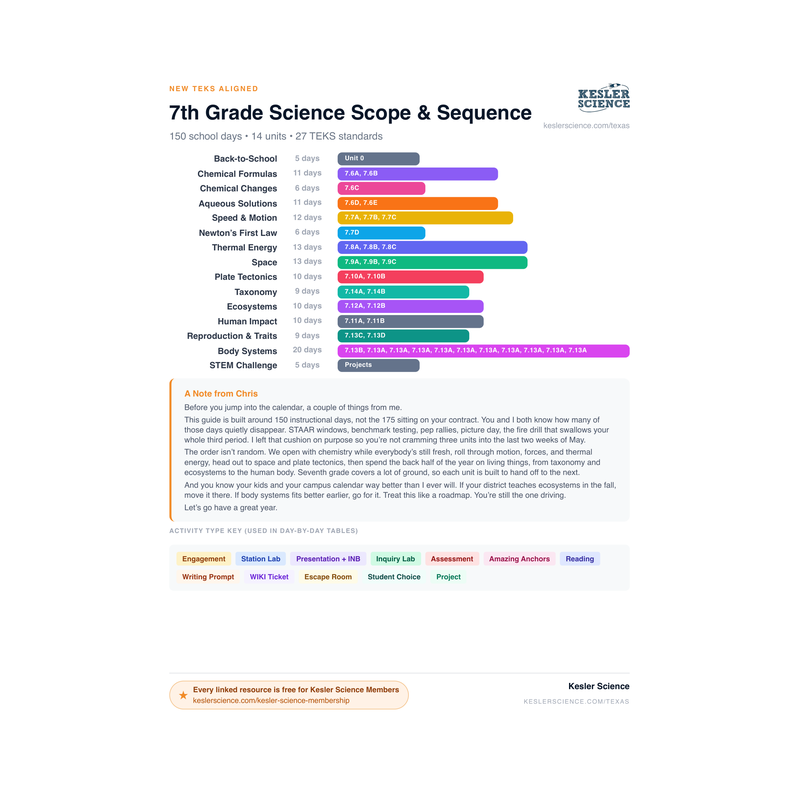
Your whole year has been mapped out. This document includes a day-by-day pacing guide that puts every 7th grade TEKS in teaching order, with each day linked to the Kesler Science activity that covers it. Print it, plan with it, and pace your entire year.
πŸ“… Best for: Full-Year Planning for Teachers
The Kesler Science Membership

100% Aligned Lessons for Every TEKS You Teach

The membership gives you access to thousands of lessons and activities designed to boost student engagement and reclaim valuable teaching time. Trusted by schools and districts all over the great state of Texas.

🌎 Phenomenon Ideas for 7.13A

Use these real-world phenomena to anchor your lesson. Show students the phenomenon first, let them wonder, then build toward Body Systems & Functions as the explanation.

πŸ”Ž
Phenomenon 1

Running the Mile in PE

A student starts running the mile at a resting heart rate of around 70 beats per minute. Three minutes in, their heart is pounding, their breathing is fast, their face is red, and they're sweating. When they stop, the body slowly brings everything back down over several minutes. All of those changes came from different body systems responding to the same activity.

πŸ’¬ Discussion Prompt

"Name every body system you can think of that had to do something to make running possible. What was each one's job? What triggered all of them to change at the same time?"

πŸ”Ž
Phenomenon 2

The Journey of a Cheeseburger

A student eats a cheeseburger at lunch. Within minutes, the stomach is already breaking it down. Within an hour or two, nutrients from that burger are circulating in the blood and being delivered to cells all over the body. Waste products get filtered out and sent out of the body. The student never thinks about any of it while they're eating, but at least four body systems are working together to turn food into energy and raw materials.

πŸ’¬ Discussion Prompt

"Trace the path of one bite of that burger. Which body system does what, and which systems have to work together to keep the process going?"

πŸ”Ž
Phenomenon 3

Pulling Your Hand Away From a Hot Pan

Someone reaches out and their fingers brush a hot pan. Before they even think about it, their hand is already yanked back. The whole reaction can happen in a fraction of a second, faster than they can consciously decide to move. Multiple body systems had to fire in a specific order to make that happen.

πŸ’¬ Discussion Prompt

"Which system detected the heat? Which system sent the signal to move? Which system actually moved the hand? Why does this happen so fast, and what would happen if one of those systems was slow to respond?"

πŸ’‘ Free Engagement Ideas for 7.13A

01

Body System Trace Map

Give each group a large sheet of butcher paper and have one student lie down while others trace their outline. Then have groups draw or label each of the 11 systems inside the outline using markers (circulatory, respiratory, skeletal, muscular, digestive, urinary, reproductive, integumentary, nervous, immune, and endocrine). Every system has to connect to at least one other system with an arrow showing what they share. Great way to force the "systems work together" idea.

Materials: Butcher paper, markers, sticky notes
02

Heart Rate & Breathing Challenge

Students record their resting heart rate and breathing rate. Then they do 30 seconds of jumping jacks and record again. Then 60 seconds. Then 90 seconds. They chart the results and write one paragraph explaining which systems were involved and why the numbers changed. This links respiratory, circulatory, muscular, and nervous in one activity.

Materials: Stopwatch or phone timer, paper, pencil
03

System Emergency Scenario Cards

Create index cards with short scenarios: "You just ate a huge meal." "You got a paper cut." "You're in a cold classroom." "You just heard a loud noise." Groups pull a card and list every system that responds, in order, with what each system does. Share out and compare answers.

Materials: Index cards, pens, timer
04

"If This System Failed..." Writing Prompt

Assign each student one body system. They write a short paragraph describing what would happen to the whole body if their system suddenly stopped working. Then they pair up with someone who had a different system and compare how the two failures would affect each other. Drives home that no system works alone.

Materials: Paper, pencils, optional: system fact sheets

🎯 What Approaches, Meets, and Masters Thinking Look Like

Here is what student thinking at each level looks like on this one task, so you know what to look for and how to move a student up.

A reminder on how to read this: a student's actual STAAR level comes from their overall test score, not from any single answer, so these three samples illustrate the depth of understanding the state describes at each level, not an official score. And like a real STAAR question, this task takes just one example from the standard and applies it. The full TEKS is covered across many different tasks, not this one alone.
The Prompt

A student is running laps in gym class. Draw and label a model that shows what is happening inside the runner's body. Pick at least three body systems, show the main job each one is doing during the run, and explain how those systems work together to keep the runner going.

βœ… What I'd Look For in Their Work
  • A labeled model (not just a list) that shows at least three body systems inside the running body.
  • The correct main function named for each system shown, such as the respiratory system bringing in oxygen.
  • The respiratory and circulatory jobs kept separate: lungs bring in oxygen, the heart pumps the blood that carries it.
  • The muscular system shown doing its job (moving the legs) and needing more oxygen during the run.
  • At least one connecting arrow or sentence that links one system's job to another's.
  • An explanation that the systems are working together, not just sitting next to each other in the same body.
  • The runner's faster breathing and faster heartbeat explained as a team response to the muscles needing more oxygen. That link is the easiest one to leave out.
Approaches
Names the parts, treats each system as separate
✏️ Student Wrote
πŸ–Œ What they drew: A body outline with three boxes inside it: a heart labeled "circulatory," lungs labeled "respiratory," and leg muscles labeled "muscular." No arrows between them.

The circulatory system is the heart and it pumps blood. The respiratory system is the lungs and they breathe. The muscular system is the muscles and they move the legs to run. Each system has its own job and does it by itself.

πŸ‘€ What I'd Notice
Approaches-level thinking. They can name three systems and give each one a job, which is the familiar part. But they fall into the most common trap and write that each system "does it by itself." There are no arrows and no links, so the model shows three separate machines, not a team. To move them up, I'd point at the heart and lungs and ask, β€œWhen the legs need more oxygen, who has to speed up to get it there?” That one question pushes them toward connecting the systems.
Meets
Models the functions and links the systems
✏️ Student Wrote
πŸ–Œ What they drew: A body outline with lungs, heart, and leg muscles. An arrow from the lungs to the heart labeled "oxygen," an arrow from the heart to the leg muscles labeled "blood with oxygen," and an arrow back from the muscles labeled "carbon dioxide."

When the runner runs, the muscular system moves the legs and needs a lot of oxygen. The respiratory system breathes faster so the lungs take in more oxygen. The circulatory system pumps faster so the heart sends the oxygen in the blood to the leg muscles. The lungs do not pump and the heart does not make oxygen. They have different jobs but they work together so the runner can keep going.

πŸ‘€ What I'd Notice
Meets-level thinking. The model shows functions plus connections, with arrows that follow the oxygen from the lungs to the heart to the muscles. The student keeps the respiratory and circulatory jobs straight, which is exactly where kids usually blur the heart and lungs together. This is solid, grade-level command of identifying and modeling the systems and showing them working as a team in a familiar example.
Masters
Explains the teamwork and transfers it to a new situation
✏️ Student Wrote
πŸ–Œ What they drew: The running body with lungs, heart, and leg muscles linked by oxygen and blood arrows. Added: a brain labeled "nervous system" with a signal arrow telling the lungs and heart to speed up, and sweat drops on the skin labeled "integumentary system, cooling down." Off to the side, a small sketch of the same body sitting still and resting.

While the runner runs, the muscular system works hard and needs more oxygen, so the respiratory system breathes faster and the circulatory system pumps faster to deliver it. None of that happens on its own. The nervous system senses the body working harder and sends the signal that tells the heart and lungs to speed up. The integumentary system makes sweat so the body does not overheat. The systems share jobs to keep the inside of the body steady.

I know this is teamwork and not separate machines because of what happens when the runner stops. The legs do not need much oxygen anymore, so the nervous system lets the heart and lungs slow back down and the breathing returns to normal. The same systems adjust together both ways, speeding up for the run and settling down for the rest.
πŸ‘€ What I'd Notice
Masters-level thinking. The student doesn't just connect the systems, they explain why the body acts as a coordinated team and bring in the nervous system as the controller and the integumentary system as the cooler. Then they transfer it to a new situation, the moment the runner stops, and reason that the same systems adjust back down together. Applying the teamwork idea to a case that wasn't drawn in the running model is exactly what the state uses to separate Masters from Meets. Note this is deeper thinking about the same standard, identifying and modeling how the systems function together, not content beyond it.
Free Download

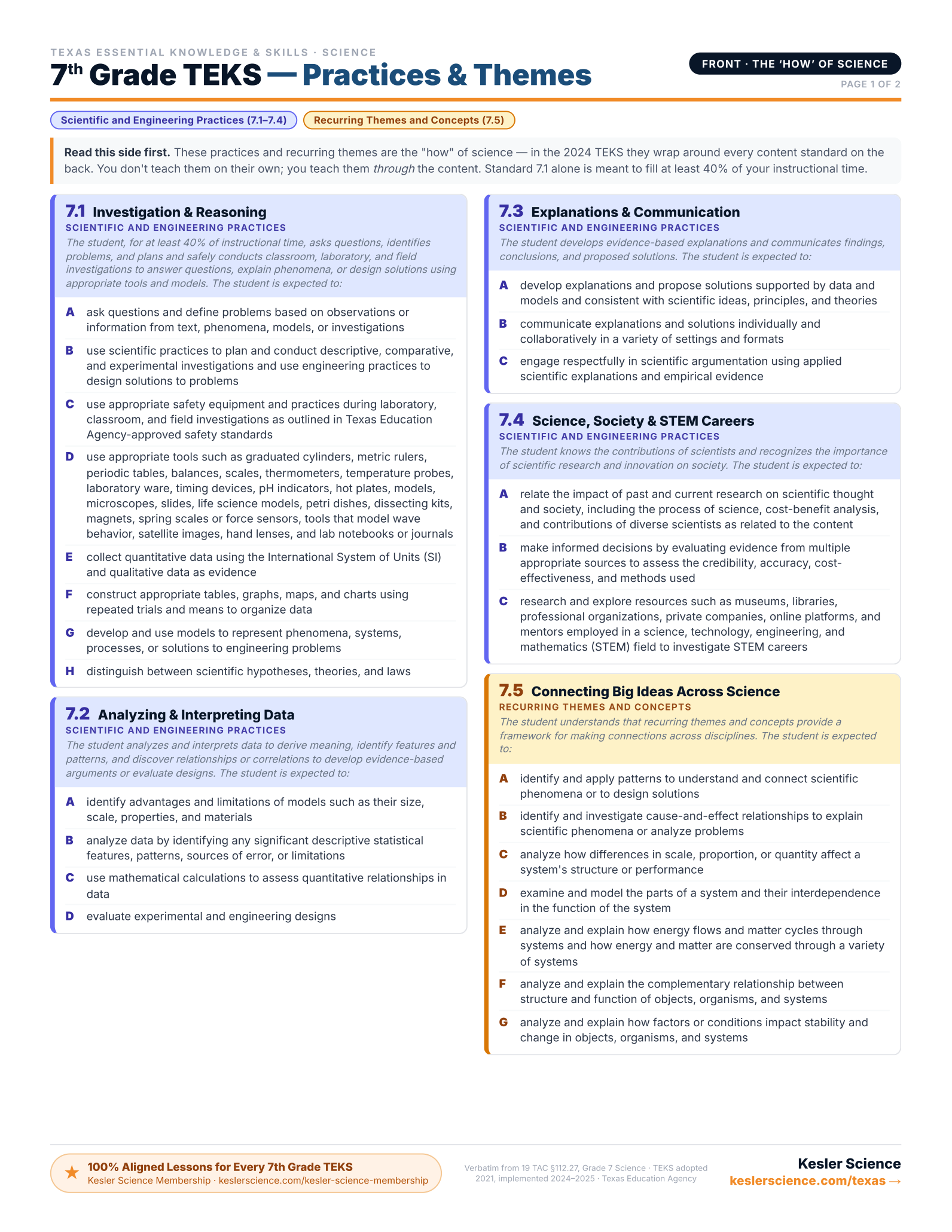
Every 7th-Grade Science TEKS on One Page

The color-coded, front-and-back cheat sheet I wish I'd had β€” every standard, organized by reporting category. Print it and reference it all year long. This will be your new favorite document!

βœ“ All TEKS, color-coded βœ“ Front & back, one page βœ“ Print-and-go
Get the Free At-a-Glance ↓
Trusted Across Texas | Texas Hub Module
Texas Teacher Community

Trusted Across Texas

From the Rio Grande Valley to the Panhandle, Texas science teachers are using Kesler Science to save time and engage students.

Texas Schools and Districts
Love Kesler Science
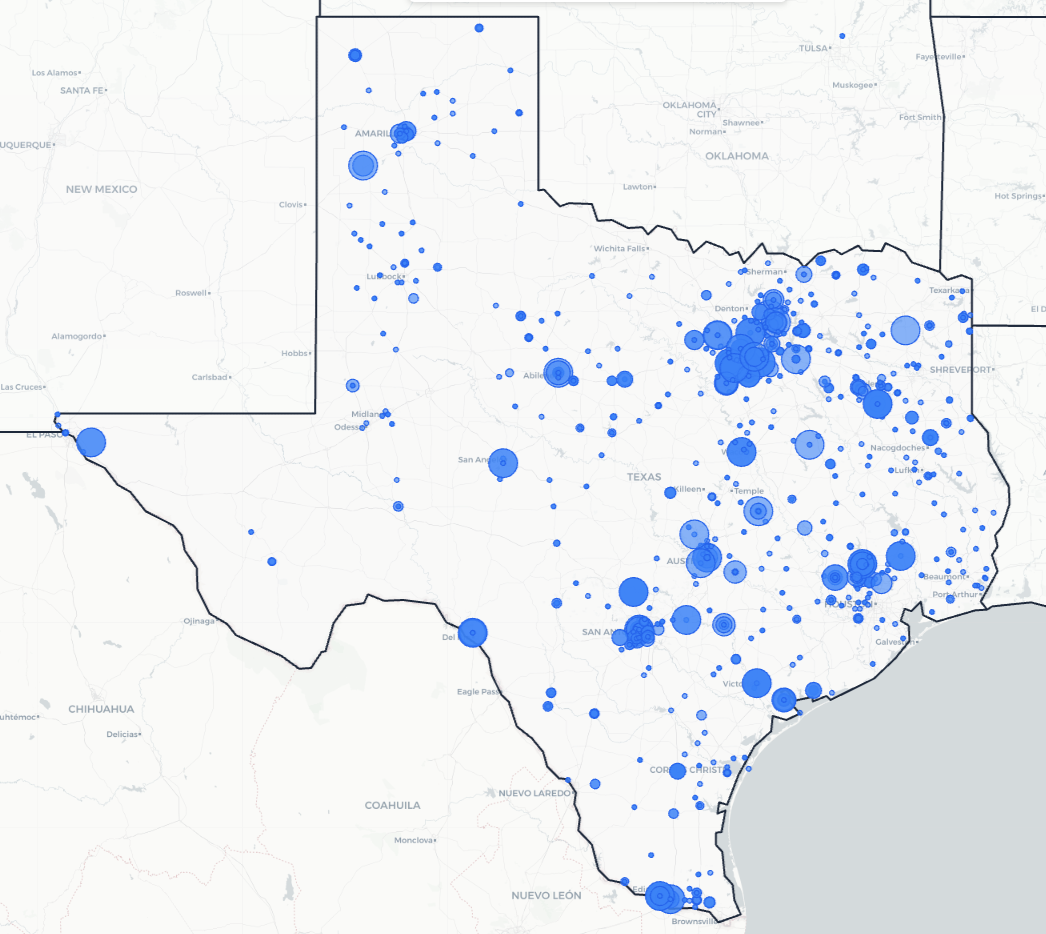
Kesler Science usage across Texas

What Teachers Are Saying

SG
Sandra G.
via email
"Complete, concise, time saving treasure chest of ready-made lessons that fit my standards. Cuts my prep time, increases student engagement, and makes it easier to have a student-led classroom."
SD
Stacy D.
via email
"It is easy to access, updated frequently, well-supported when I have questions, and everything I need is provided. No surprises."
DA
Debra A.
via email
"Kesler has helped me differentiate instruction for students, move toward more inquiry-based labs, and kept me from losing my mind!"
Admin Section | Texas Hub Module
For Administrators

Give Your Science Teachers Everything They Need

School and district licenses give your teachers access to every resource they need, including station labs, inquiry labs, anchoring phenomena, presentations, escape rooms, and much more. One purchase covers the grade levels you need.

  • PO-friendly. We accept purchase orders
  • Volume discounts for 11+ teachers
  • Complimentary membership orientation for 4+ teachers
  • Three free implementation PD sessions for departments of 11+
  • Aligned to the 2024 TEKS standards
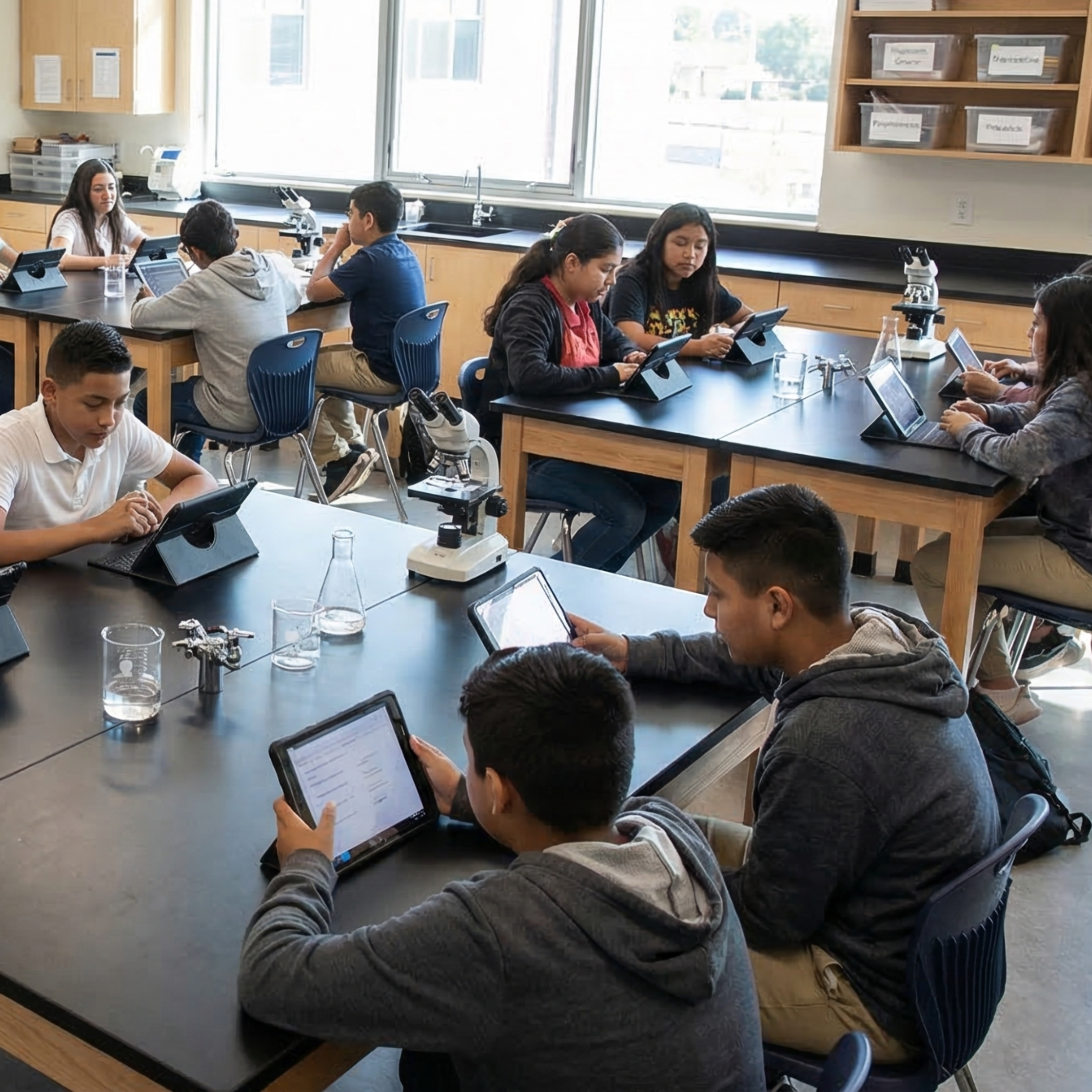
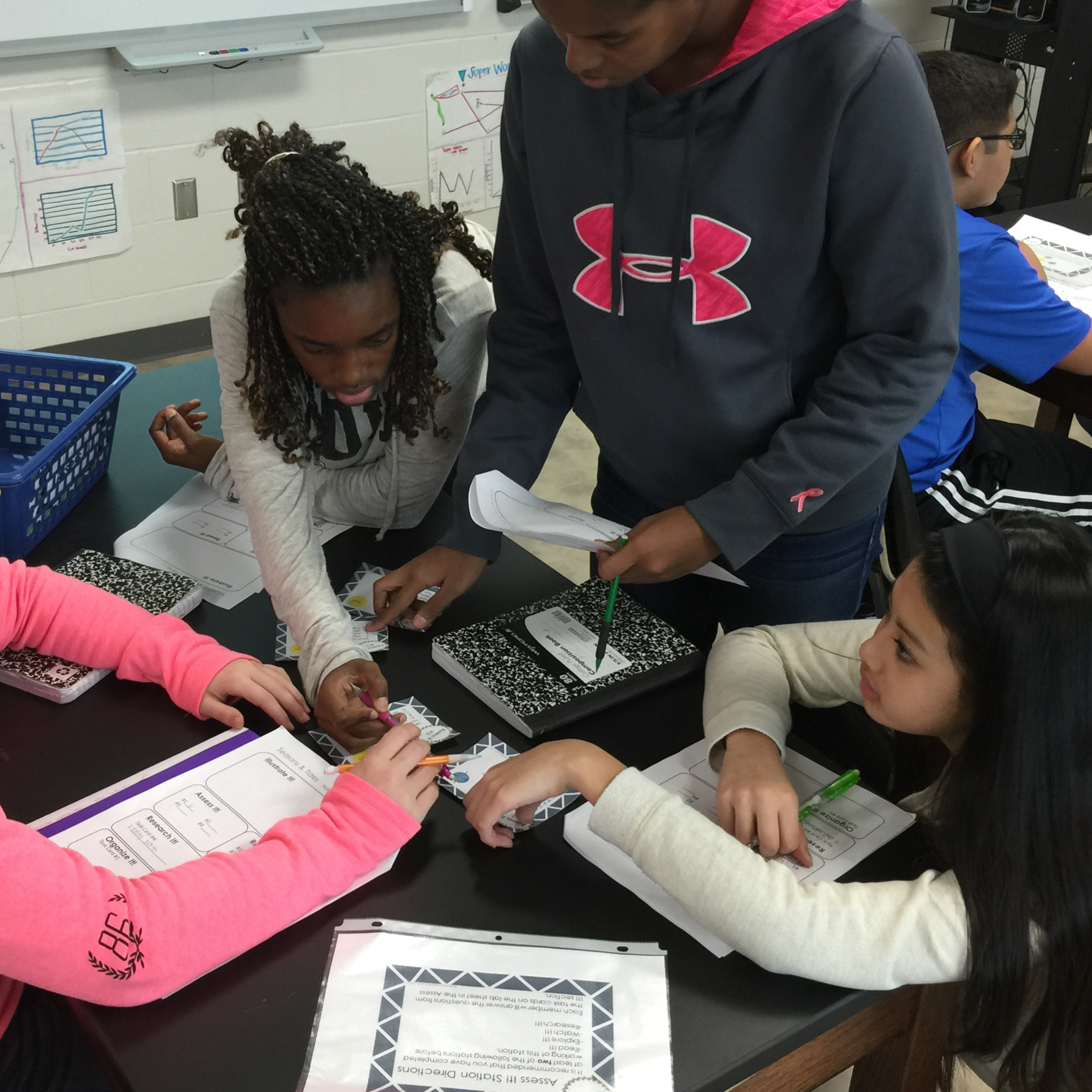
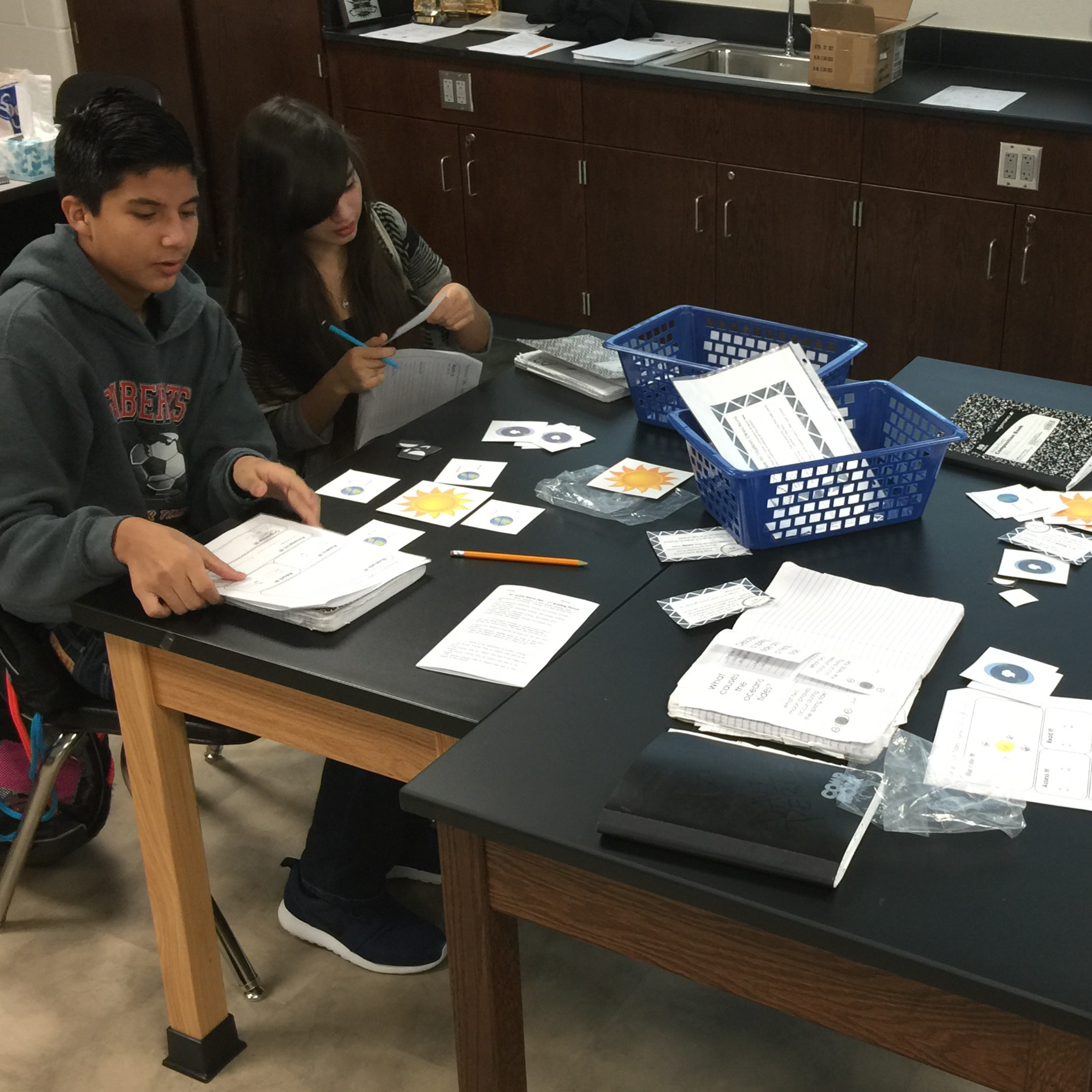
Students working in science classroom Students collaborating on station lab Students working with science materials

See It in Action

Book a walkthrough and we'll show you how Kesler Science fits your campus.

Book Demo Call

No pressure, no hard sell

RC
Rosemarie C.
via email
"My assistant principal stopped in my room and immediately noticed how the students were engrossed in their centers and how they moved seamlessly from center to center. Also the built-in modifications really impressed!"
CG
Cassandra G.
via email
"It provides differentiated instruction for all types of learners, allowing them to become more engaged."
MI
Margaret I.
via email
"I love it all!! I have become a facilitator in my class and I love the excitement it brings to my class. The kids love all that we do with the Kesler products."