.png?width=375&height=100&name=WebPage%20logo%20with%20curves%202026%20(8).png)
NGSS Resource Hub
Three-dimensional breakdowns, phenomena, and classroom-ready activities for every NGSS standard, grades 4-8.

🚀 Jump to Your Discipline
Elementary NGSS Standards
Pick any standard. Each page is your full lesson-planning workspace for that standard.
Defining Design Problems: Turning a Need or Want Into a Problem You Can Actually Solve
"Define a simple design problem reflecting a need or a want that includes specified criteria for success and constraints on materials, time, or cost."
NGSS Lead States. (2013). Next Generation Science Standards: For states, by states (3-5-ETS1-1). The National Academies Press. https://www.nextgenscience.org/dci-arrangement/3-5-ets1-engineering-design
The three dimensions packed into this standard
Every standard bundles a DCI (the content), a SEP (the science practice), and a CCC (the crosscutting lens). They run in the same task, not in sequence.
"Possible solutions to a problem are limited by available materials and resources (constraints). The success of a designed solution is determined by considering the desired features of a solution (criteria). Different proposals for solutions can be compared on the basis of how well each one meets the specified criteria for success or how well each takes the constraints into account."
National Research Council. (2012). A framework for K-12 science education: Practices, crosscutting concepts, and core ideas. The National Academies Press. https://doi.org/10.17226/13165
This standard is not about building yet. It is about getting the problem clear before anyone touches a glue stick. Elementary students take a fuzzy need, like "my backpack is too heavy," and turn it into a sharp problem with rules. Criteria are what success looks like (it has to hold all my books and feel lighter). Constraints are the limits you have to live with (only these materials, only this much time). The whole task is naming both before you design.
"Define a simple design problem that can be solved through the development of an object, tool, process, or system and includes several criteria for success and constraints on materials, time, or cost."
National Research Council. (2012). A framework for K-12 science education. The National Academies Press.
In this standard, defining the problem IS the science work. Elementary students do not get handed a tidy task. They look at a messy need, ask sharp questions about it, and pin it down into a problem someone could actually solve. The skill is turning "this is annoying" into "here is exactly what has to happen and exactly what I have to work with."
"People's needs and wants change over time, as do their demands for new and improved technologies."
National Research Council. (2012). A framework for K-12 science education. The National Academies Press.
Here is the big idea students carry out the door: engineering starts with people. Every gadget, tool, and design exists because somebody had a need or a want. As life changes, the needs change, so the designs change too. When a 3rd to 5th grader defines a problem, they are doing the very first thing real engineers do: listening to what people actually need.
📍 Where This Standard Fits in the K-12 Progression
Use this to plan the year. Knowing what students should already know and what they're heading toward keeps the lesson focused.
In the K-2 engineering band, students ask questions, make observations, and gather information about a simple problem people want to solve. They notice that a situation people want to change can be turned into a problem. They have not yet had to spell out clear criteria for success or list constraints on materials, time, or cost.
Defining Design Problems: Turning a Need or Want Into a Problem You Can Actually Solve
In the middle school engineering band, students define a problem more precisely. They define criteria and constraints, and they also consider relevant scientific principles and the potential impacts on people and the natural environment that could limit possible solutions.
🌎 Phenomena for 3-5-ETS1-1
Anchor the lesson in one puzzling phenomenon kids keep coming back to. Use the two investigative phenomena to sharpen specific facets.
The Backpack That's Breaking Your Back
Every elementary student knows the struggle: a backpack so stuffed it pulls your shoulders down and digs into your straps. It is a real, daily, annoying need. But "my backpack stinks" is not a problem you can solve yet. The challenge is to take that complaint and sharpen it into a design problem with clear rules. 3rd to 5th graders will argue about what "better" even means, and that argument IS the work.
"How do we turn "my backpack is too heavy and uncomfortable" into a clear problem an engineer could actually solve?"
- "What exactly is the problem here, the weight, the straps, or how it's packed?"
- "How would we know if a new design actually fixed it?"
- "What are we NOT allowed to change, like the size of the bag or how many books we carry?"
The Lunchbox That Won't Keep Anything Cold
A student opens their lunch at noon and the yogurt is warm and the juice is room temperature. Gross. This sharpens the anchor's big idea around CRITERIA: before anyone designs a better lunchbox, the class has to agree on what "success" actually means. Cold by lunchtime? For how long? Fits in a backpack? Students discover that a need is useless until you decide what would count as solving it.
"What would a lunchbox have to DO for us to say the cold-food problem is solved?"
- "Does it need to stay cold for two hours or all the way to lunch?"
- "How cold is cold enough, and how would we even check?"
- "Does it still count as success if it works but won't fit in our backpack?"
The Class Pet Cage on a Tiny Budget
The class wants a better hideout for the class hamster, but there is a catch: you can only use the bin of recycled cardboard, three pieces of tape, and one class period. This sharpens the anchor's big idea around CONSTRAINTS. Suddenly the dream design crashes into real limits on materials, time, and cost. Students learn that a good problem statement names the limits up front, so nobody designs something they could never actually build.
"How do the limits on our materials, time, and cost change what problem we should even try to solve?"
- "What can we actually build with only cardboard and three pieces of tape?"
- "Is the time limit a constraint we have to plan around?"
- "Should we change our goal because we don't have enough materials for the big idea?"
100% Aligned Lessons for Every NGSS Standard You Teach
The membership gives you access to thousands of lessons and activities designed to boost student engagement and reclaim valuable teaching time. Trusted by schools and districts from every NGSS state.
⚠️ Misconceptions Your Students Will Walk In With
These come up almost every year. Knowing them in advance lets you head them off in the first lesson.
"Engineering means building stuff, so we should start gluing right away."
Building is the fun part, but it comes later. This standard is about the step before building: defining the problem. Real engineers spend a lot of time figuring out exactly what needs to be solved and what the rules are. A clear problem statement saves you from building the wrong thing. Define first, build second.
"Criteria and constraints are basically the same thing."
They are two different jobs. Criteria are what success looks like, the things your solution HAS to do (hold a phone, stay cold, fit in a backpack). Constraints are the limits you must work inside, what you CAN'T go past (only these materials, only one class period, no spending money). Criteria are the goals. Constraints are the fences around the goals.
"There is one correct way to define the problem, and the teacher knows it."
Nope. Two students can look at the same warm-lunchbox need and define it into different good problems. One might focus on keeping juice cold, another on keeping a sandwich crisp. As long as the problem statement has clear criteria and constraints, it works. Defining problems is creative, not a fill-in-the-blank.
"A constraint is a bad thing that ruins your design."
Constraints actually help. When you know you only have cardboard and one class period, you stop dreaming about impossible designs and start solving the real problem. Limits focus your thinking. Every engineer in the world works inside constraints, and the good ones use those limits to come up with smart, simple solutions.
🙋 Common Student Questions and How to Respond
These come up almost every time this standard gets taught. Plan a response and you'll keep the lesson focused.
Push them past the wish. Ask, "A robot that does WHAT, for WHO, and why do they need it?" A want is the start, but it isn't a defined problem yet. Resist the urge to hand them the criteria. Keep asking "what would it have to do?" until they're naming success and limits on their own.
Let them wrestle with it a little. Ask for an example of each. A need is something people really require (a way to carry water). A want is something people would like (a cooler water bottle). For this standard, both are fine starting points. The point is that BOTH kick off a design problem, and students should be able to say which one they're solving.
Don't give them a magic number. Ask, "Could another student build the right thing using just your problem statement?" If yes, they have enough. If the other student would have to ask questions, they're missing a criterion or a constraint. The test is clarity, not quantity.
There are always limits. Ask, "How much time do you have? What materials can you actually get? Can you spend money?" Walk them to the three big constraint buckets in the standard: materials, time, and cost. Every real project bumps into at least one of those, so they'll find theirs fast.
📓 Teaching Resources for 3-5-ETS1-1
These resources are aligned to this standard.
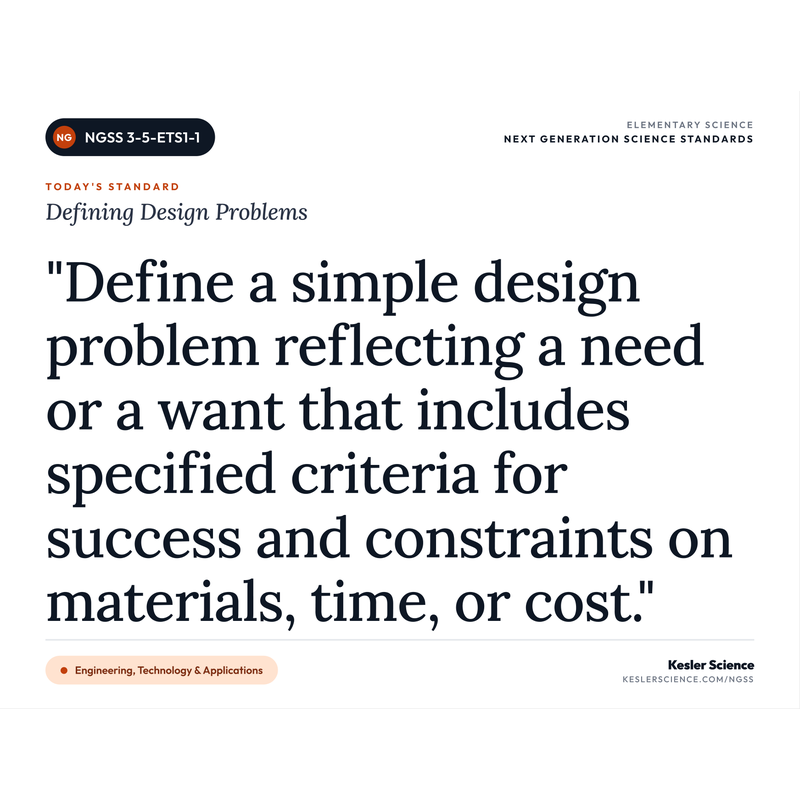
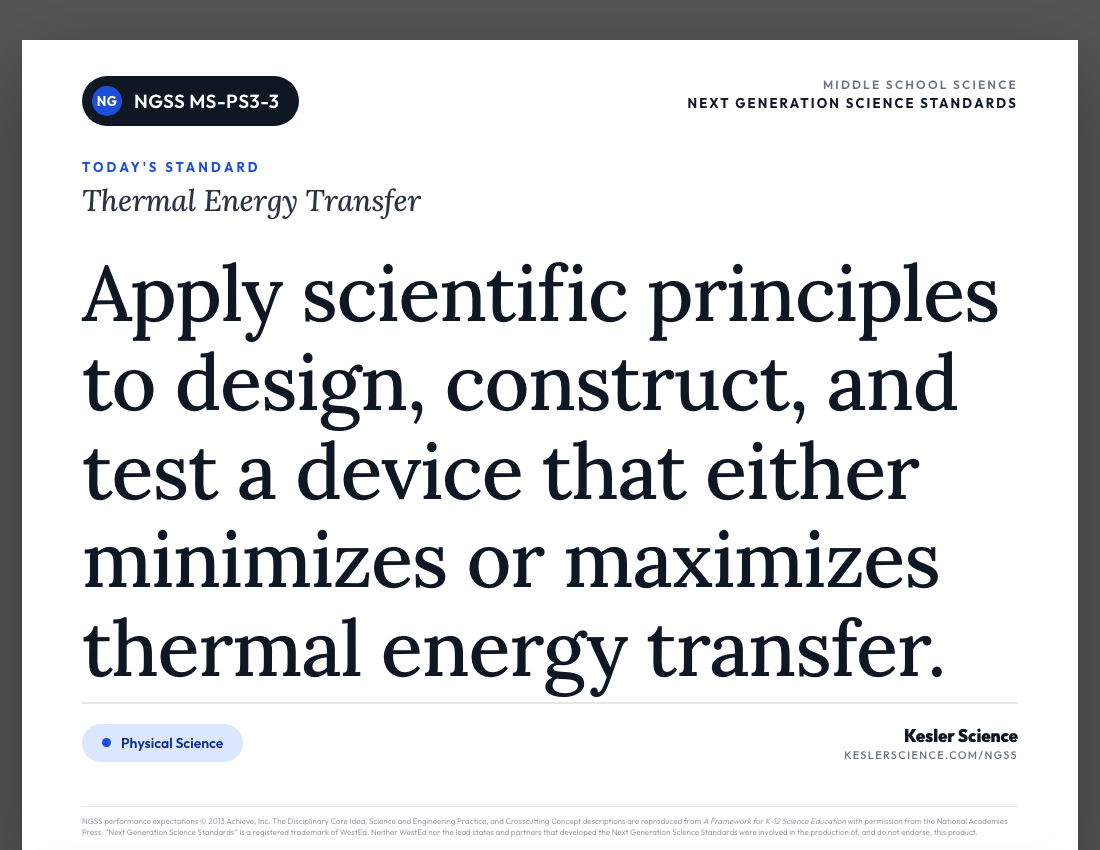
Print-ready classroom poster pack for 3-5-ETS1-1. Includes the verbatim NGSS performance expectation plus student-language "I Can" statements broken into daily learning goals. Landscape orientation, letter size, ready to print and post on your wall.
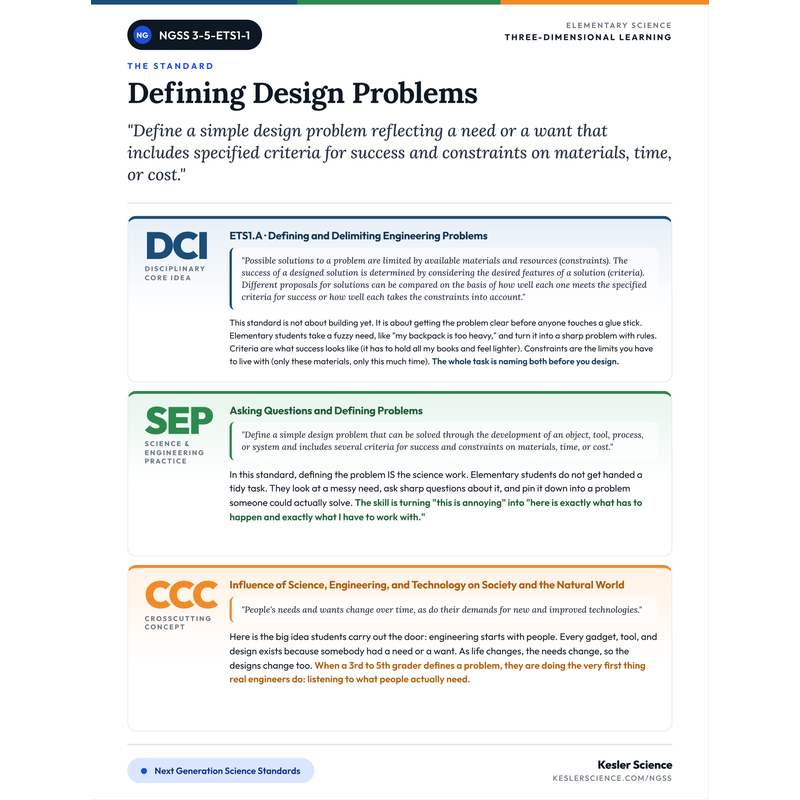
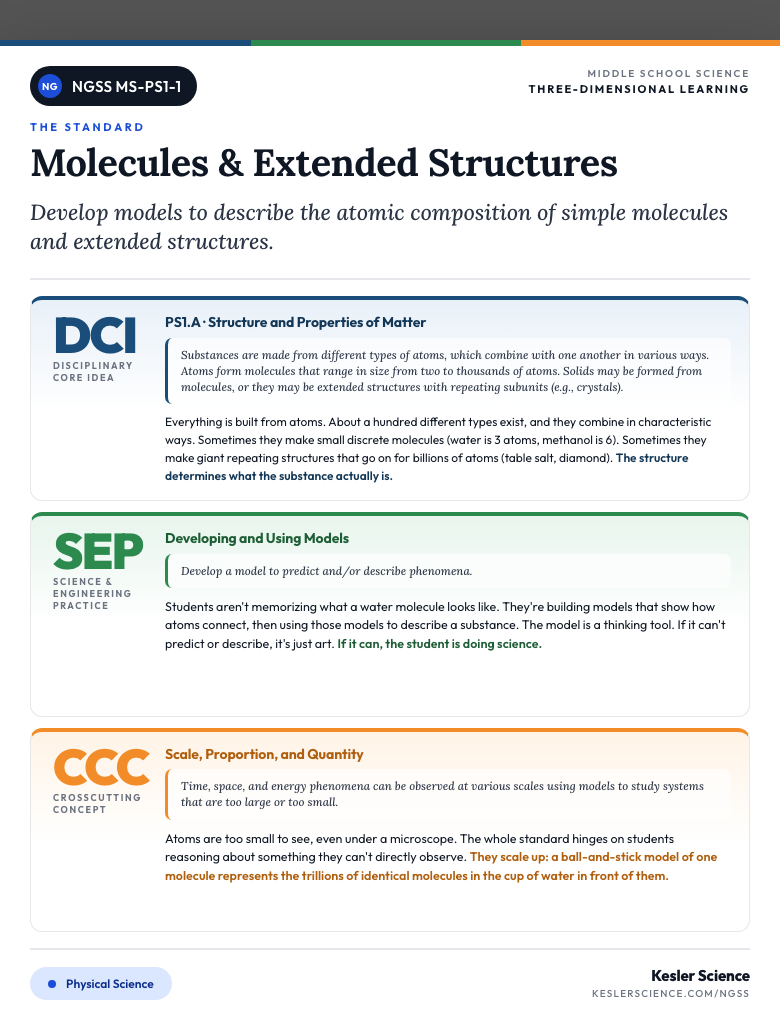
Teacher-facing PDF that breaks down the DCI, SEP, and CCC for 3-5-ETS1-1 in plain English. Color-coded by dimension so you can read the whole standard at a glance. Perfect for lesson planning or a sub folder.
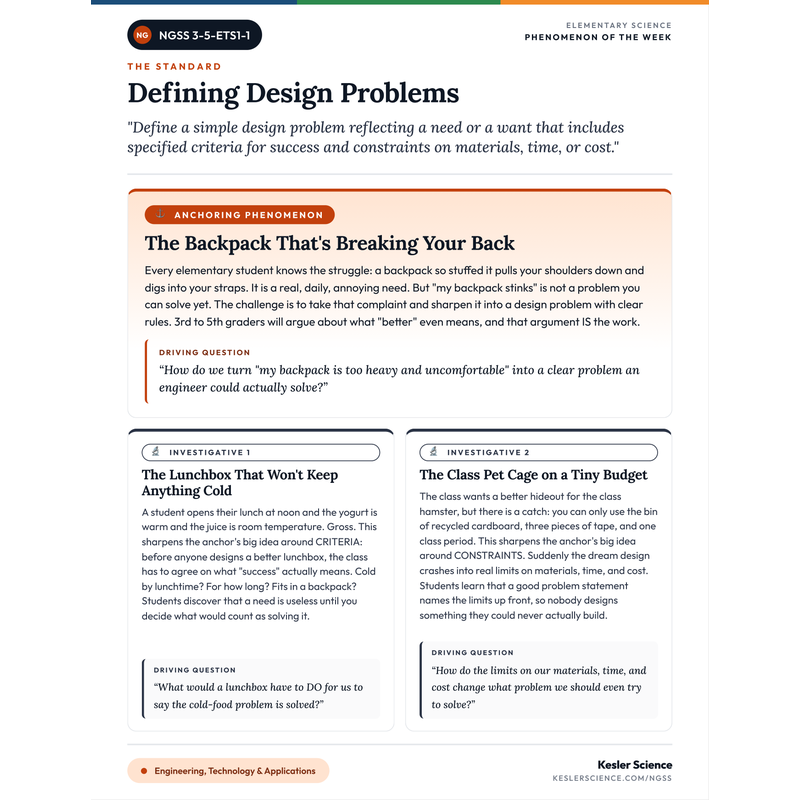
One-page printable with the anchoring phenomenon plus two investigative phenomena for 3-5-ETS1-1. Each one comes with the driving question students will keep asking. Pin it above your desk for the week — one piece of paper, one week of hooks.
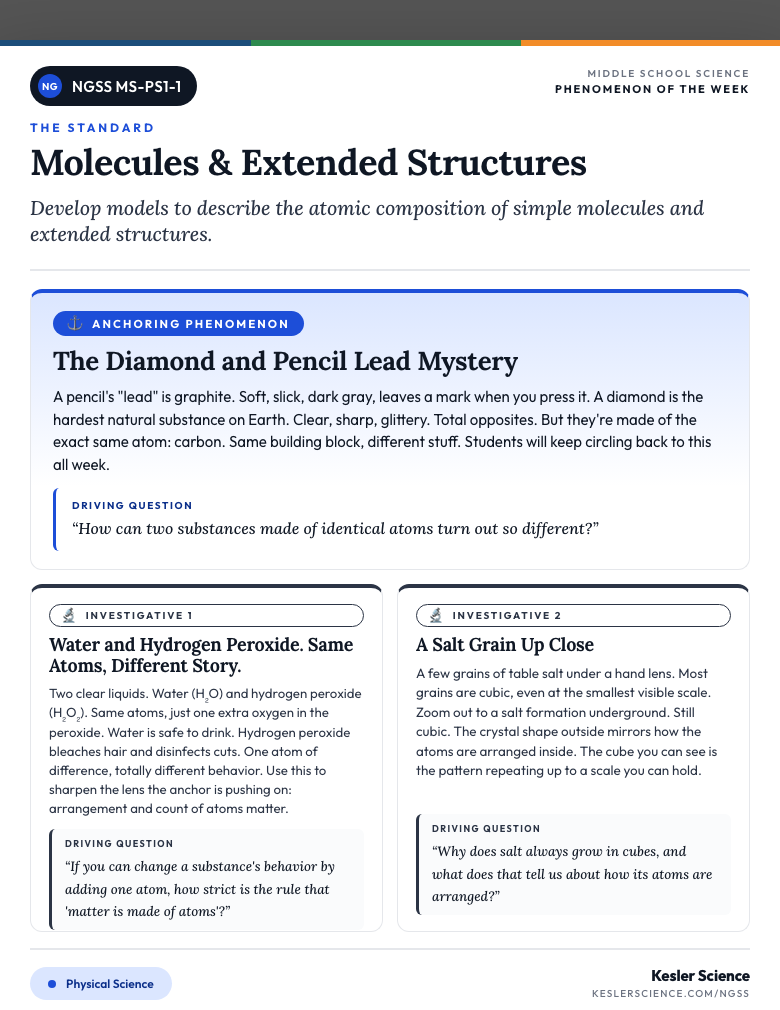
Teaching more than this one standard?
Get every I Can poster, phenomenon hook, and 3-dimension sheet for all 17 4th Grade standards, in one download. The whole year, ready to print.
📚 Vocabulary Students Need for 3-5-ETS1-1
The terms students need to access this standard. Definitions in plain-English, classroom-ready language.
💡 Free Engagement Ideas for 3-5-ETS1-1
Need or Want Sort
Give groups a stack of cards showing everyday situations (a wobbly desk, a cooler water bottle, a way to carry library books). Students sort each into "need" or "want," then pick one and write a one-sentence design problem for it. A fast warm-up that gets them naming what people actually need before they design anything.
Build the Rules, Not the Thing
Pose the backpack anchor and tell students they may NOT design a solution yet. Their only job is to fill a two-column chart: Criteria (what success looks like) and Constraints (the limits). Groups compare charts and argue over what belongs where. This makes defining the problem the whole activity, exactly what the standard asks.
Junk Box Constraint Challenge
Hand each group a sealed bag of random recycled materials and one rule card (like '15 minutes only' or 'no tape'). Nobody builds anything. Their deliverable is a written problem statement that names a need, lists criteria for success, and FITS the exact materials and the limit on their card. Groups then swap statements and check that the problem could really be solved inside those limits. They feel how constraints shape the problem, the heart of this standard.
Problem Statement Swap
Each student writes a design problem with at least one criterion and one constraint, then trades with a partner. The partner reads it and circles anything unclear or missing. Students revise based on the feedback. This makes the 'could someone else understand it?' test real, and shows them that a strong problem statement stands on its own.
📝 Assessment Ideas for 3-5-ETS1-1
Three short tasks that hit all three dimensions. Doable in one class period each.
Give students the anchor need: a backpack that is too heavy and uncomfortable. They write a design problem statement that names the need, lists at least one criterion for success, and lists at least one constraint on materials, time, or cost. Mirrors the standard directly: define a simple design problem with criteria and constraints.
Show a list of statements about a lunchbox design (must keep food cold, can only use one class period, has to fit in a backpack, no spending money). Students label each as a criterion or a constraint and write one sentence explaining their choice. Checks whether they truly tell the two apart, not just memorize the words.
Present three short scenarios (a class pet, a younger sibling, a teacher) and have students pick one, name the person's need or want, and turn it into a defined problem with criteria and constraints. Connects the design problem back to a real person, hitting the crosscutting idea that engineering starts with people's needs and wants.
🎯 What Proficient Student Work Looks Like
Same prompt, three student responses at different proficiency levels. Use as anchor papers when scoring.
"Write a design problem for a backpack that is too heavy and uncomfortable. Include the need or want, at least one thing your solution must do (criteria), and at least one limit you must work inside (constraints)."
- A specific claim backed by data or observation
- Use of standard-specific vocabulary in context
- Connection between what students observe and the underlying science idea
- A question they're still wondering about (curiosity stays alive)
"My backpack is too heavy. I want to make a better backpack that doesn't hurt. It should be really cool and awesome."
Names the need (heavy backpack) but stops at a wish. 'Cool and awesome' is not a criterion you could test, and there are no constraints at all. Another student couldn't tell what success looks like or what limits to work inside. The problem isn't defined yet.
"People need a way to carry their books without hurting their shoulders. My solution has to hold all my books and feel lighter on my back. I can only use the materials in the classroom bin and I have one class period to plan it."
Names the need, gives two clear criteria (hold all the books, feel lighter), and lists real constraints (only the bin materials, only one class period). Another student could read this and know exactly what to aim for and what rules to follow. This is exactly what the standard asks a 3rd to 5th grader to do.
"Kids at our school need to carry heavy books, and their shoulders hurt by the end of the day, so they want a backpack that spreads the weight out. To be a success it has to hold at least five books, feel more balanced, and still fit in a locker. The limits are that I can only use cardboard, straps, and tape from the bin, and I have to finish planning in one class period without buying anything. The reason this problem matters is that the need changes as kids carry more books each year."
Defines the need AND names who has it and why. Lists clear, testable criteria and three real constraints across materials, time, and cost. Then ties the problem back to a changing human need, reaching the crosscutting concept without being asked. A fully defined, solvable problem.
“Next Generation Science Standards” is a registered trademark of WestEd. Neither WestEd nor the lead states and partners that developed the Next Generation Science Standards were involved in the production of, and do not endorse, this product.
NGSS performance expectations © 2013 Achieve, Inc. The Disciplinary Core Idea, Science and Engineering Practice, and Crosscutting Concept descriptions are reproduced from A Framework for K-12 Science Education with permission from the National Academies Press.
Trusted Across NGSS States
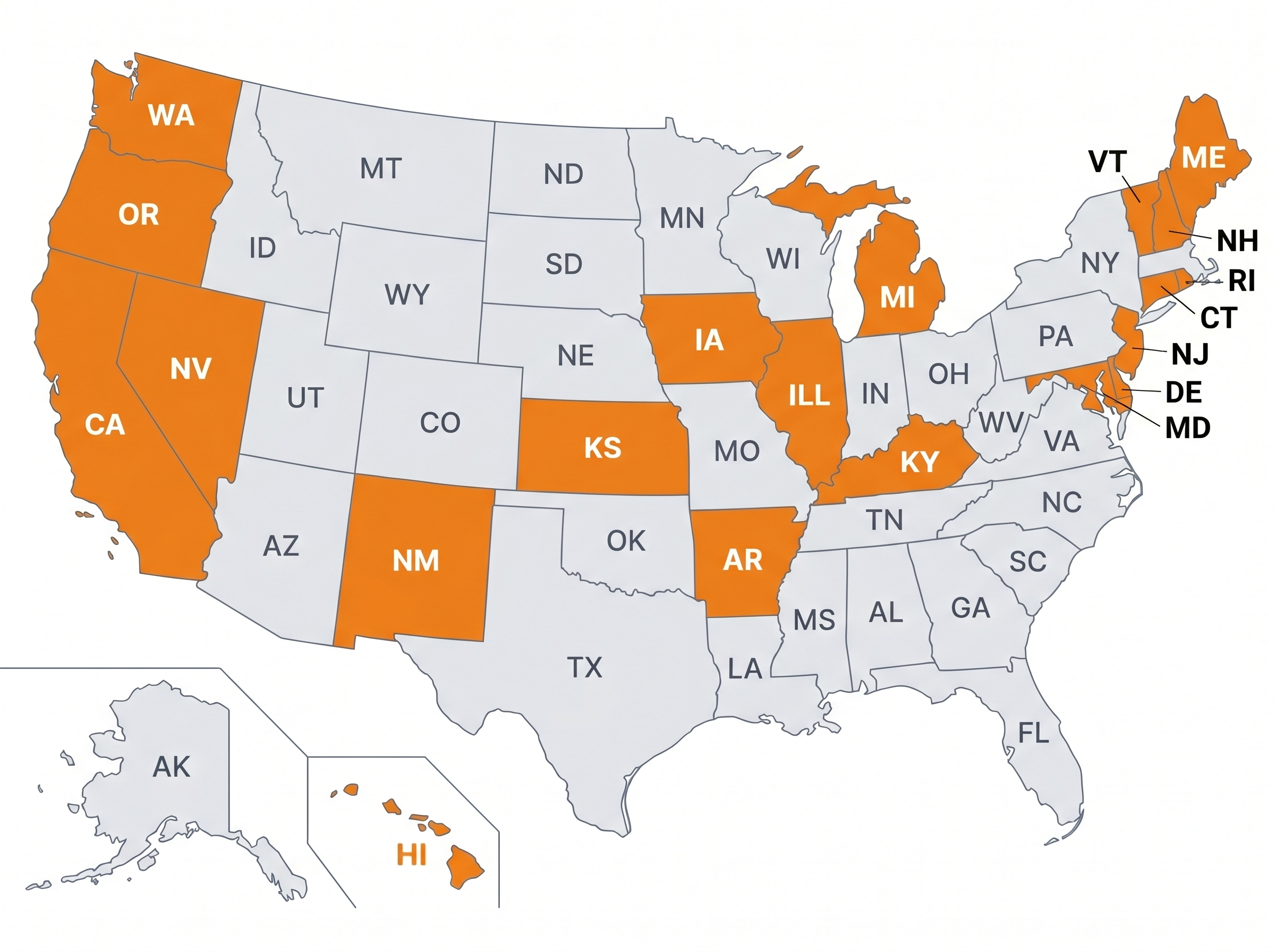
From California to Connecticut, science teachers in the 20 states that adopted NGSS are using Kesler Science to save time and engage students.
Teachers in NGSS States
Love Kesler Science
What Teachers Are Saying
"I'm able to access rigorous NGSS-aligned lessons and labs that are ready to use, so I spend more time helping students directly and less time searching for quality material."
"There's a lesson for each of the NGSS, so I don't have to search for hours to find a good quality lesson. I can spend more time actually teaching."
"The resources help me cover NGSS in a meaningful way, and my students gain a deeper knowledge of the concepts, with learning that's more self-driven."
Give Your Science Teachers Everything They Need
School and district licenses give your teachers access to every resource they need, including station labs, inquiry labs, anchoring phenomena, presentations, escape rooms, and much more. One purchase covers the grade levels you need.
- PO-friendly. We accept purchase orders
- Volume discounts for 11+ teachers
- Complimentary membership orientation for 4+ teachers
- Three free implementation PD sessions for departments of 11+
- Aligned to the NGSS standards
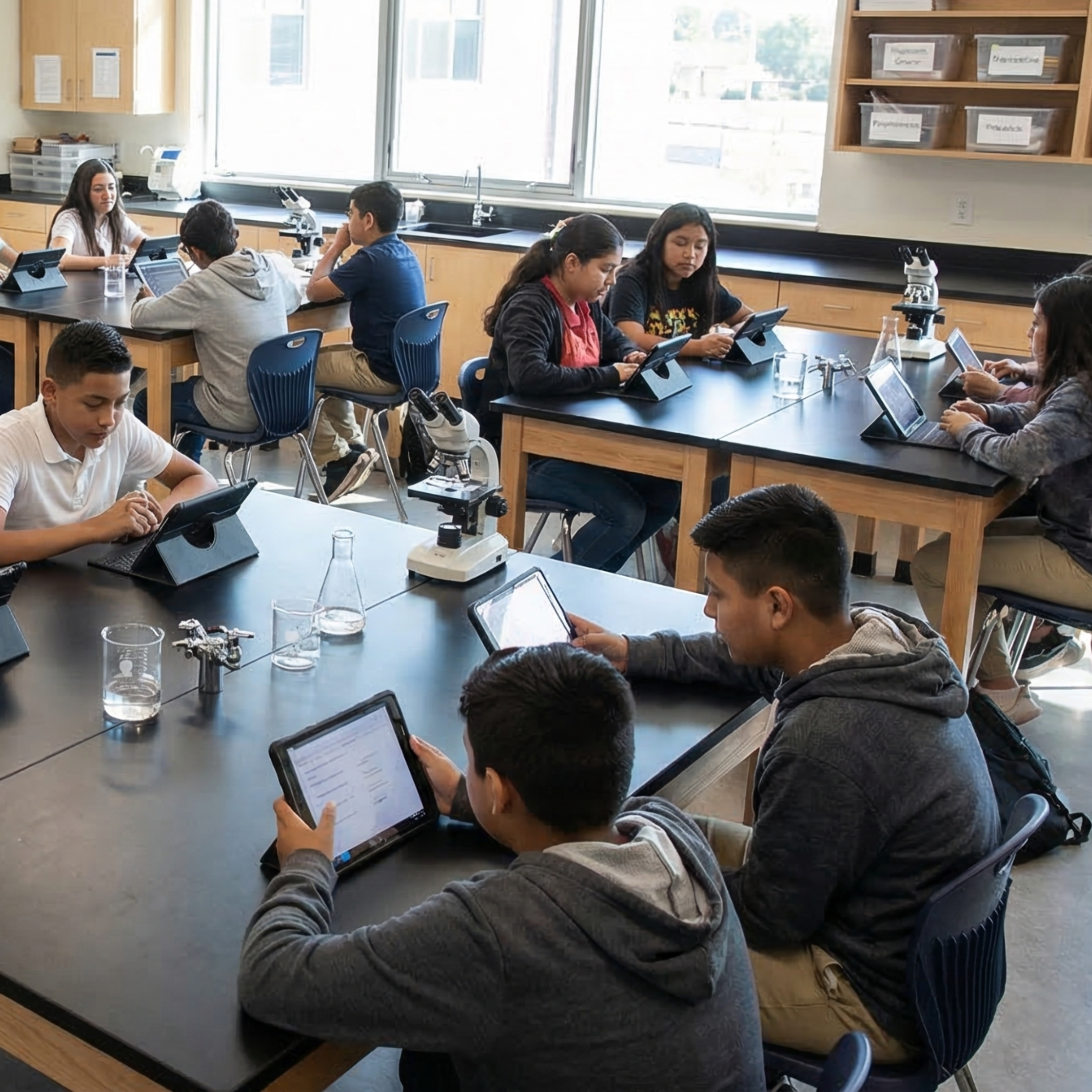
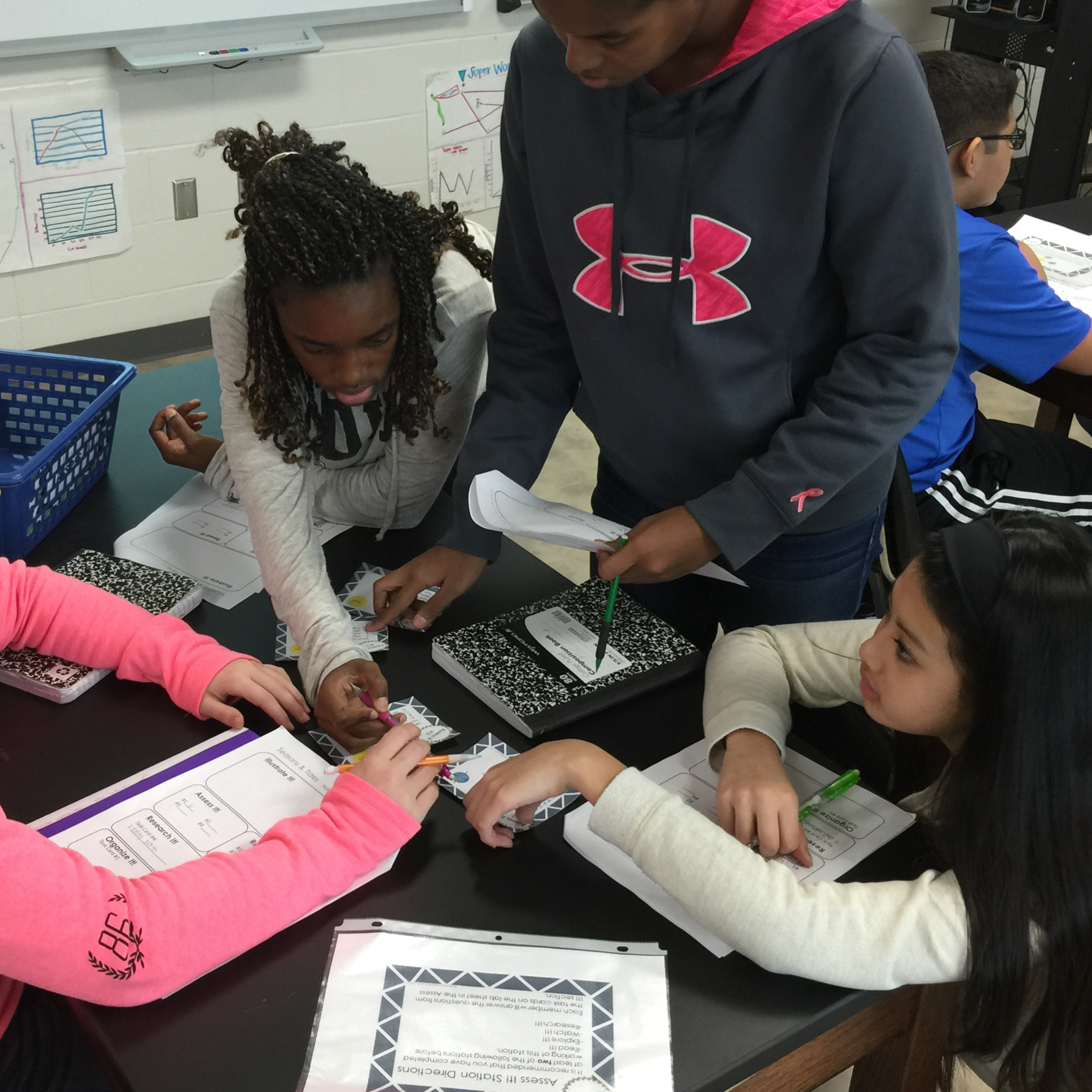
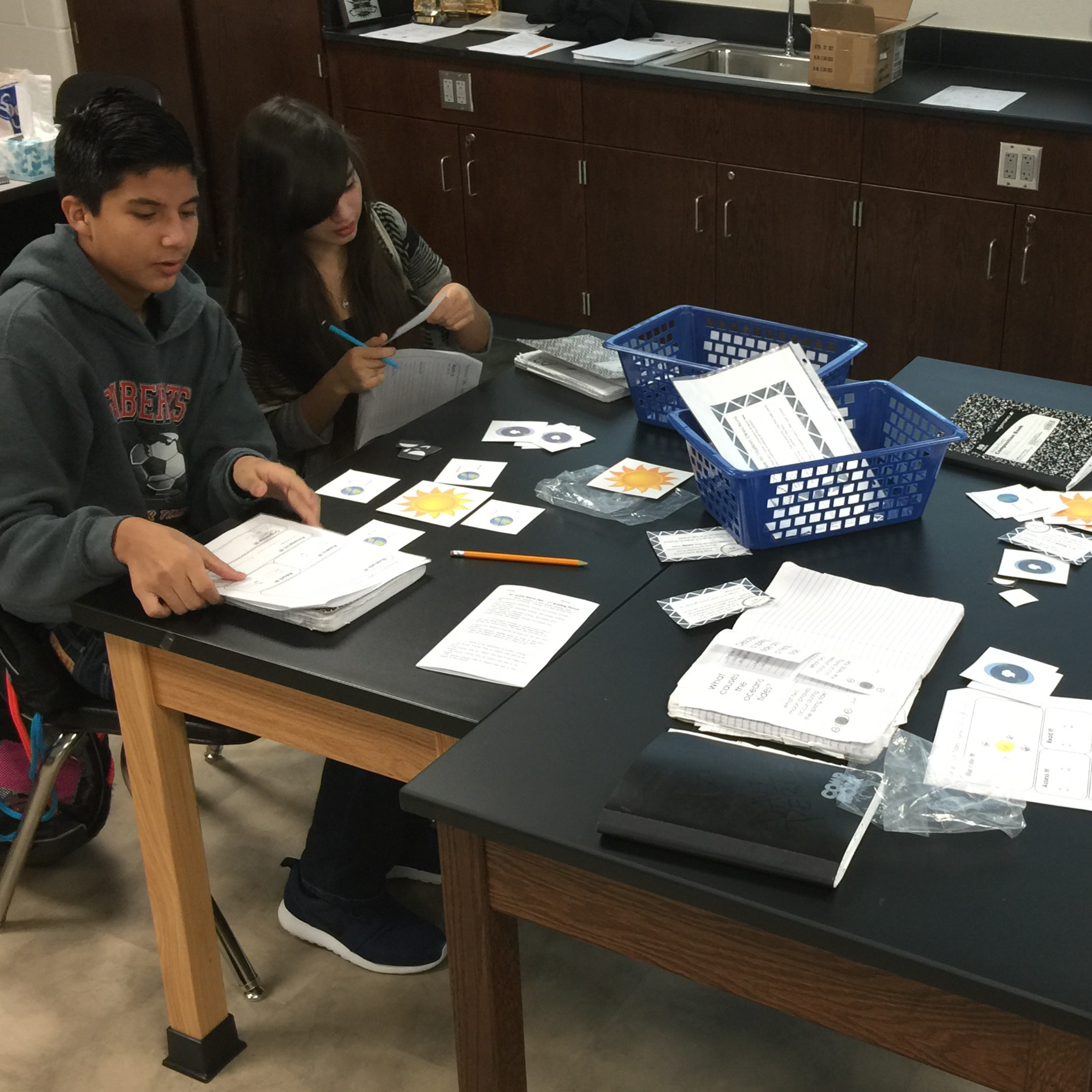
See It in Action
Book a walkthrough and we'll show you how Kesler Science fits your campus.
Book Demo CallNo pressure, no hard sell
"My assistant principal stopped in my room and immediately noticed how the students were engrossed in their centers and how they moved seamlessly from center to center. Also the built-in modifications really impressed!"
"It provides differentiated instruction for all types of learners, allowing them to become more engaged."
"I love it all!! I have become a facilitator in my class and I love the excitement it brings to my class. The kids love all that we do with the Kesler products."