.png?width=375&height=100&name=WebPage%20logo%20with%20curves%202026%20(8).png)
NGSS Resource Hub
Three-dimensional breakdowns, phenomena, and classroom-ready activities for every NGSS standard, grades 4-8.

🚀 Jump to Your Discipline
5th Grade NGSS Standards
Pick any standard. Each page is your full lesson-planning workspace for that standard.
The Sun's Energy: The Energy in Your Lunch Started in the Sun
"Use models to describe that energy in animals' food (used for body repair, growth, and motion and to maintain body warmth) was once energy from the sun."
NGSS Lead States. (2013). Next Generation Science Standards: For states, by states (5-PS3-1). The National Academies Press. https://www.nextgenscience.org/dci-arrangement/5-ps3-energy
Models students use could take forms such as diagrams and flow charts.
Summarized in our own words from the 5-PS3-1 clarification statement (NGSS Lead States, 2013). Not a verbatim quote.
The three dimensions packed into this standard
Every standard bundles a DCI (the content), a SEP (the science practice), and a CCC (the crosscutting lens). They run in the same task, not in sequence.
"The energy released [from] food was once energy from the sun that was captured by plants in the chemical process that forms plant matter (from air and water)."
National Research Council. (2012). A framework for K-12 science education: Practices, crosscutting concepts, and core ideas. The National Academies Press. https://doi.org/10.17226/13165
"Food provides animals with the materials they need for body repair and growth and the energy they need to maintain body warmth and for motion."
National Research Council. (2012). A framework for K-12 science education. The National Academies Press.
This standard is really one connection traced backward. A 5th grader follows the energy in a meal all the way to its source. The energy your body uses to run, grow, heal a scrape, and stay warm came from the food you ate. That food came from a plant, or from an animal that ate plants. And the plant captured that energy from sunlight.
A kid building a flow chart from 'sun' to 'plant' to 'animal' to 'me' is doing all three dimensions in one task. They show the core idea (food energy traces back to the sun), use the practice (building a model to describe it), and apply the crosscutting lens (energy transferring from one thing to the next).
"Use models to describe phenomena."
National Research Council. (2012). A framework for K-12 science education. The National Academies Press.
5th graders aren't writing an essay here. They're building a model, a flow chart or labeled diagram, that shows the path energy takes. The model has to actually describe what's happening: sun feeds plant, plant feeds animal, food fuels the body. A good model isn't decoration. Someone should be able to read it and follow the energy.
"Energy can be transferred in various ways and between objects."
National Research Council. (2012). A framework for K-12 science education. The National Academies Press.
The energy never gets made and never disappears. It just keeps getting handed off. Sunlight is captured by a plant. A rabbit eats the plant and takes the energy. A hawk eats the rabbit. At every step, the same energy transfers to the next living thing. Your lunch is just the last handoff in a long chain.
📍 Where This Standard Fits in the K-12 Progression
Use this to plan the year. Knowing what students should already know and what they're heading toward keeps the lesson focused.
In earlier grades, students learned that animals need food to live and grow, and that plants need sunlight and water to grow. They built food chains showing who eats whom. What they have not done yet is connect that food energy all the way back to the sun as its original source.
The Sun's Energy: The Energy in Your Lunch Started in the Sun
In middle school, students dig into the actual process. They learn that photosynthesis is the chemical reaction where plants use sunlight, water, and carbon dioxide to make food and store energy, and they track how matter and energy flow through whole ecosystems.
🌎 Phenomena for 5-PS3-1
Anchor the lesson in one puzzling phenomenon kids keep coming back to. Use the two investigative phenomena to sharpen specific facets.
The Hamburger That Started in a Field of Grass
Hold up a hamburger and ask a 5th grader where the energy in it came from. Most will say 'the cow.' Push back. Where did the cow get its energy? From eating grass. Where did the grass get its energy? Now they're stuck. Keep tracing it back and the trail leads somewhere surprising: the sun. A burger, a bun, the whole meal, all of it can be traced back to sunlight that fell on a field months ago. 5th graders will want to figure out how the sun ended up on their plate.
"How can the energy in a hamburger have started out as sunlight?"
- "The cow never touched the sun, so how did sun energy get into the meat?"
- "Does this work for every food, or just food that comes from animals?"
- "If the energy came from the sun, why don't we just eat sunlight?"
Sun, Then Sprout
Grow two sets of bean seeds, one on a sunny windowsill and one shut in a dark cabinet. After a couple of weeks, the sunny sprouts are green and healthy and the dark ones are pale and yellow with no green color. Same seeds, same water, only the sunlight changed. Use this to sharpen the anchor: without sunlight a plant can't make its own food, so it stays yellow and eventually runs out of stored energy. The sun is the first link in the chain. No sun, no food energy to pass on.
"Why does the plant in the dark turn pale and yellow while the plant in the sunlight stays green?"
- "The dark plant had water and a seed, so why isn't it green like the other one?"
- "Is the plant using sunlight to make its own food?"
- "If the plant can't make food without sun, can the animal that eats it grow either?"
Follow the Energy Back
Give groups a stack of food cards, like an apple, a chicken nugget, a glass of milk, a fish stick, and have them lay out the chain behind each one, working backward until every chain lands on the sun. The apple traces to an apple tree to the sun. The chicken nugget traces to a chicken to the corn it ate to the sun. Every single card ends in the same place. This is the anchor turned into a hands-on sorting task.
"No matter what food we pick, why does the trail always end at the sun?"
- "Do longer chains, like fish to smaller fish, still end at the sun?"
- "Is the sun the start of every food chain on Earth?"
- "What would happen to all these chains if the sun stopped shining?"
100% Aligned Lessons for Every NGSS Standard You Teach
The membership gives you access to thousands of lessons and activities designed to boost student engagement and reclaim valuable teaching time. Trusted by schools and districts from every NGSS state.
⚠️ Misconceptions Your Students Will Walk In With
These come up almost every year. Knowing them in advance lets you head them off in the first lesson.
"Plants get their energy by eating food from the soil, like we eat food."
Plants don't eat. They capture energy straight from sunlight and use it, along with air and water, to build their own food and grow. The soil gives plants some materials, but the energy comes from the sun. That's why a plant in the dark stays yellow and can't make food, even with plenty of water.
"Meat has nothing to do with the sun because animals don't use sunlight."
True, the cow never used the sun directly. But the cow ate grass, and the grass captured sun energy. So that sun energy passed into the cow, and then into the meat. The energy got handed off down the chain. Trace any animal food back far enough and you reach a plant that started with sunlight.
"Food just naturally has energy in it, the same way it always has been."
The energy in food didn't appear out of nowhere. It was captured by a plant from the sun and then passed along when animals ate. Every bit of energy in your lunch can be traced backward to sunlight. Food is really a way of storing the sun's energy so we can use it later.
"Your body only uses food energy when you run or play."
Your body uses that energy all the time, even while you sleep. It powers your motion, but it also repairs cuts, helps you grow taller, and keeps your body warm. The standard names all of these. The energy from the sun, stored in your food, is doing quiet work in your body every minute.
🙋 Common Student Questions and How to Respond
These come up almost every time this standard gets taught. Plan a response and you'll keep the lesson focused.
Don't jump to photosynthesis vocabulary. Ask, 'What did the plant in the dark cabinet not get?' Steer them to sunlight. For 5th grade, it's enough to say the plant captures energy from sunlight to make its food and grow. The chemical recipe is a middle school job. Right now we just need THAT it happens.
Push them to think about the sprout experiment. Ask, 'Could you grow in a dark room with just water? Could a person?' We can't capture sunlight the way plants can. We have to eat plants, or eat animals that ate plants, to get that stored sun energy. Plants are the only ones with that trick.
Great catch, and a fun one to wrestle with. Ask them to trace the fish's chain. Most deep fish eat smaller fish, which eat tiny plant-like creatures near the surface where sunlight reaches. So the chain still climbs back up to the sun. For this standard, every food chain we study starts with the sun.
This one stretches past the standard, so keep it light. Ask, 'When you run, do you get warm?' Some of that energy keeps you warm and powers your motion. We don't track every place it goes in 5th grade. The model we're building ends at the body using the energy. Bookmark the rest for later grades.
📓 Teaching Resources for 5-PS3-1
These resources are aligned to this standard.
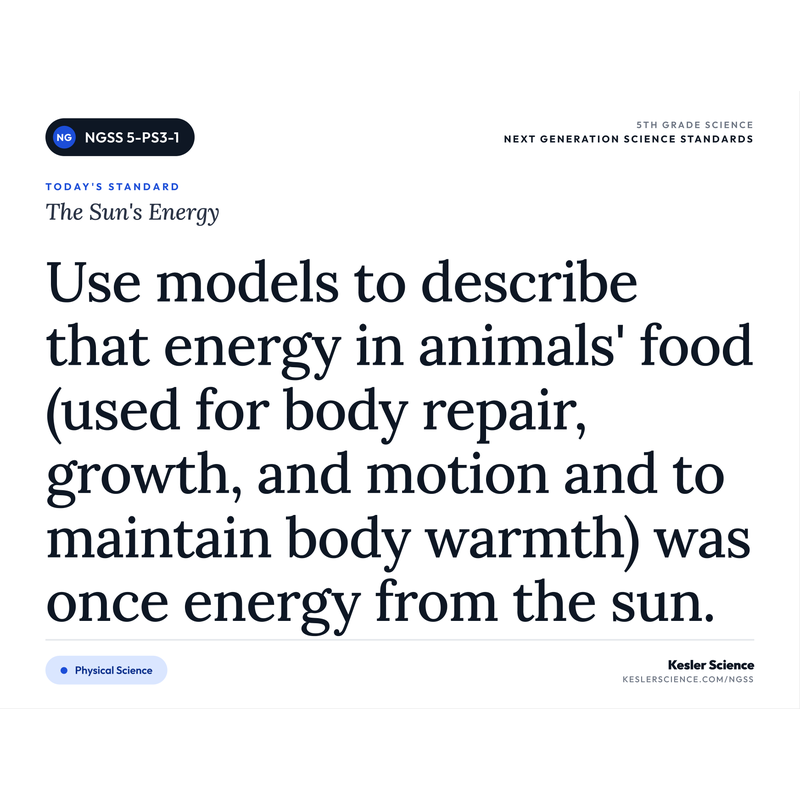
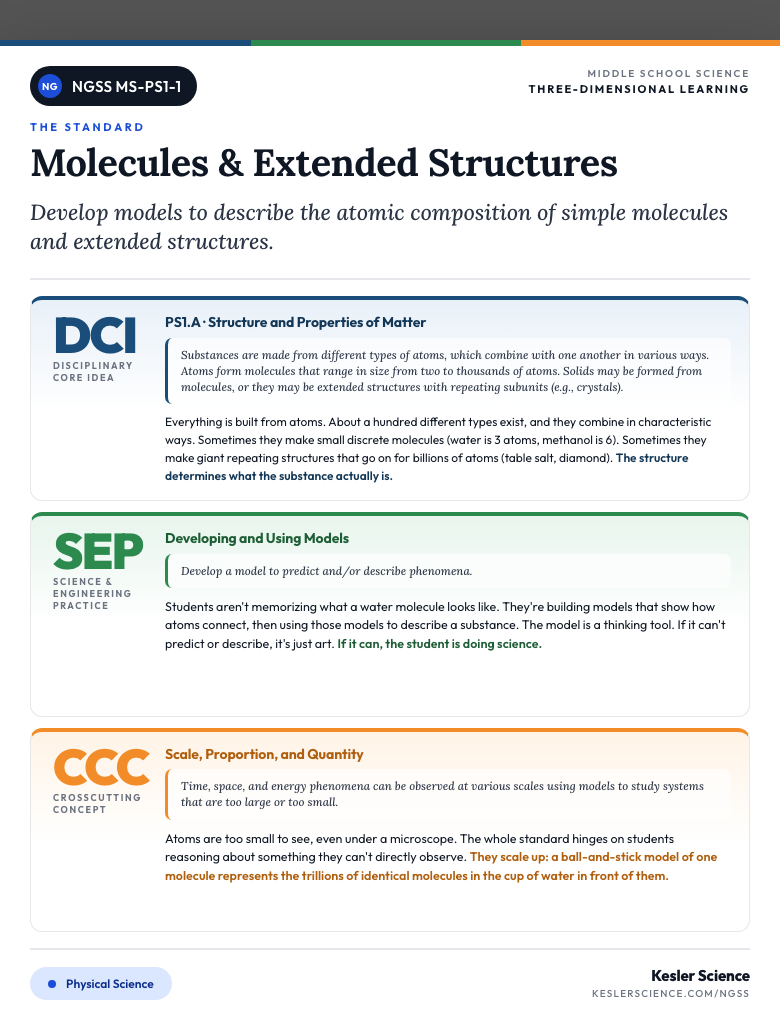
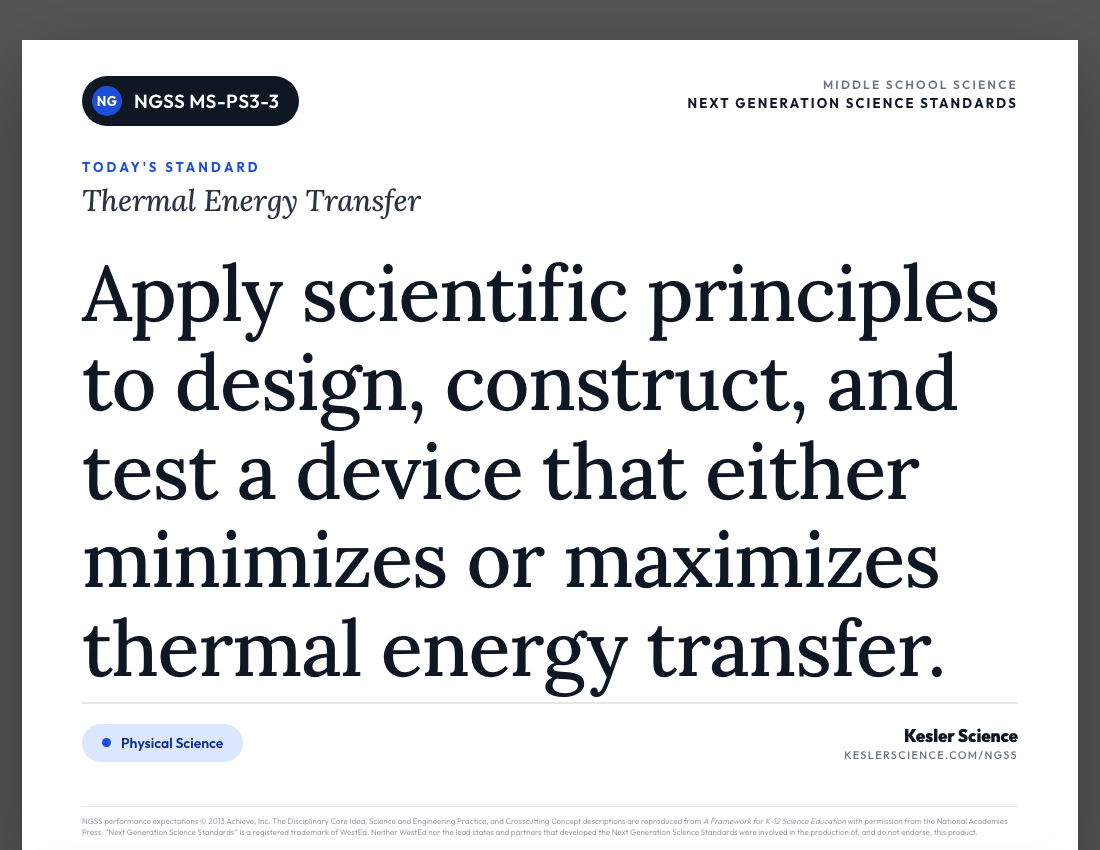
Print-ready classroom poster pack for 5-PS3-1. Includes the verbatim NGSS performance expectation plus student-language "I Can" statements broken into daily learning goals. Landscape orientation, letter size, ready to print and post on your wall.
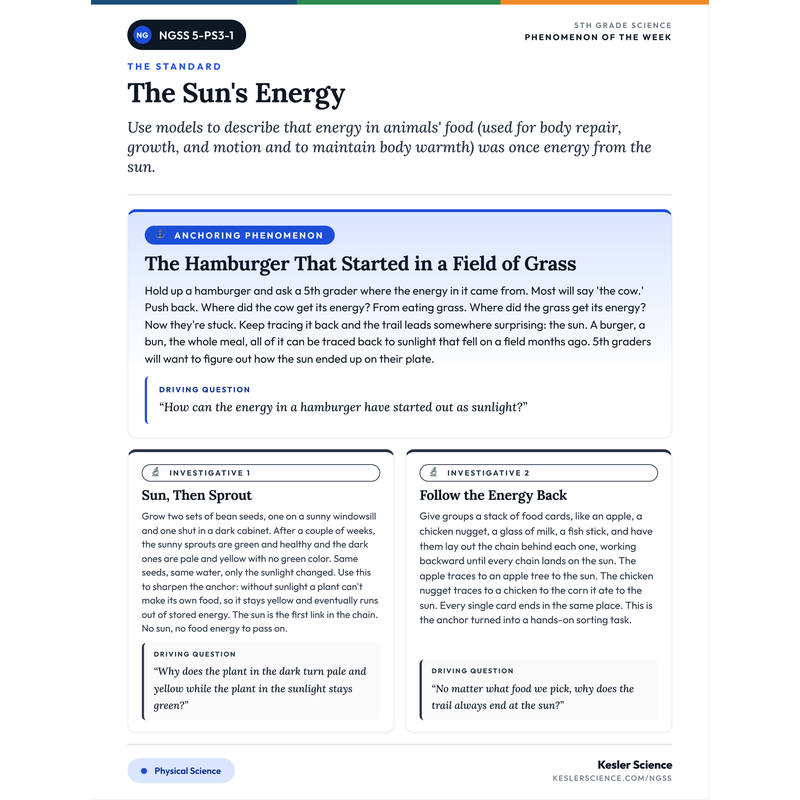
One-page printable with the anchoring phenomenon plus two investigative phenomena for 5-PS3-1. Each one comes with the driving question students will keep asking. Pin it above your desk for the week — one piece of paper, one week of hooks.
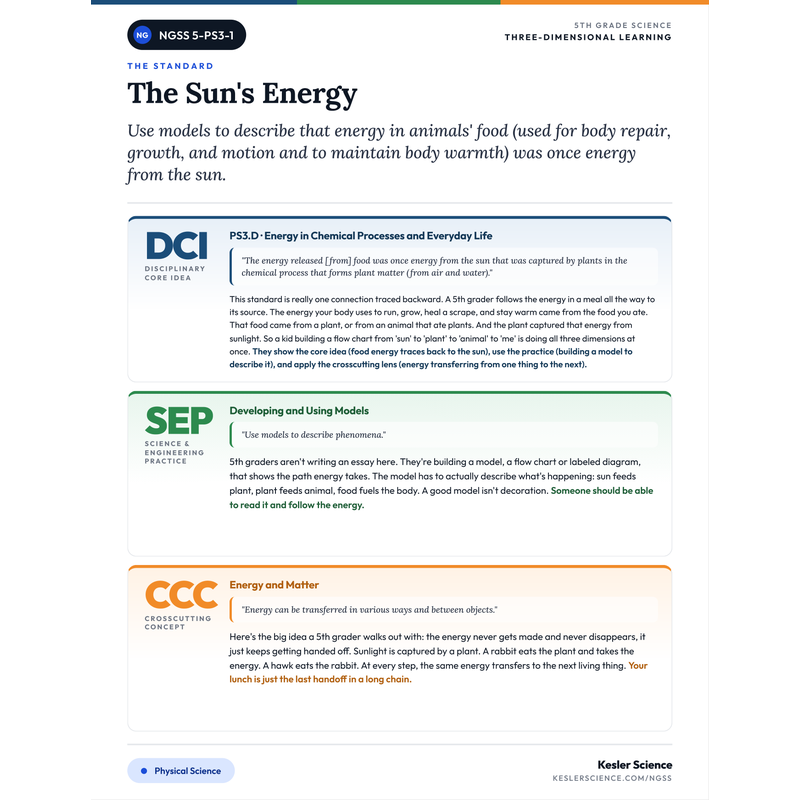
Teacher-facing PDF that breaks down the DCI, SEP, and CCC for 5-PS3-1 in plain English. Color-coded by dimension so you can read the whole standard at a glance. Perfect for lesson planning or a sub folder.

The full unit for 5-PS3-1: differentiated station labs, editable presentations, interactive notebooks (English + Spanish), student-choice projects, and assessments. Built on the 5E model.

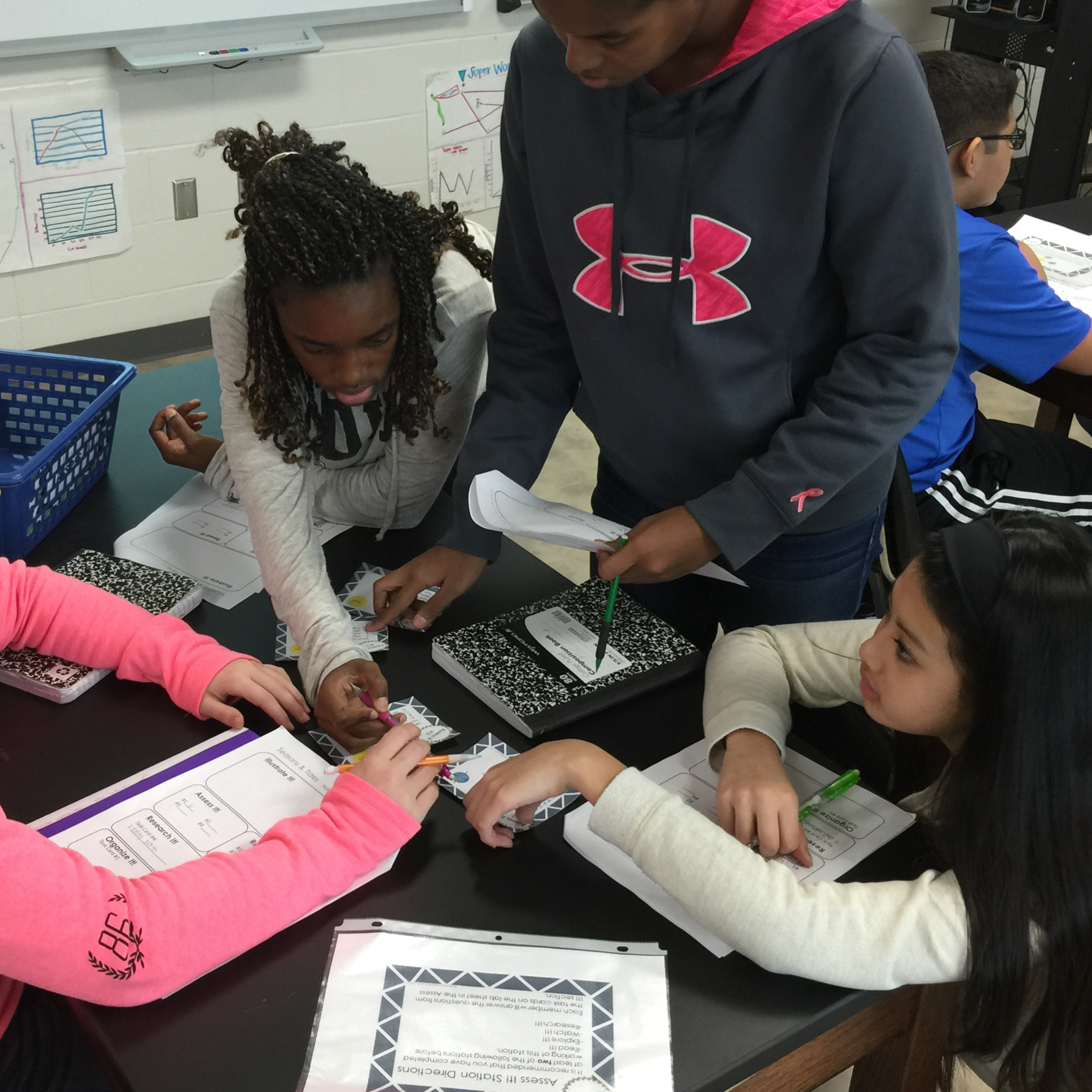
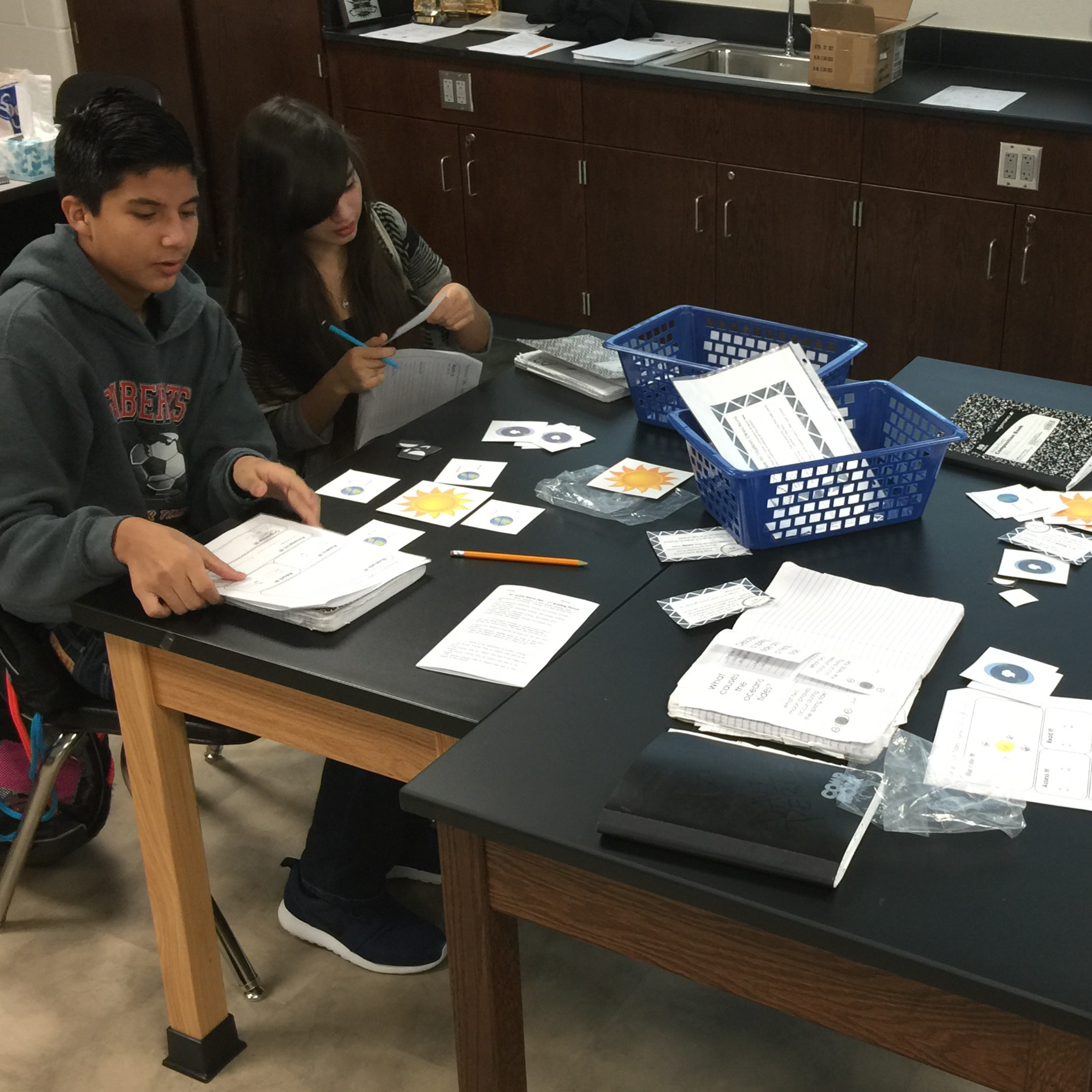
9-station hands-on lab covering how the energy in food can be traced back to the sun, with input stations (Explore It!, Watch It!, Read It!, Research It!) and output stations (Organize It!, Illustrate It!, Write It!, Assess It!). Print and digital. English and Spanish.

A print-and-digital science writing activity where students reason and write about the Sun's energy through an engaging real-world prompt. Includes teacher directions with an answer guide and project ideas. Great for constructed response, bell-ringers, or science journals.
Teaching more than this one standard?
Get every I Can poster, phenomenon hook, and 3-dimension sheet for all 16 5th Grade standards, in one download. The whole year, ready to print.
📚 Vocabulary Students Need for 5-PS3-1
The terms students need to access this standard. Definitions in plain-English, classroom-ready language.
💡 Free Engagement Ideas for 5-PS3-1
Trace-It-Back Food Card Sort
Groups get a stack of food cards (apple, hamburger, milk, fish stick, bread) and arrange the food chain behind each one with arrow cards, working backward until every chain lands on a sun card. Then each group writes one sentence: 'The energy in this food started as ___.' This is the anchor turned into a hands-on lab and gives 5th graders practice building models before they draw their own.
Sun vs. No-Sun Sprout Lab
Plant bean seeds in two cups, put one on a sunny sill and seal one in a dark cabinet, both watered the same. Over two to three weeks, 5th graders measure each plant with a ruler, record the height in a data table, and note the color. The sunny plant stays green and healthy. The dark one turns pale and yellow with no green color, and over time it runs out of stored energy. They use the green color as their key evidence that sunlight is what lets a plant make its own food.
Build-Your-Lunch Flow Chart
Each 5th grader picks something they actually ate for lunch and builds a flow chart from the sun all the way to their body, labeling every arrow with what passed the energy along. A pizza becomes sun to wheat to flour to crust to me, plus sun to grass to cow to cheese to me. Turns the standard into a personal model.
Energy Chain Human Line-Up
Assign 5th graders roles (sun, grass, rabbit, hawk) and have them line up and pass a yarn ball to physically 'transfer' the energy down the chain. The sun holds the yarn first and never lets go of the start, showing the energy always traces back. Great kinesthetic way to feel energy moving between living things.
📝 Assessment Ideas for 5-PS3-1
Three short tasks that hit all three dimensions. Doable in one class period each.
5th graders draw a flow chart that traces the energy in a hamburger from the sun all the way to a person eating it, with a labeled arrow at each step. They must include the sun as the source and write one sentence naming what the body uses that energy for (motion, growth, repair, or warmth). Mirrors the practice: use a model to describe the phenomenon.
Give 5th graders a flow chart with the arrows pointing the wrong way or the sun left off the end. They correct it and explain in writing why the energy has to start at the sun. No new chain to build, just reasoning about an existing model and spotting what's wrong.
Each 5th grader picks one plant food and one animal food and builds a short model for each, showing both trace back to the sun. They write one sentence explaining how energy got transferred from the sun into the animal food even though the animal never used sunlight. Checks whether they grasp the energy handoff down the chain.
🎯 What Proficient Student Work Looks Like
Same prompt, three student responses at different proficiency levels. Use as anchor papers when scoring.
"Use a model to describe how the energy in a hamburger was once energy from the sun. Use arrows and label each step."
- A specific claim backed by data or observation
- Use of standard-specific vocabulary in context
- Connection between what students observe and the underlying science idea
- A question they're still wondering about (curiosity stays alive)
"Sun → cow → hamburger → me. The sun makes the energy and the cow gets it and then I eat it."
Gets the right idea that the energy starts with the sun and ends with the person. But the chain skips the plant step, so it never explains how the cow got the energy. The arrows are there but the model is missing the most important link, the grass. No mention of what the body uses the energy for.
"Sun → grass → cow → hamburger → me. The grass got energy from the sun. Then the cow ate the grass and got the energy. Then we made the cow into a hamburger and I ate it, so I got the energy. My body uses the energy to run and grow."
Includes the plant step (grass), so the chain is complete. The arrows point the right way and each step is explained as energy being passed along. Names what the body uses it for. This is exactly what the standard asks a 5th grader to do.
"Sun → grass → cow → hamburger → me. The grass captured energy from the sun to grow, because plants can do that. The cow ate the grass and the energy transferred into the cow's body. When I ate the hamburger, that same energy transferred into me. So the energy in my lunch was really sun energy that got handed down the whole chain. My body uses it to move, grow, heal cuts, and stay warm. The cow never touched the sun, but the energy still came from the sun through the grass."
Traces every step and names energy transferring at each handoff, hitting the crosscutting concept without being told. Catches the tricky part: the cow never used the sun directly but still passed sun energy along. Lists all four uses the standard names. Strong, complete model and explanation.
“Next Generation Science Standards” is a registered trademark of WestEd. Neither WestEd nor the lead states and partners that developed the Next Generation Science Standards were involved in the production of, and do not endorse, this product.
NGSS performance expectations © 2013 Achieve, Inc. The Disciplinary Core Idea, Science and Engineering Practice, and Crosscutting Concept descriptions are reproduced from A Framework for K-12 Science Education with permission from the National Academies Press.
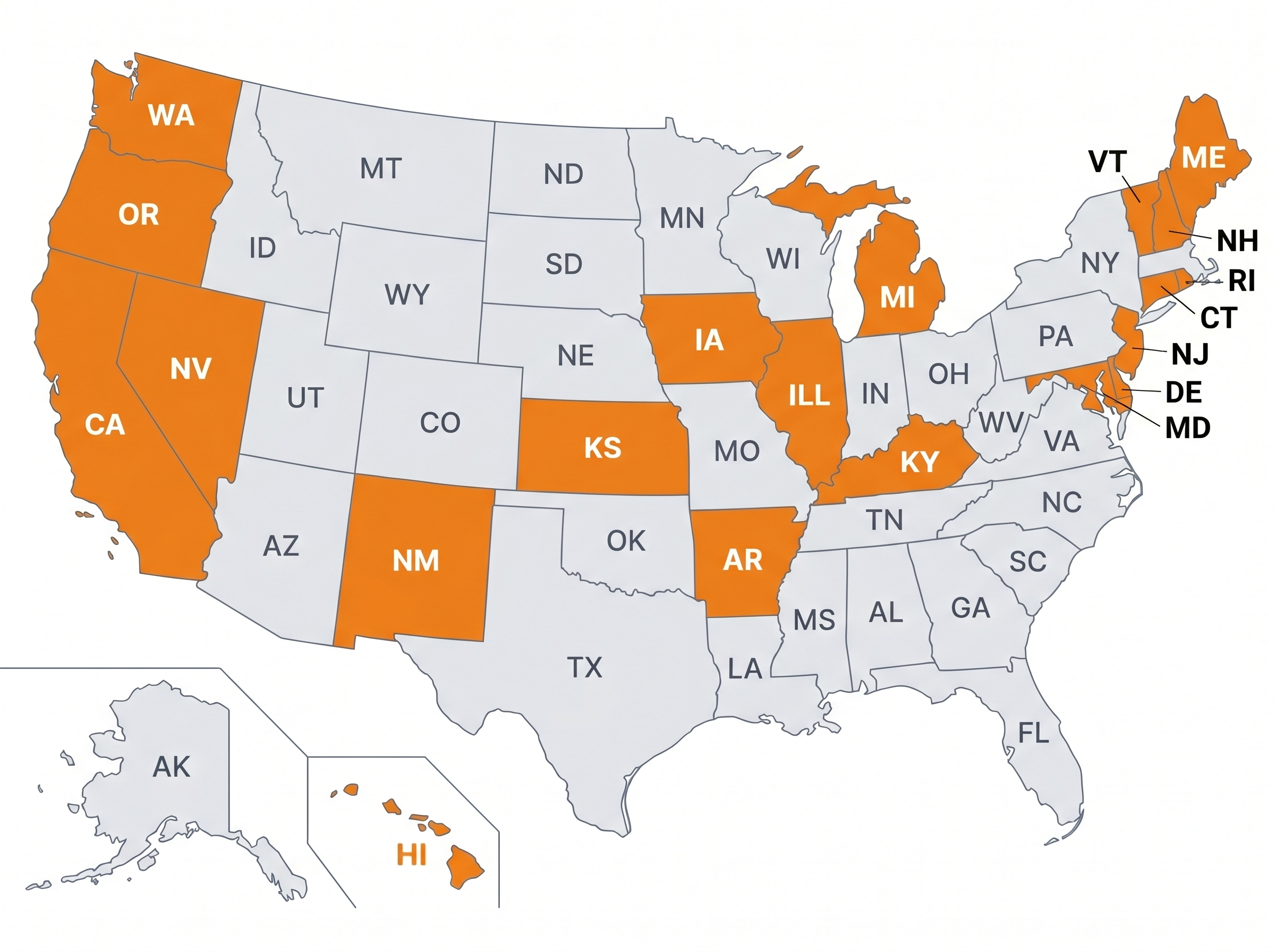
Trusted Across NGSS States
From California to Connecticut, science teachers in the 20 states that adopted NGSS are using Kesler Science to save time and engage students.
Teachers in NGSS States
Love Kesler Science
What Teachers Are Saying
"I'm able to access rigorous NGSS-aligned lessons and labs that are ready to use, so I spend more time helping students directly and less time searching for quality material."
"There's a lesson for each of the NGSS, so I don't have to search for hours to find a good quality lesson. I can spend more time actually teaching."
"The resources help me cover NGSS in a meaningful way, and my students gain a deeper knowledge of the concepts, with learning that's more self-driven."
Give Your Science Teachers Everything They Need
School and district licenses give your teachers access to every resource they need, including station labs, inquiry labs, anchoring phenomena, presentations, escape rooms, and much more. One purchase covers the grade levels you need.
- PO-friendly. We accept purchase orders
- Volume discounts for 11+ teachers
- Complimentary membership orientation for 4+ teachers
- Three free implementation PD sessions for departments of 11+
- Aligned to the NGSS standards
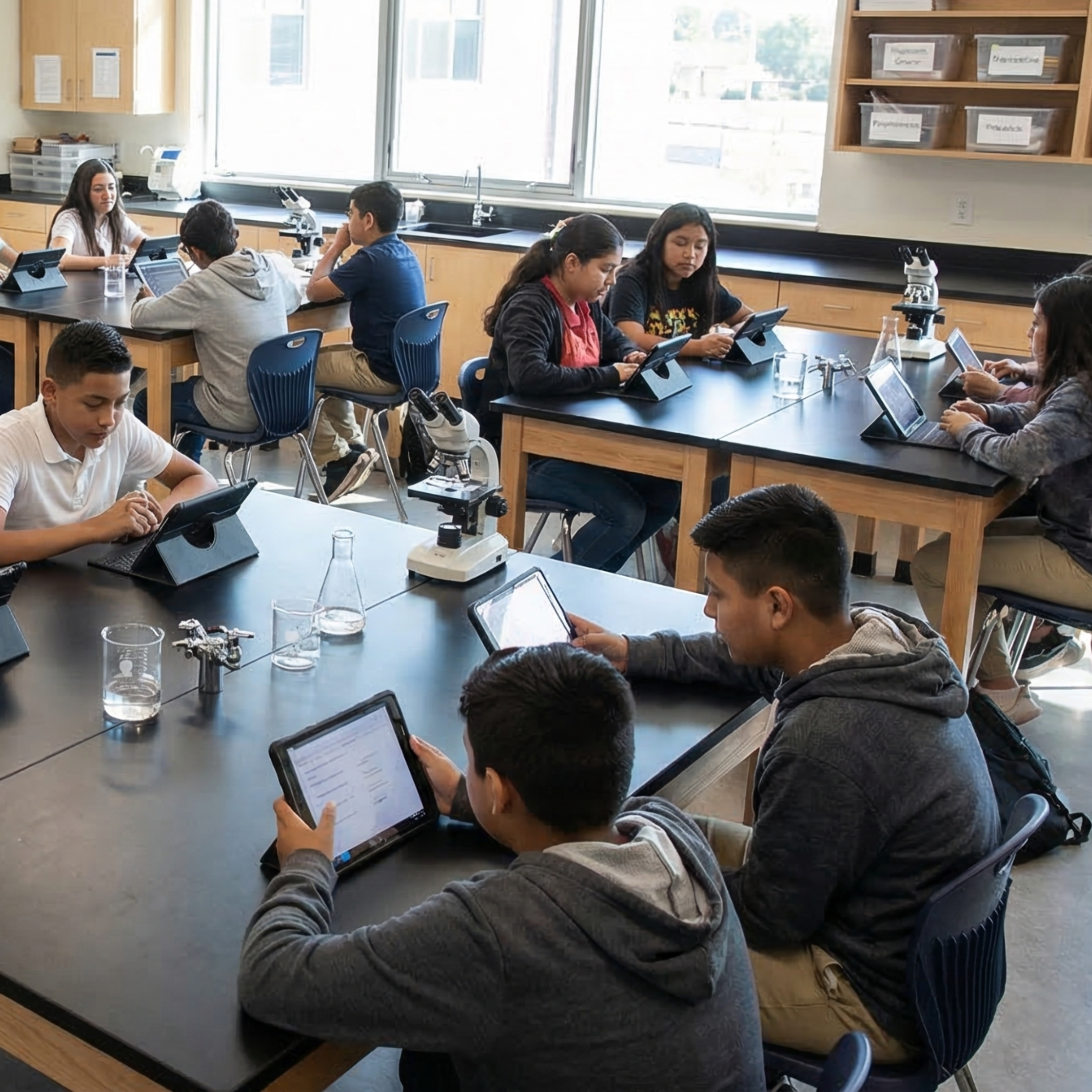
See It in Action
Book a walkthrough and we'll show you how Kesler Science fits your campus.
Book Demo CallNo pressure, no hard sell
"My assistant principal stopped in my room and immediately noticed how the students were engrossed in their centers and how they moved seamlessly from center to center. Also the built-in modifications really impressed!"
"It provides differentiated instruction for all types of learners, allowing them to become more engaged."
"I love it all!! I have become a facilitator in my class and I love the excitement it brings to my class. The kids love all that we do with the Kesler products."