What’s Included in This Circulatory System Lab
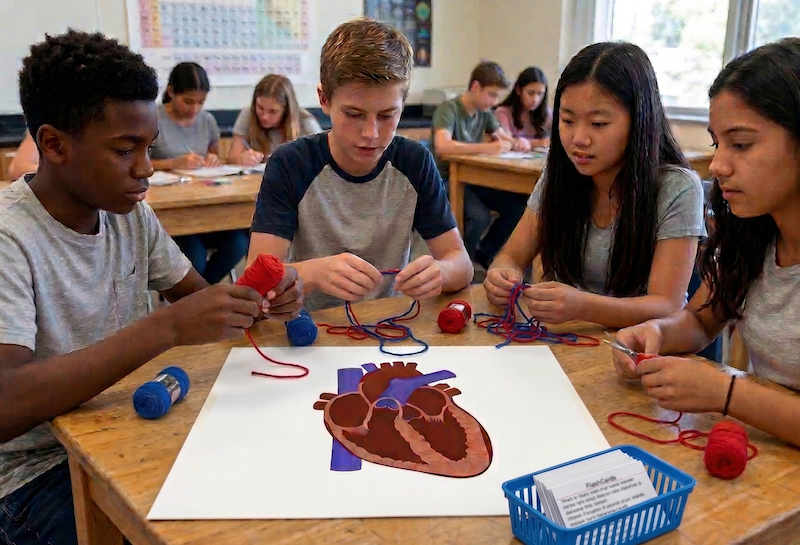
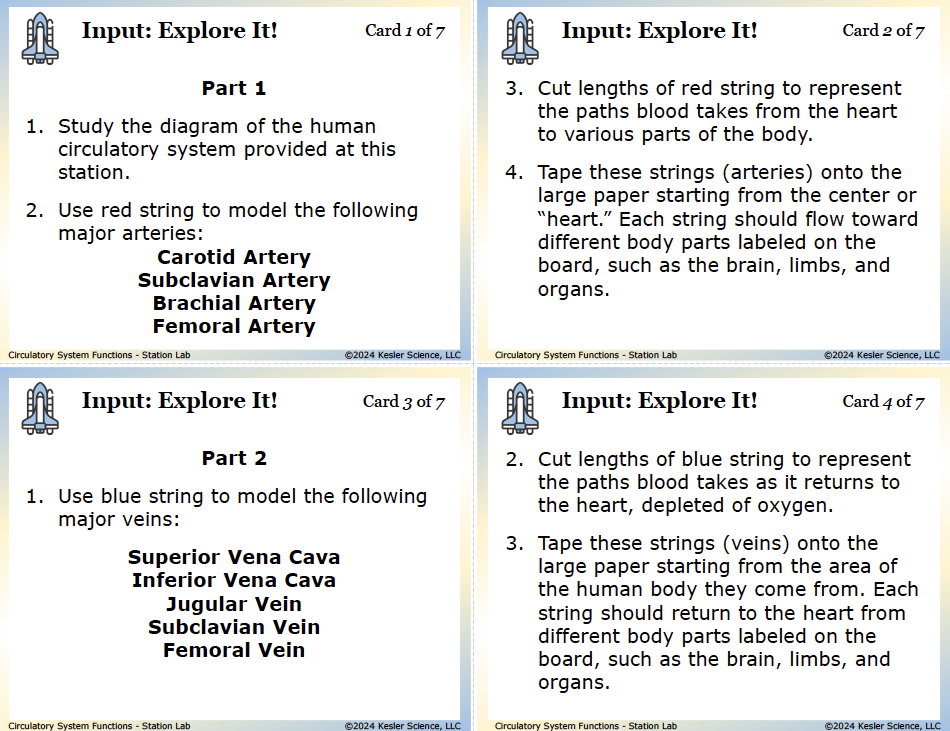
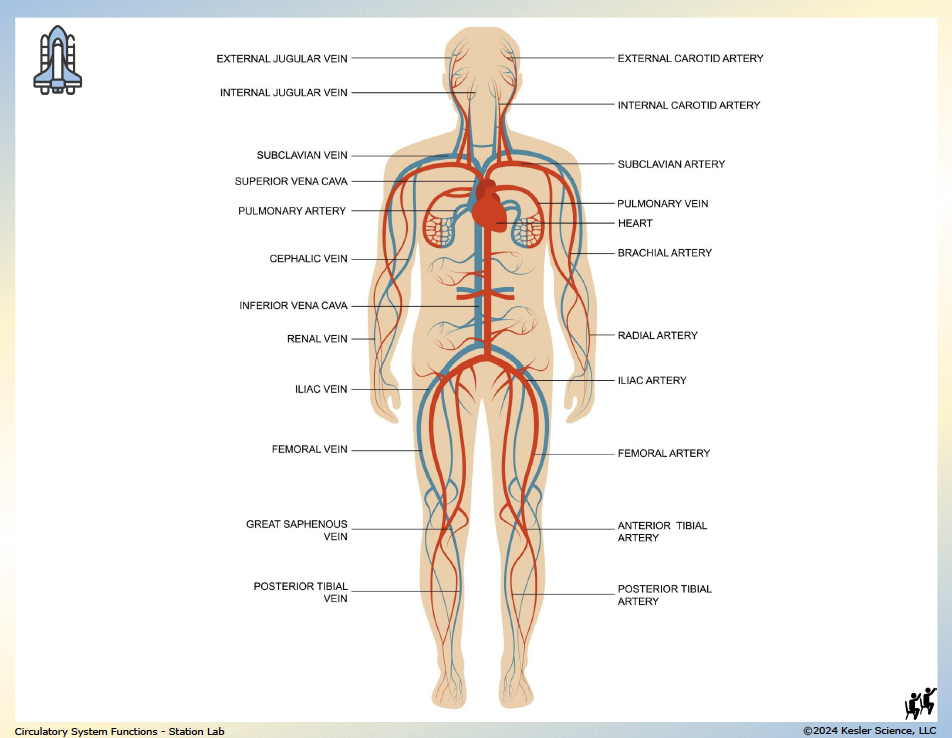
When you download the circulatory system station lab, you get everything you need to run it tomorrow. All the task cards for every station, the reading passage, student answer sheets (print and digital for Google Classroom), and setup instructions. I’ve done all the work for you. Just print, set out the baskets, and let your students take it from there.
Download the Circulatory System Station Lab here.
Want the full unit? The Circulatory System 5E Lesson includes this station lab plus the interactive PowerPoint, INB templates, engagement activities, elaboration projects, and assessments.
Give Your Students a Reason to Remember the Circulatory System
If you’re like me, you’ve taught the circulatory system enough times to know what works and what doesn’t. Lectures and worksheets get you through the content. But station labs get students talking about arteries and veins like they actually care. And when a kid walks out of your room and explains blood flow to their friend in the hallway then you’ve just won the day.
Give it a try. My bet is you’ll be running this one every year.
Frequently Asked Questions
What is the best circulatory system activity for middle school?
A station lab is one of the most effective circulatory system activities because it lets students interact with the content through multiple learning styles in a single class period. Students rotate through hands-on building, video, reading, research, and assessment stations instead of just listening to a lecture or filling out a worksheet.
How long does this circulatory system lab take?
Many classes finish in one 45-minute class period. However, some teachers choose to use the input stations one day and the output stations another day.
What materials do I need for the circulatory system station lab?
Everything printable is included. The only extra supplies you need are red string, blue string, large paper (butcher paper or poster board), tape, and scissors. Most teachers already have these in their classrooms.
Can I use this circulatory system activity with students who have IEPs?
Absolutely. The station format makes modification easy. You can have students complete specific combinations of input and output stations without singling anyone out. A modified reading passage is also included.
Is this circulatory system lab available digitally?
Yes. A digital student answer sheet using Google Forms is included. It’s ready for Google Classroom.
What grade level is this circulatory system activity designed for?
This hands-on activity is designed for middle school science, typically grades 5–8. It aligns with both TEKS and NGSS standards and works well for life science and integrated science courses.
How does this activity fit with the rest of the circulatory system unit?
This station lab covers the Exploration phase of the 5E model. If you want the complete unit including engagement, explanation (PowerPoint and INB), elaboration, and evaluation, check out the full Circulatory System 5E Lesson.
.png?width=375&height=100&name=WebPage%20logo%20with%20curves%202026%20(8).png)